
 Village Connect
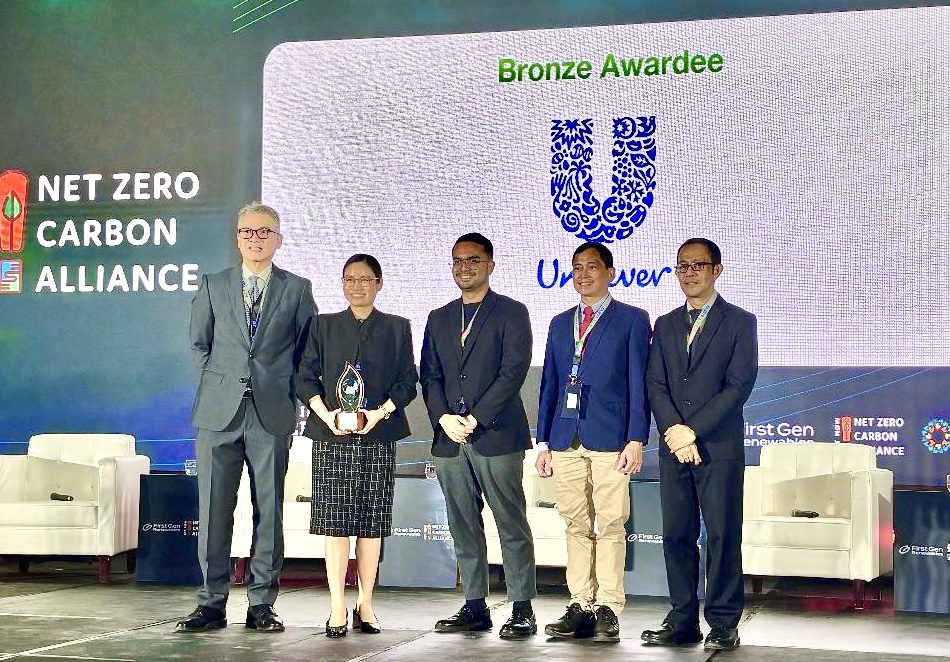
Unilever Philippines is strengthening its climate strategy by combining renewable energy, supply chain collaboration, and cross-sector partnerships as businesses face increasing pressure to turn sustainability commitments into measurable action.
For a country highly exposed to climate-related risks, the transition toward a low-carbon economy requires companies to look beyond their own facilities. Unilever Philippines is taking this approach by integrating decarbonization into its operations while encouraging suppliers and industry partners to participate in the transition.
The company has set a science-based target to cut absolute Scope 1 and 2 greenhouse gas emissions by 100% by 2030 from a 2015 baseline. By the end of 2025, Unilever Philippines had already achieved a 77% reduction.
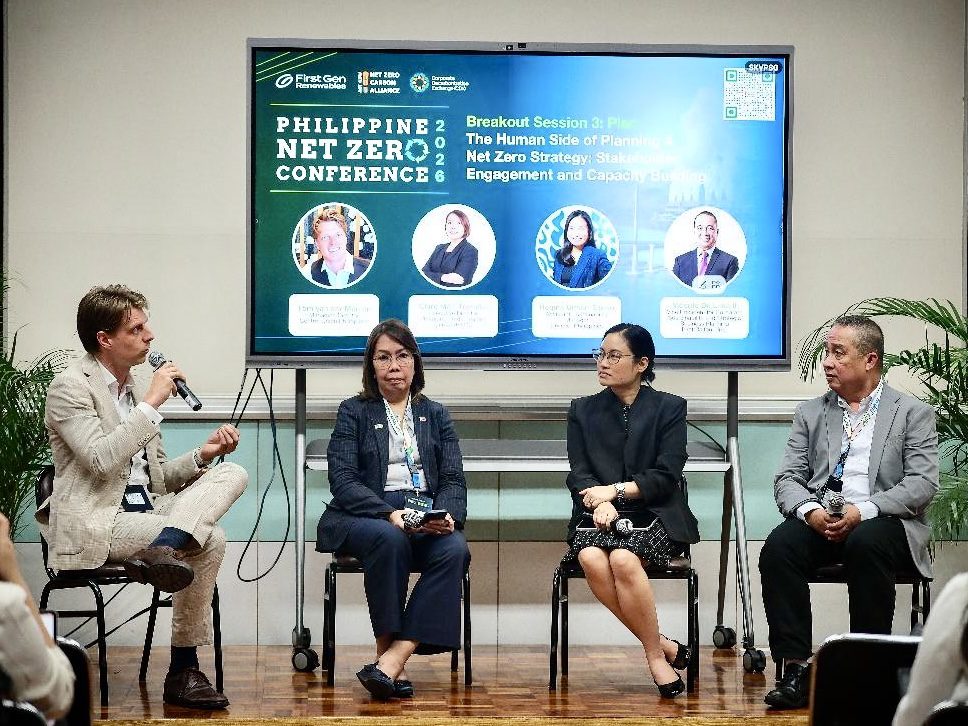
Renewable energy has played a major role in that progress. In 2019, the company shifted to 100% renewable grid electricity using geothermal energy and later installed rooftop solar panels across its facilities. It has also introduced technologies such as heat pumps and boilers to electrify selected thermal processes. Its owned vehicle fleet is targeted to transition to 100% hybrid electric vehicles by 2030.
Beyond its operations, Unilever is addressing emissions throughout its value chain. Through its global Supplier Climate Programme, priority suppliers receive tools and resources to measure, report, and eventually reduce greenhouse gas emissions.
In September 2025, Unilever Philippines also renewed and expanded its partnership with First Gen to provide renewable energy solutions to priority sites and suppliers in Metro Manila, Cavite, Laguna, and Batangas.
The company highlighted this collaborative approach at the Philippine Net Zero Conference 2026 organized by the Net Zero Carbon Alliance, where representatives from business, government, finance, and sustainability sectors discussed ways to accelerate the country’s low-carbon transition.
“Sustainability has to be embedded across the business, with clear ownership and accountability from the functions that can turn strategy into action,” said Regina Unson-Silerio, Sustainability Manager of Unilever Philippines.
During the conference, Unilever Philippines received a Bronze Award at the Net Zero Champions Awarding, recognizing its decarbonization efforts, data transparency and reporting, and alignment with the Alliance’s net-zero framework.
As Unilever Philippines approaches its 100th year in the country in 2027, the company continues to pursue its broader climate ambitions, including its 2039 targets. Through renewable energy, supplier engagement, innovation, and industry cooperation, it aims to demonstrate how sustainability can become an integral part of business growth and long-term resilience.


Loading…