
 Village Connect
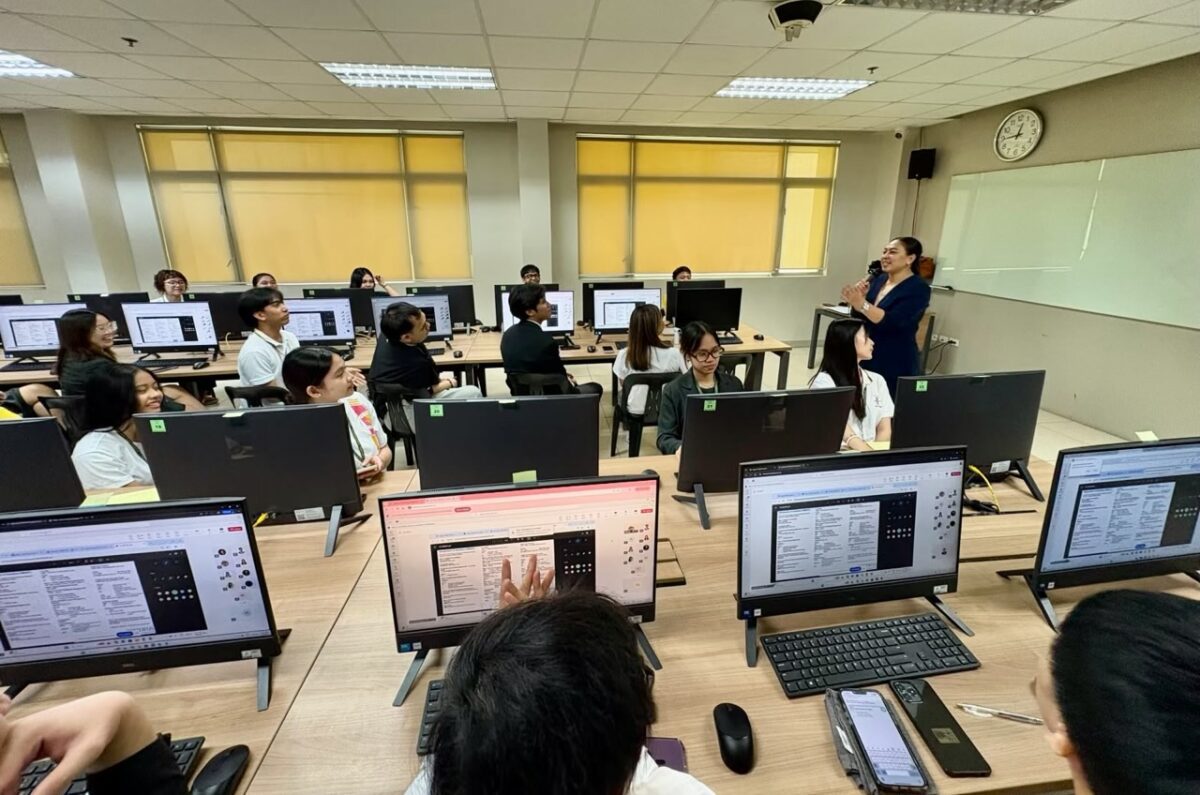
As colleges and universities continue refining hybrid education in the years following the pandemic, a new study from the Far Eastern University (FEU) Public Policy Center suggests that the success of blended learning depends less on technology and more on meaningful relationships between students and teachers.
The findings, published in the discussion paper “More Than a Connection: Attitudes Towards Faculty Interactions and Hybrid Learning,” analyzed responses from 3,318 students across 15 higher education institutions through the 2022 College Experience Survey (CES). The research explored the factors influencing students’ preferences for in-person, online, and hybrid learning environments.
According to the study, students who highly value interaction with their instructors are significantly more likely to prefer spending additional time in face-to-face classes. Researchers found that these students were about 19 times more inclined to favor in-person instruction, highlighting the continuing importance of direct engagement despite advances in digital learning technologies.

FEU Public Policy Center President Michael A. Alba emphasized that hybrid learning has become a permanent feature of higher education, making it essential for institutions to improve their learning models using evidence-based research.
He noted that the College Experience Survey provides valuable insights that can help universities strengthen hybrid education while preserving meaningful faculty-student relationships and maintaining high academic standards.
The study also found that technology alone does not determine how students choose to learn. While reliable internet access and digital literacy remain important, they were not consistent predictors of a preference for online classes. In fact, students with dependable internet connectivity were often more likely to choose additional days of campus-based learning.
These findings suggest that while digital tools have expanded educational access, they cannot fully replace the value students place on classroom discussions, mentorship, and personal interaction with faculty members. For freshmen, in particular, face-to-face engagement plays an important role in helping them adjust to college life and build stronger academic connections.
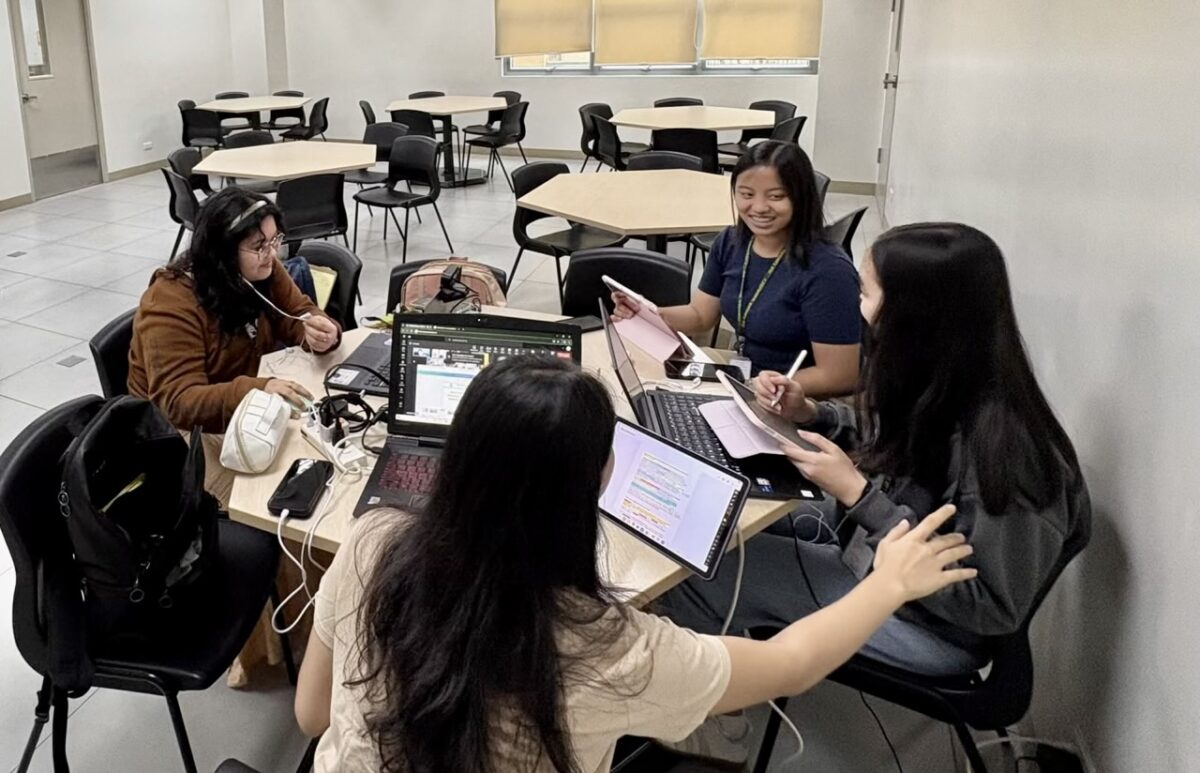
The discussion comes as universities continue investing in advanced learning technologies. FEU Tech, for example, recently partnered with OpenAI to provide students and faculty access to ChatGPT Edu and Codex. However, the study indicates that these technologies are most effective when they support—not replace—the interaction between teachers and learners.
Researchers also observed that students continue to consider health and psychological well-being when choosing learning environments. Although campuses have largely returned to normal operations, students who expressed greater concern about COVID-19 remained less likely to prefer spending more time on campus, indicating that personal well-being continues to influence educational decisions.
The FEU Public Policy Center concludes that universities should look beyond investments in digital infrastructure when developing future hybrid learning models. Instead, institutions are encouraged to create educational approaches that place faculty-student engagement at the center while using technology as a tool to enhance, rather than substitute, meaningful learning experiences.
Since 2014, the FEU Public Policy Center has conducted the annual College Experience Survey to better understand the experiences of Filipino college students and produce research that supports evidence-based improvements in Philippine higher education.



Loading…