
 Village Connect
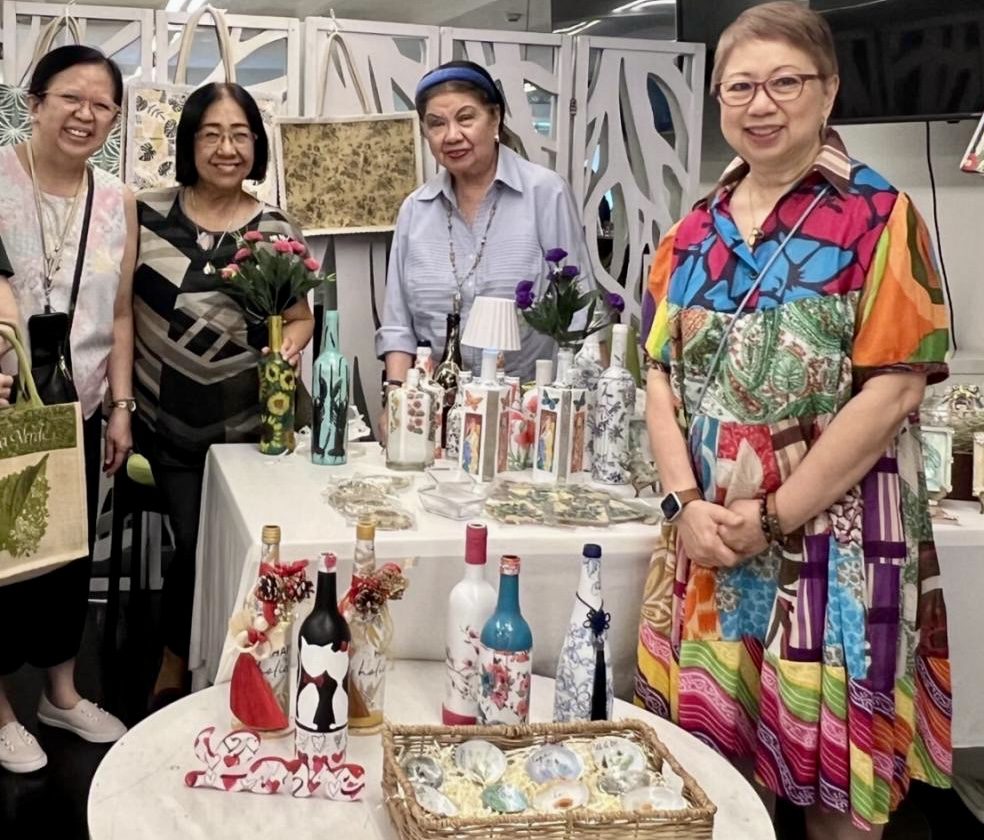
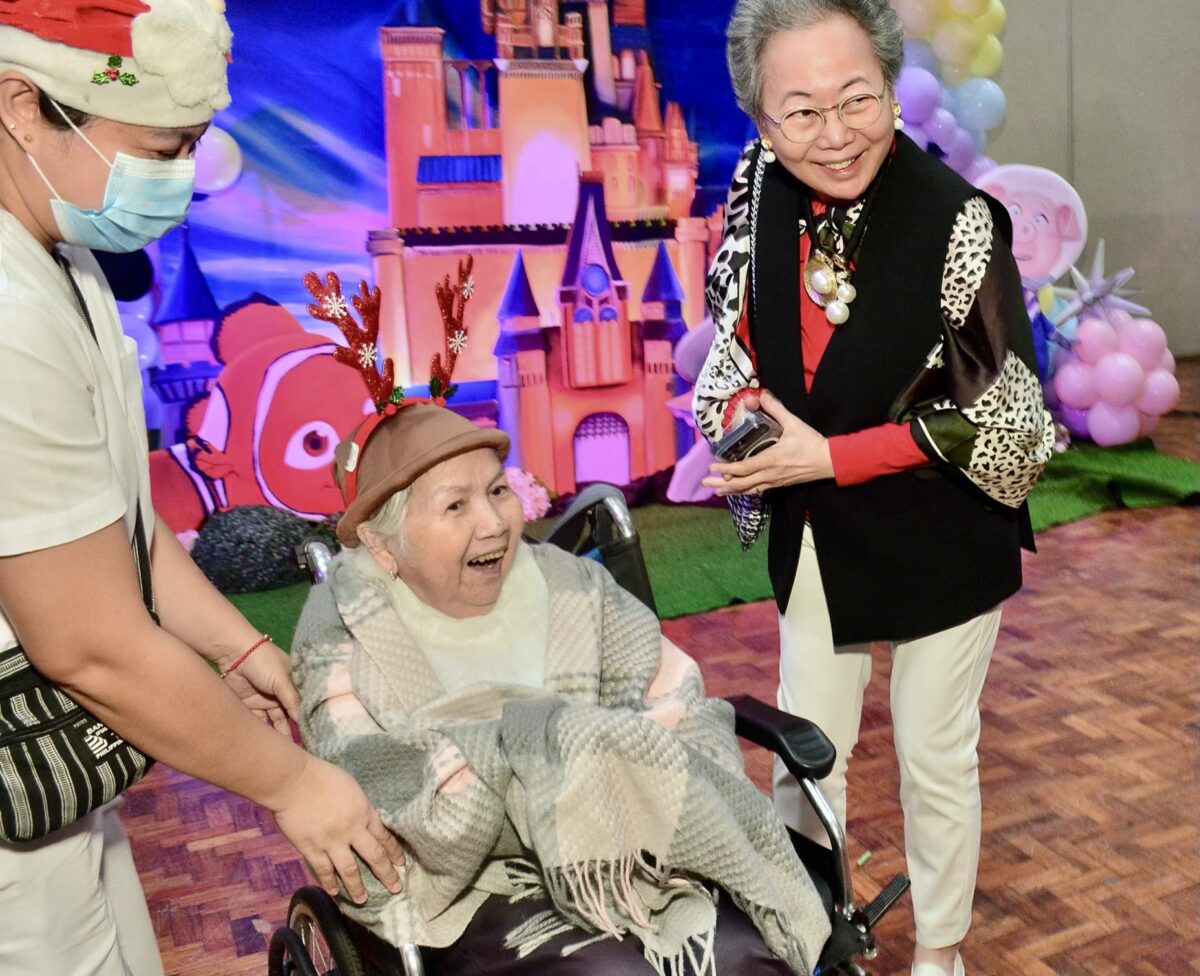
Late one Saturday afternoon, the parish hall of Sanctuario de San Antonio slowly filled with wheelchairs, walking canes, soft laughter, and bright balloons. It was the annual Sunshine Place Christmas Party—a scene that looked gentle, festive, and quietly powerful.
My wife Jasmin and I took our seats among seniors who arrived at their own pace. Some needed help, others leaned on walkers, many had already settled when the music began. For a moment, I felt as if we were looking ahead—at a version of ourselves where movement requires planning and independence looks different.
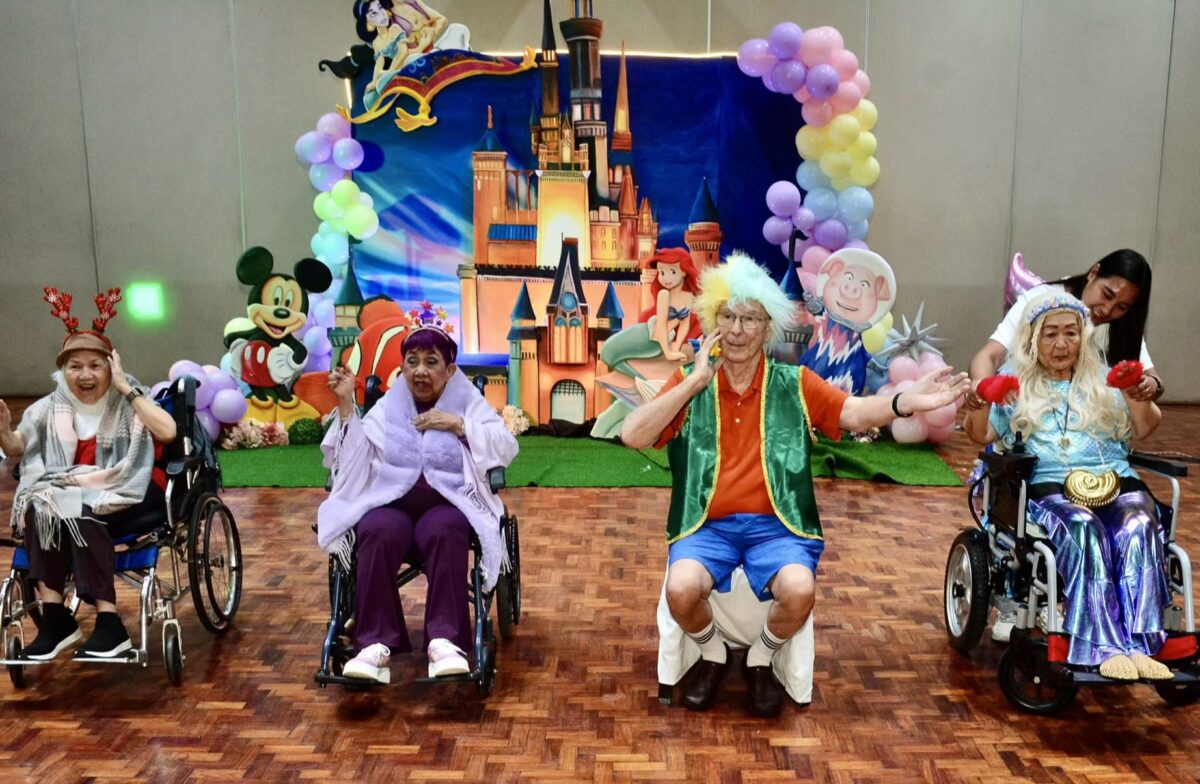 Super Seniors performing the Chair Dance within their age.
But what unfolded was not a preview of decline. It was a portrait of life, still in motion.
Sunshine Place Senior Recreation Center, created by the Felicidad Tan Sy Foundation, was built on a simple but brave idea: that life after retirement still deserves joy, purpose, and dignity. Long before “active aging” became a popular phrase, this place had already been practicing it—through dance, music, learning, and companionship.
Before the program started, Sunshine Place president Lizanne Uychaco walked from table to table, greeting every senior by name. She spoke of the center not as a project, but as a home—one where people remain happy, active, and seen.
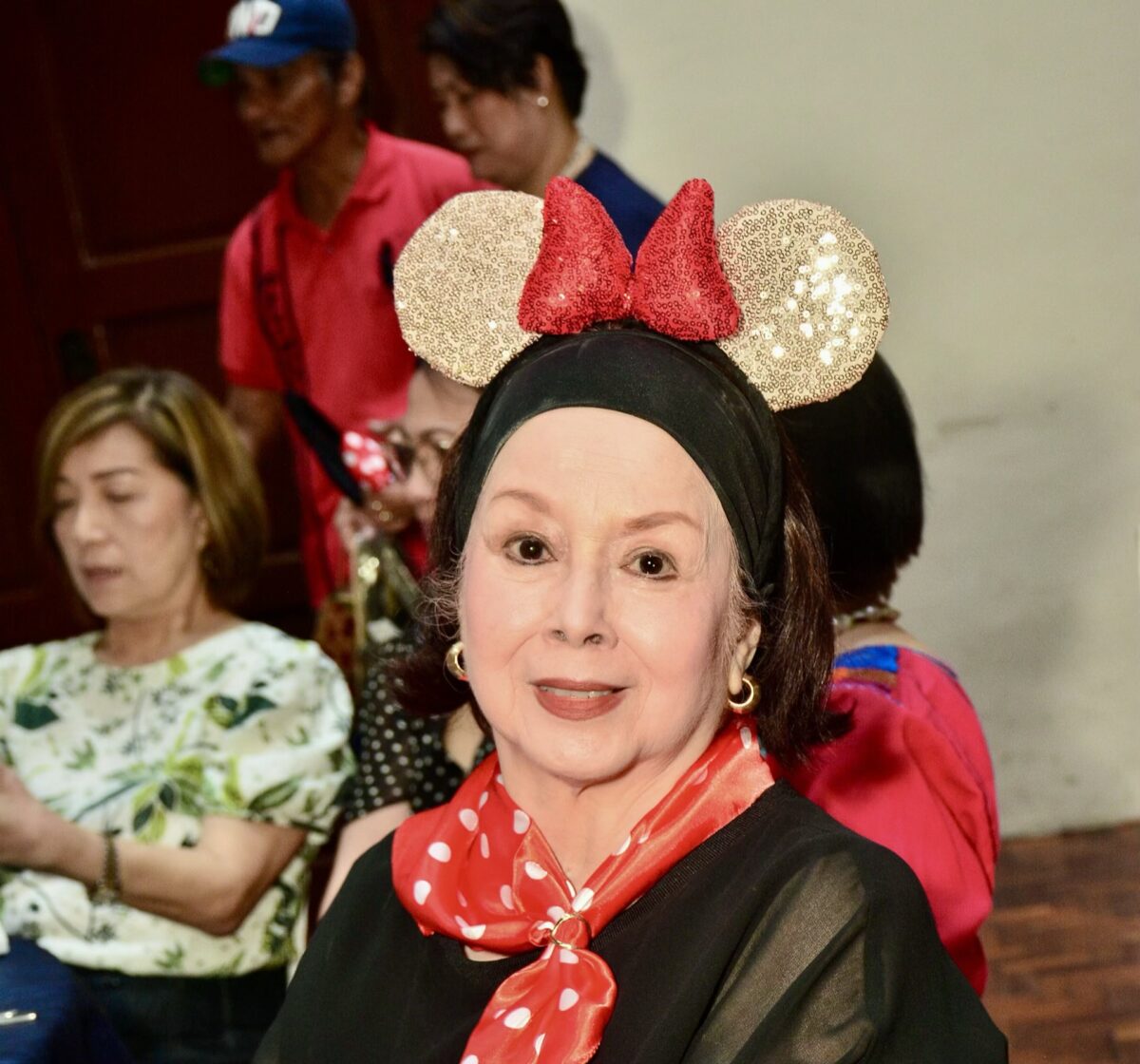
Then the performances began.
There were dance numbers—some lively, some slow—carefully adjusted to aging bodies. Games followed: balloons passed, small challenges laughed through, mistakes treated with humor instead of shame. Even Disney villains appeared, once symbols of fear and loss of control. But in that room, they felt harmless. Surrounded by seniors who were still singing, clapping, and smiling, the idea of being “past your time” simply didn’t exist.
The most moving part came with the Super Seniors Chair Dance. Those who could not stand danced while seated, guided by caregivers beside them. Arms lifted, hands waved, feet tapped when they could. Wheelchairs became part of the routine. Limitations were not hidden—they were included.
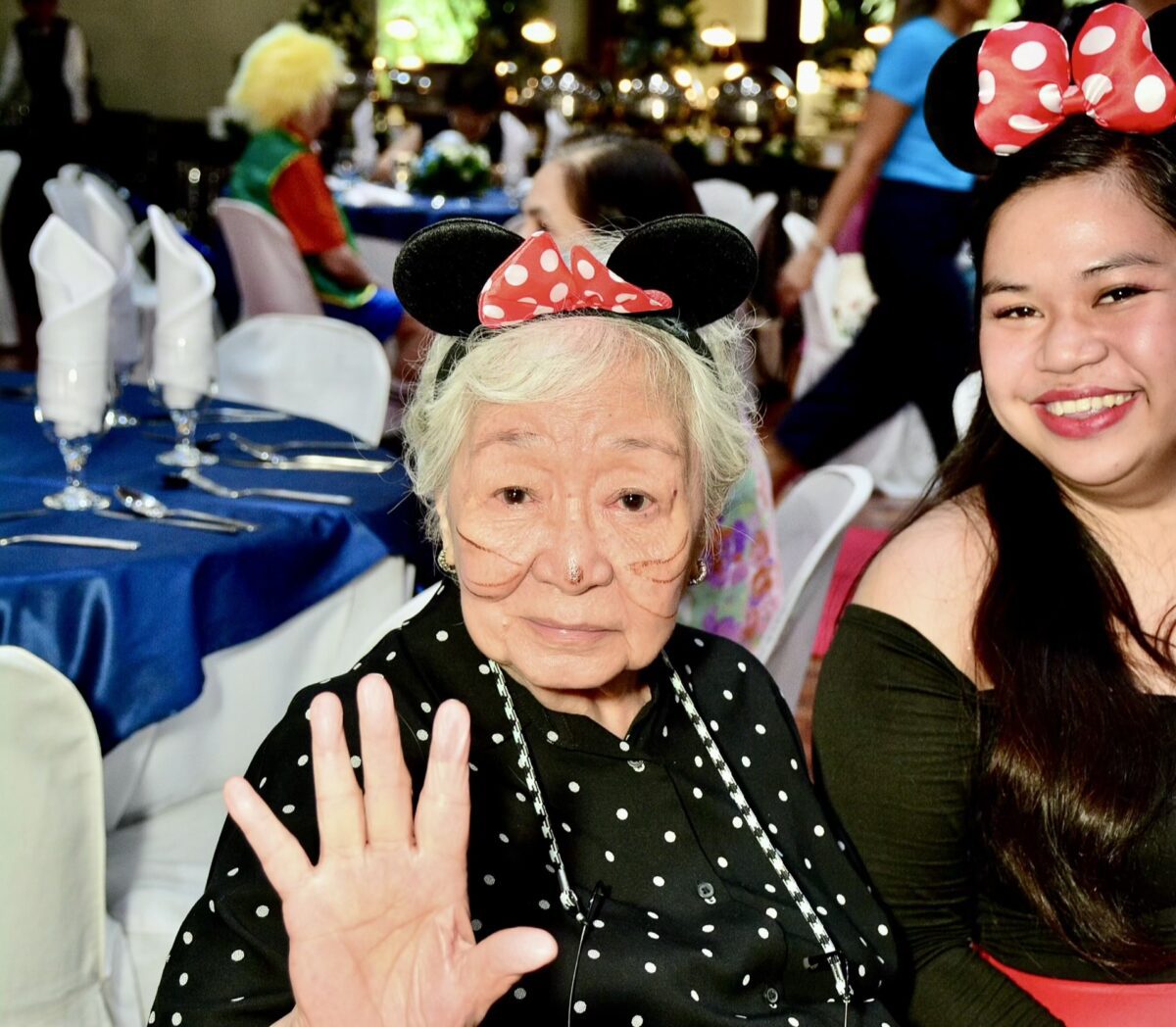
This was not dancing in spite of age. It was dancing within it.
What stood out was not how strong the seniors were, but how well the space had been designed for them. Caregivers didn’t command—they accompanied. Movements weren’t forced—they were translated. Dignity was part of the structure.
Later, songs about dreams and discovery filled the hall. Seniors sang softly along, eyes closed, as if storing the moment. Gifts were exchanged slowly, without rush, without comparison—just a quiet reminder: you still belong.
Jasmin and I looked at each other, realizing we had just seen a version of our future—not one of loss, but of possibility.
Aging, we learned that day, is not about stopping.
It is about learning new ways to keep moving—together.



Loading…