
 Village Connect
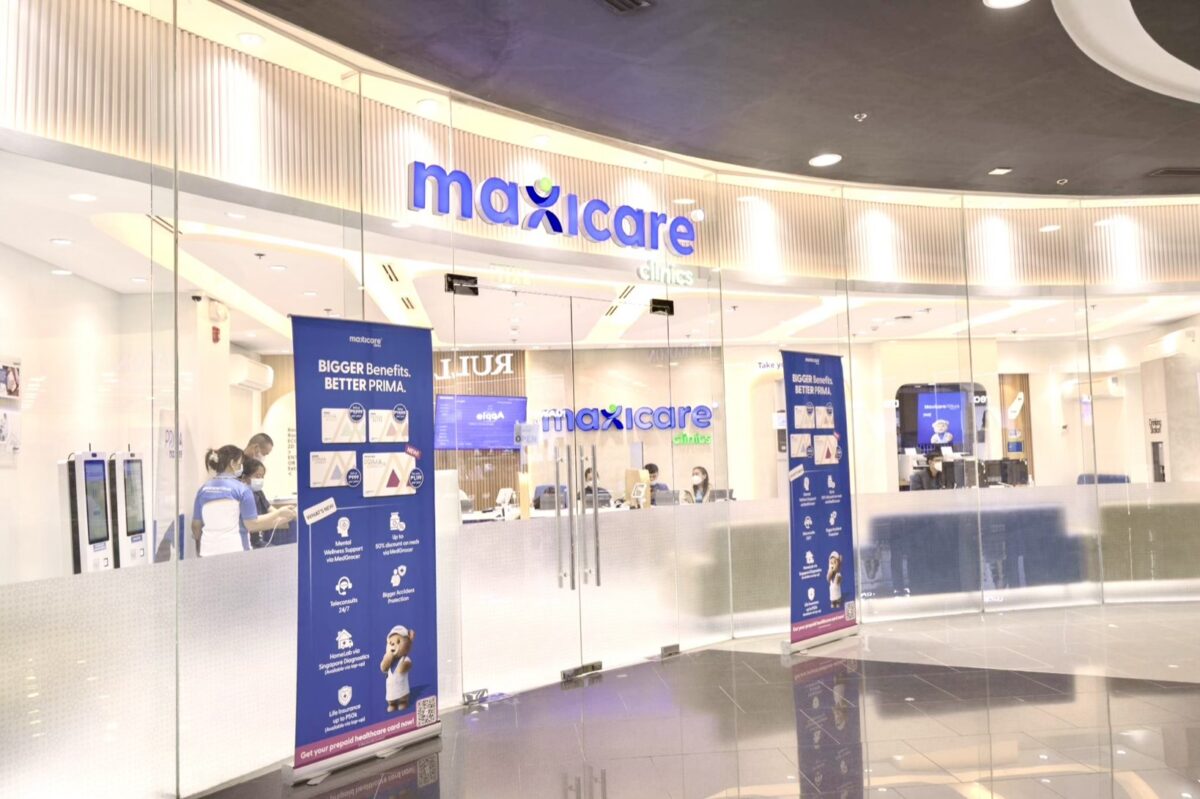
For many Filipinos, getting medical attention involves more than the cost of a consultation. Travel time, long queues, missed working hours, and the need to visit different facilities for tests and consultations can make even routine healthcare difficult to manage.
As these challenges continue, healthcare providers are exploring clinic-based models that bring multiple medical services closer to communities. Maxicare Clinics is among those expanding this approach, offering walk-in access to consultations, laboratory procedures, diagnostic examinations, and preventive healthcare services.
The network currently has 51 clinics nationwide, serving patients of different ages, including individuals with pre-existing conditions and special needs. Services vary by location, with selected clinics providing laboratory tests, ultrasound procedures, specialist consultations, therapy rooms, and other diagnostic services.
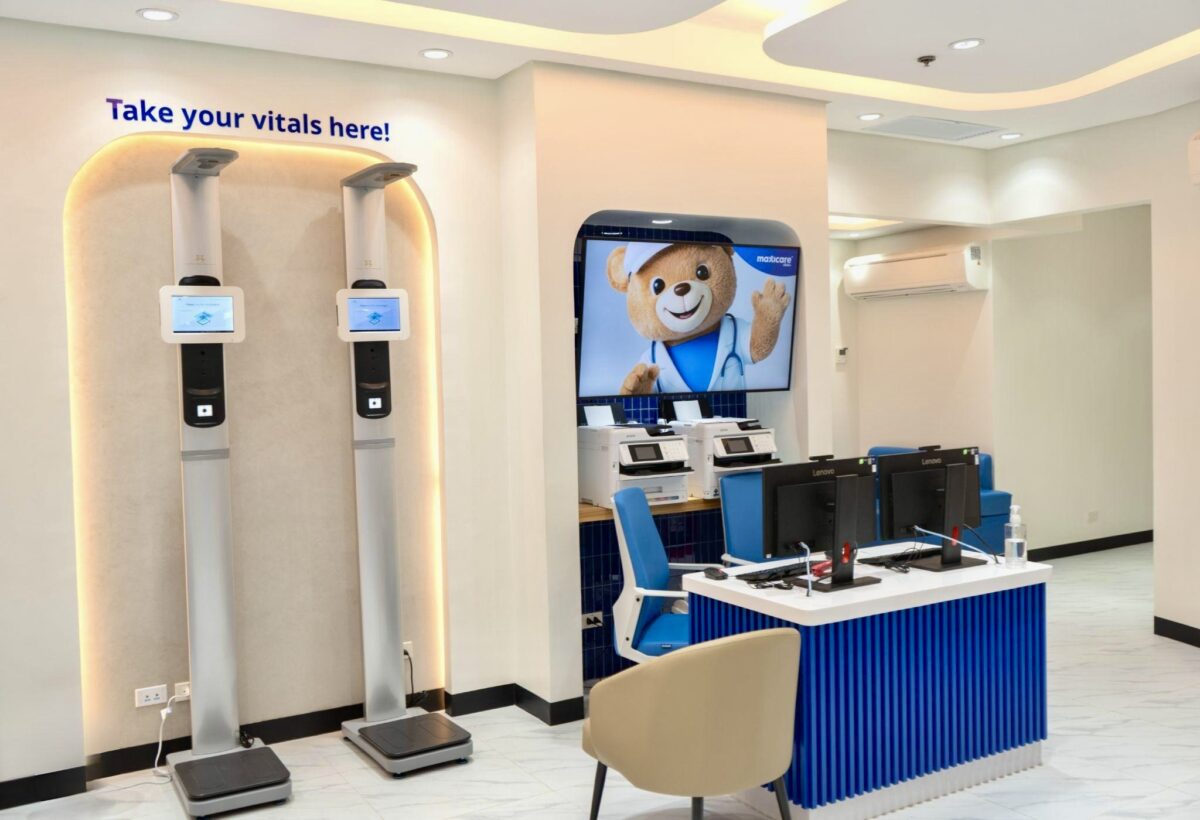
Accessibility also extends to the design of the facilities. Spacious hallways are intended to accommodate wheelchairs and large strollers, while digital signs help guide patients through different stages of their visit.
According to Maxicare Group Chief Customer Officer Raymond Hernandez, the clinics were designed to make healthcare easier to navigate, particularly for patients who may require additional assistance.
“Maxicare Clinics are designed to change how our countrymen experience healthcare, including those with special needs,” Hernandez said.
Bringing several services under one roof can also reduce the need for patients to travel between hospitals, laboratories, and separate medical facilities—a consideration that can be particularly important for employees, parents, senior citizens, and daily-wage earners.
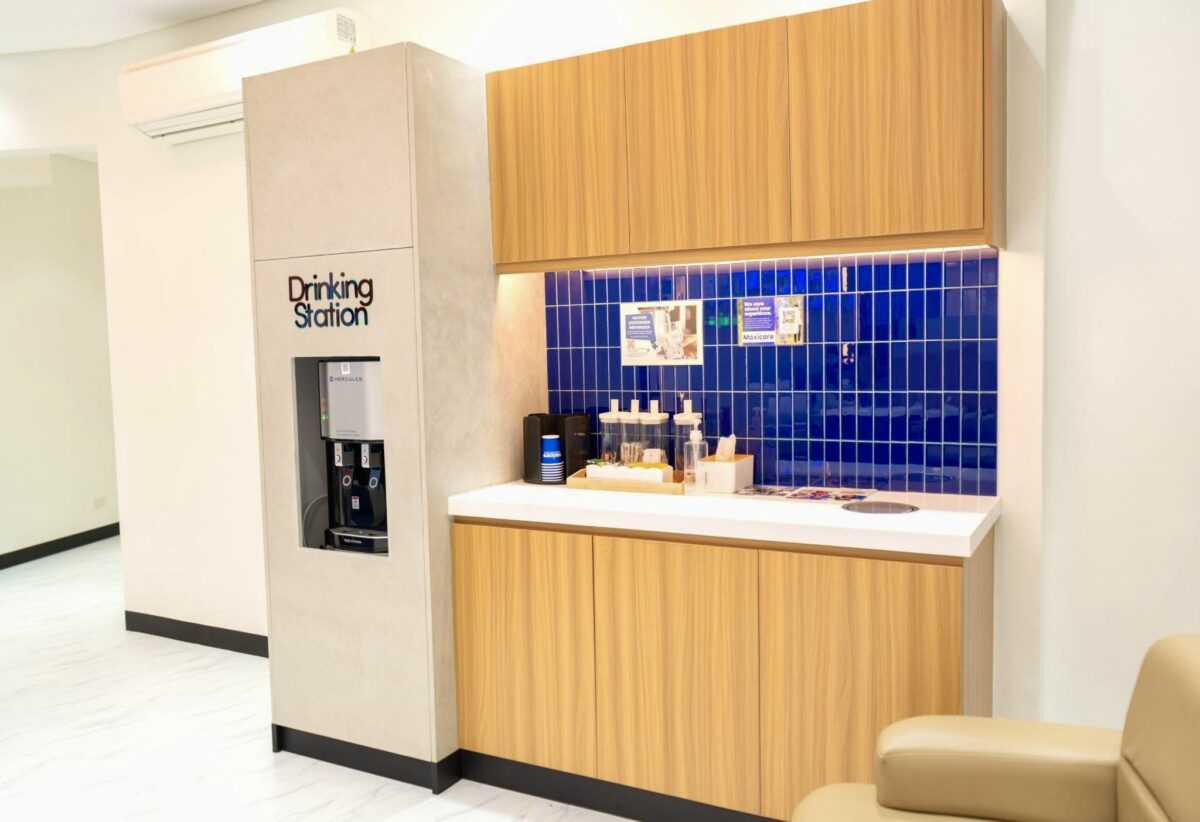
Maxicare says it plans to continue opening clinics in more communities as demand for convenient healthcare options grows.
The expansion reflects a broader shift in how healthcare can be delivered: bringing routine and preventive services closer to where people live and work.
For Filipino families managing increasingly busy schedules and household expenses, easier access to basic healthcare could help make regular consultations and preventive care a more practical part of everyday life.

Loading…