
 Village Connect
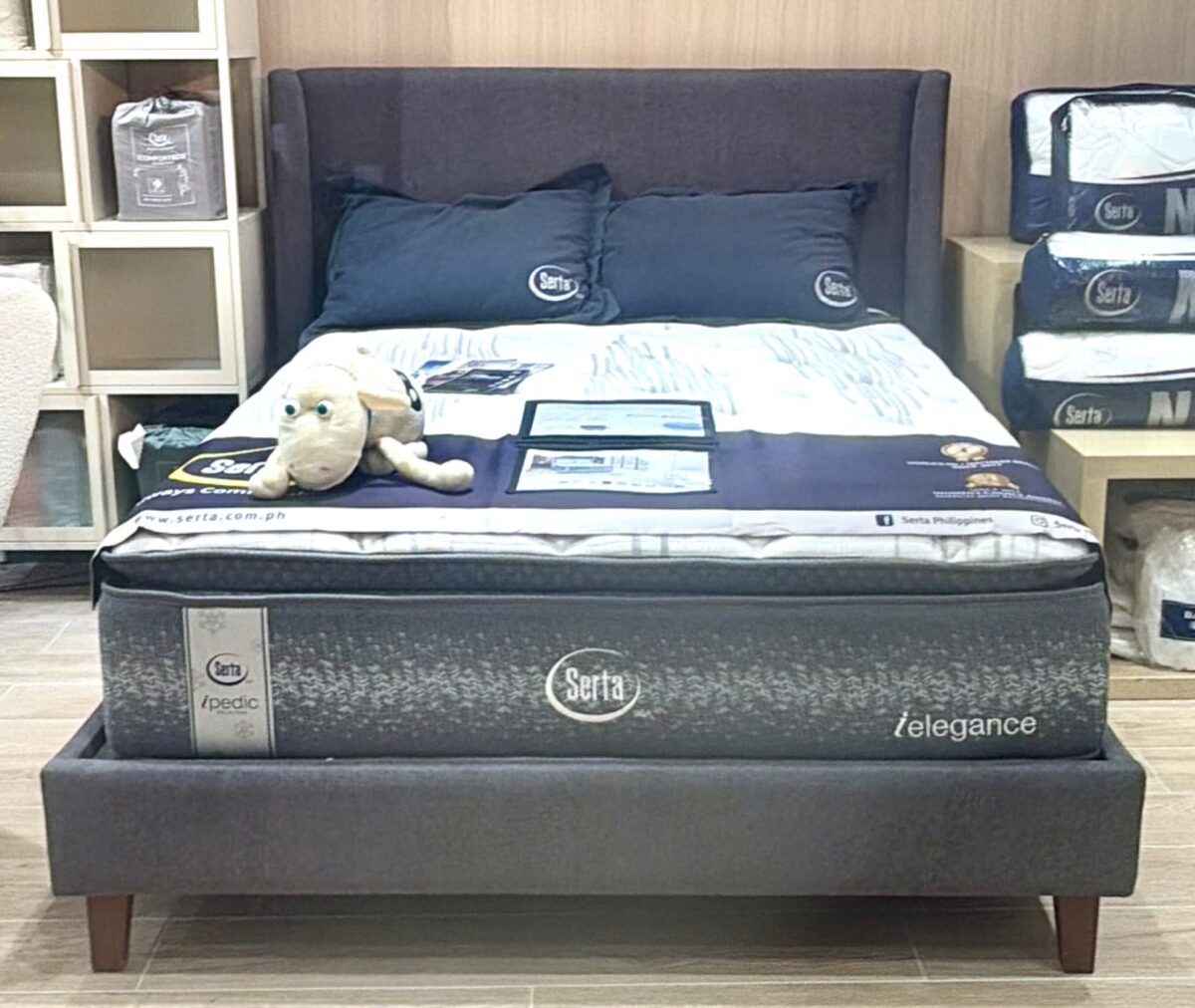
Getting a good night’s sleep is not simply about spending eight hours in bed. From spinal alignment and mattress support to room temperature, exercise and screen habits, several factors can determine whether the body wakes up truly rested and ready for the day.
These elements of healthy sleep took center stage at “The Sleep Prescription: Reset Your Rest with Serta Mattressess,” held on September 25, 2026, at the 5th Level of SM Home Makati.
Dedicated to elevating everyday wellness routines, the event combined an insightful discussion with sleep medicine expert Dra. Abbey Zaraspe, M.D., a hands-on experience with luxury Serta mattresses, and an opportunity for guests and sleep enthusiasts to exchange experiences and learn practical ways of improving their nightly rest.
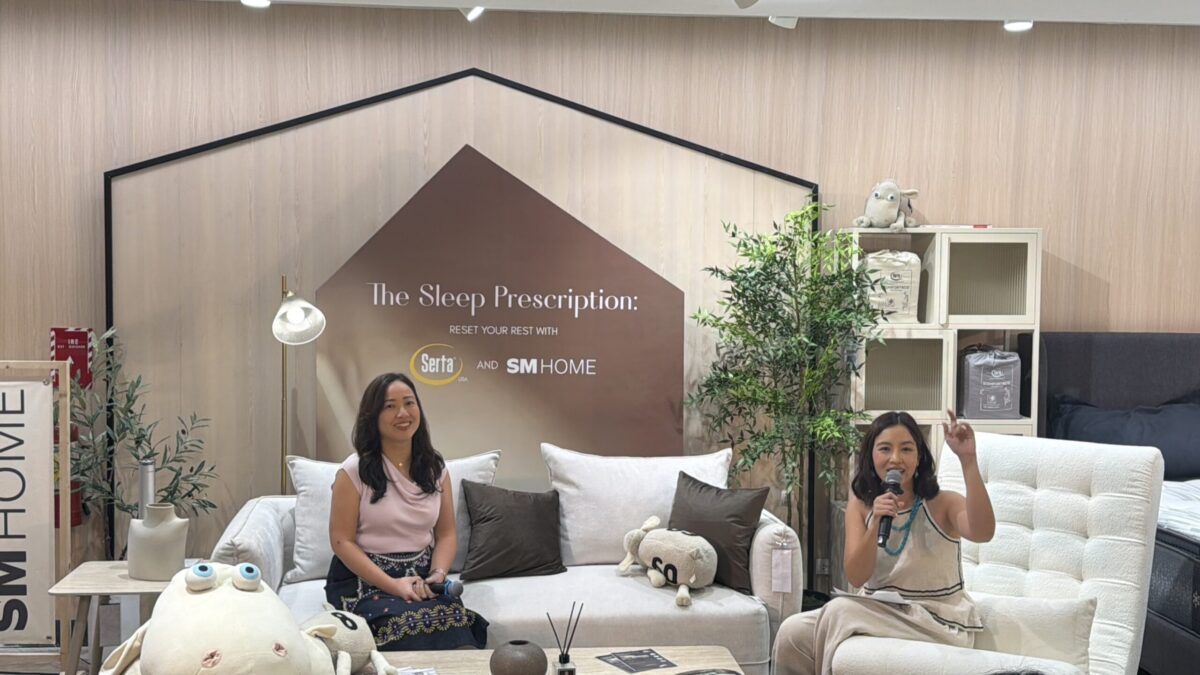
Supporting the Spine While Sleeping
One of the central topics was spinal alignment. According to Dra. Zaraspe, the sleeping environment should provide enough support to help maintain the natural curves of the body.
“The bed should mimic the natural curvature of the spine for better sleep,” she explained.
For back sleepers, she recommended using a low pillow behind the head and another pillow underneath the knees. The arrangement can help support the natural position of the spine.
Pillow selection matters as well. Pillows that are excessively high, hard or soft may leave some sleepers waking with neck stiffness or muscle strain.
“Mattress and pillow choice is also important for us to get better sleep,” Zaraspe said.
For side sleepers, she suggested placing a pillow between the legs to support alignment and reduce strain. A person who habitually sleeps on one side may also consider alternating sides when comfortable.
When it comes to mattresses, Zaraspe said a medium-firm option may work for many people, although individual needs differ. Modern materials, including memory foam and contouring technologies, can provide different levels of support depending on body shape and sleeping position.
Bringing Hotel-Inspired Comfort Home

(L-R) Kristine Velasco, Sales Manager, Serta Philippines Inc., highlighted Serta’s approach to combining support with a more luxurious sleeping experience together with Dra. Abbey Zaraspe, M.D., Ruffa Gutierrez, Ada Arida and Jameson Blake.
“What makes it special is bringing five-star hotel comfort into your home, right into your bedroom,” Kritine said.
She discussed Serta’s Perfect Spine Support technology, which is designed to contour to the body and provide support for different sleeping positions. She also highlighted breathable materials intended to help manage heat and moisture—particularly relevant in a tropical climate such as the Philippines.
Complementing the mattress experience are pillows and linens, including products incorporating materials such as bamboo, creating a bedroom environment centered on comfort and rest.
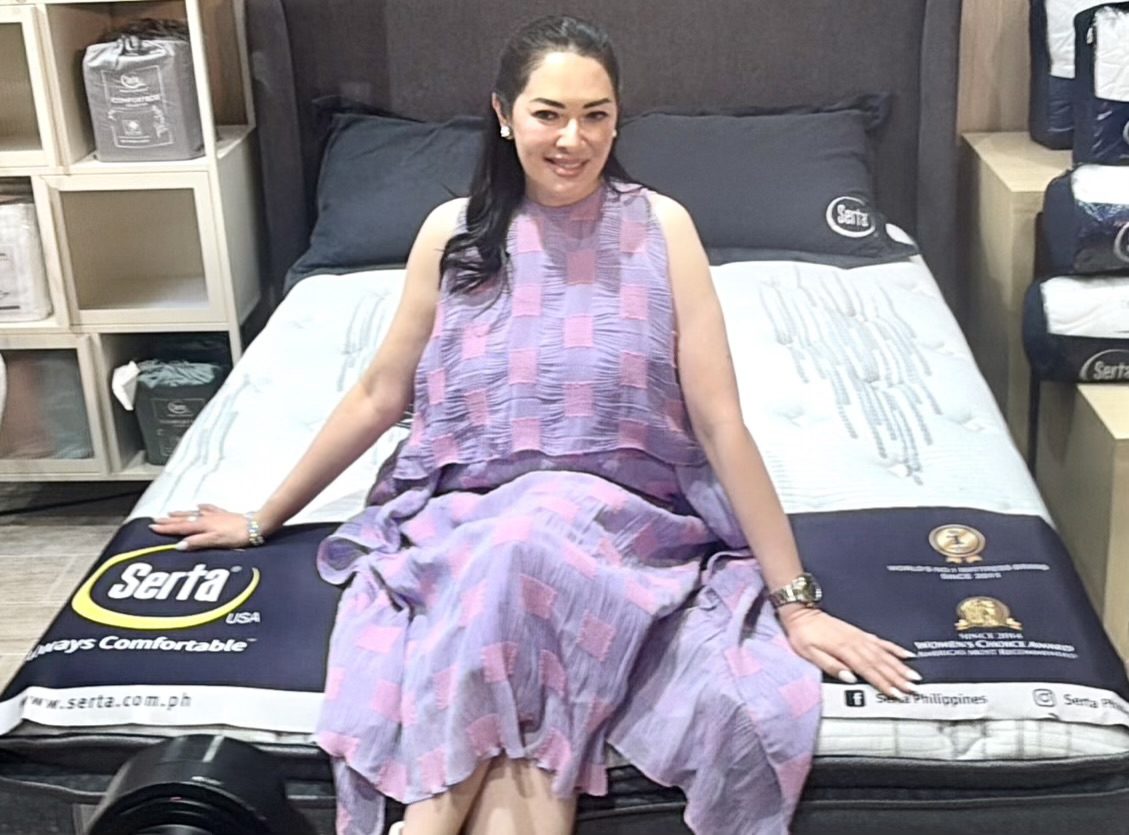
Ruffa Gutierrez Asks: When Should Mattresses Be Replaced?
Ms. Ruffa Gutierrez, Ms. World Philippines, raised a relatable question during the discussion: when is it finally time to replace an old mattress?
“I’ve had a mattress that an ex gave me, and it’s been 10 years. Do I throw it out? Do I change it for a new mattress?” Gutierrez asked.
Dra. Zaraspe explained that there is no single replacement schedule suitable for everyone. The mattress itself can provide clues. “If it feels super soft already, not as firm as you initially had it, then I think it’s time to change it,” she said.
Gutierrez also shared that she has scoliosis and asked about appropriate mattress support. Zaraspe discussed firmer support and memory foam as possible considerations, while specific spinal conditions may require individualized medical advice.
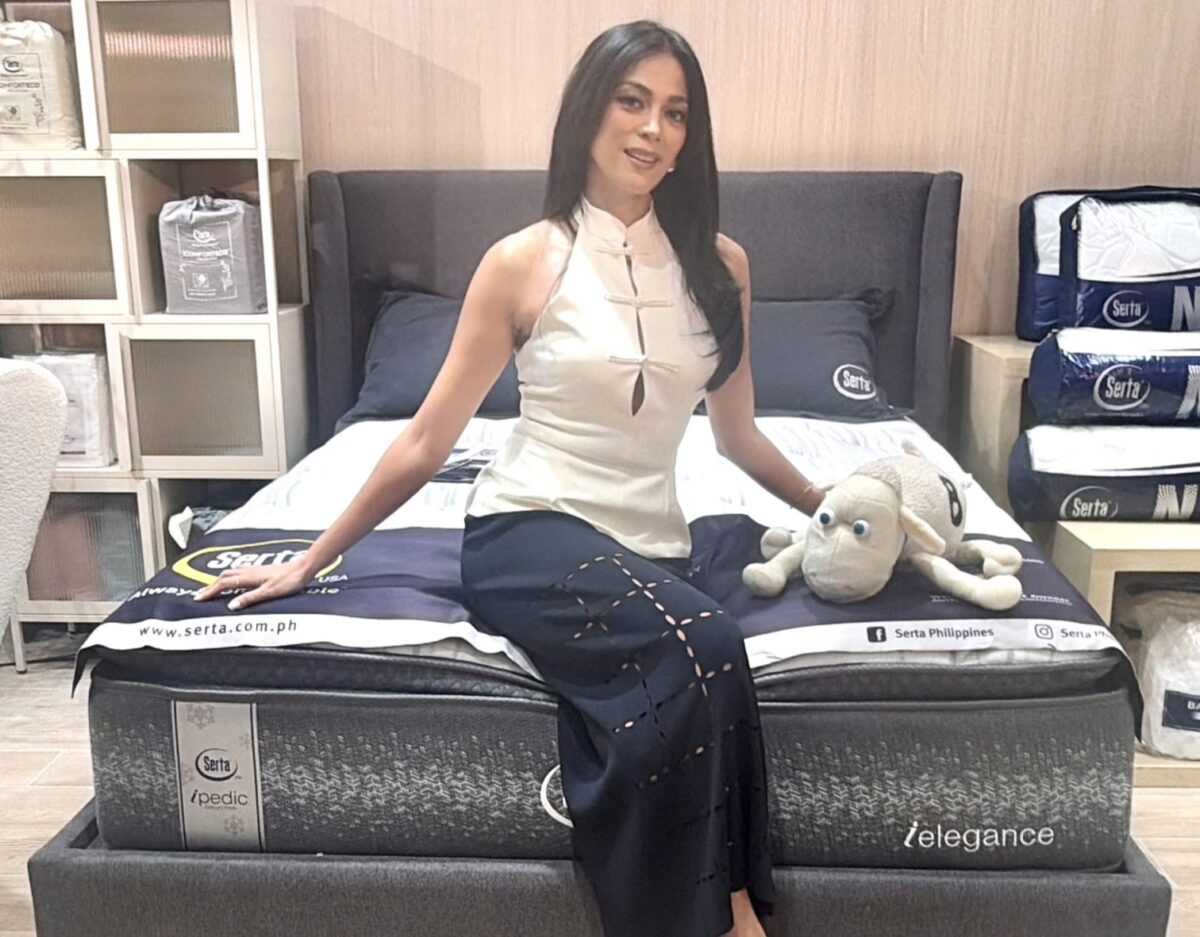
Ara Arida Talks About Side Sleeping
For Ms. Ara Arida, Miss Universe Philippines, the conversation connected sleep with her active lifestyle. As a pickleball player and side sleeper, Arida shared that she occasionally experiences discomfort involving her neck, shoulder and right arm.
“There are times when I wake up and I have neck pain, sometimes even at the back of my head,” Arida said. “I think it may also be connected with the kind of mattress that I’m using.”
Zaraspe encouraged Arida to consider not only her mattress but also her pillow and sleeping position. A pillow between the legs can provide additional support for side sleepers, while repeatedly sleeping on the same shoulder may contribute to discomfort.
“If you sleep for a long time on that side, later on you’ll have problems with your shoulders,” Zaraspe said.

Jameson Blake Wants Longer, Restorative Sleep
Actor and model Jameson Blake brought another common sleep concern into the conversation. Although he described his sleep as restful, he said he sometimes gets only around five hours.
“I notice I sleep okay and I sleep restfully, but I don’t sleep long enough sometimes,” Blake said. “Since I work out and I also run, I feel like I need more time for recovery.”
Zaraspe noted that five hours may be too short for many adults. She encouraged maintaining consistent sleep and waking schedules and avoiding strenuous workouts too close to bedtime.
Caffeine late in the day may also make it more difficult for some people to settle into sleep.
Creating a Bedroom for Better Rest
Technology is another consideration. Zaraspe advised reducing exposure to televisions, mobile phones, laptops and tablets before bedtime.
“We have to give our body the signal that it’s sleeping time already,” she said.
She also recommended keeping the bedroom comfortable and cool and, whenever possible, avoiding turning the sleeping space into an extension of the office. Creating that separation can help associate the bedroom with relaxation rather than work and stress.
And while eight hours has become the familiar benchmark, Zaraspe emphasized that sleep requirements are not identical for everyone.
“We don’t need exactly eight hours,” she explained. “For the general population, the recommendation is about seven to nine hours, but it depends on your body.”
The Sleep Prescription: Reset Your Rest with Serta reinforced a simple wellness message: quality sleep is influenced by the entire sleep environment.
A supportive mattress can be one component, but sleeping position, pillows, bedroom conditions, consistent schedules and healthy nighttime habits all matter. For people experiencing persistent pain, excessive daytime tiredness or continuing sleep difficulties, consulting a qualified healthcare professional remains important.
Ultimately, improving sleep does not begin only when the lights go out. It begins with creating the right environment—and adopting habits that give the body the opportunity to properly rest, recover and reset.



Loading…