
 Village Connect
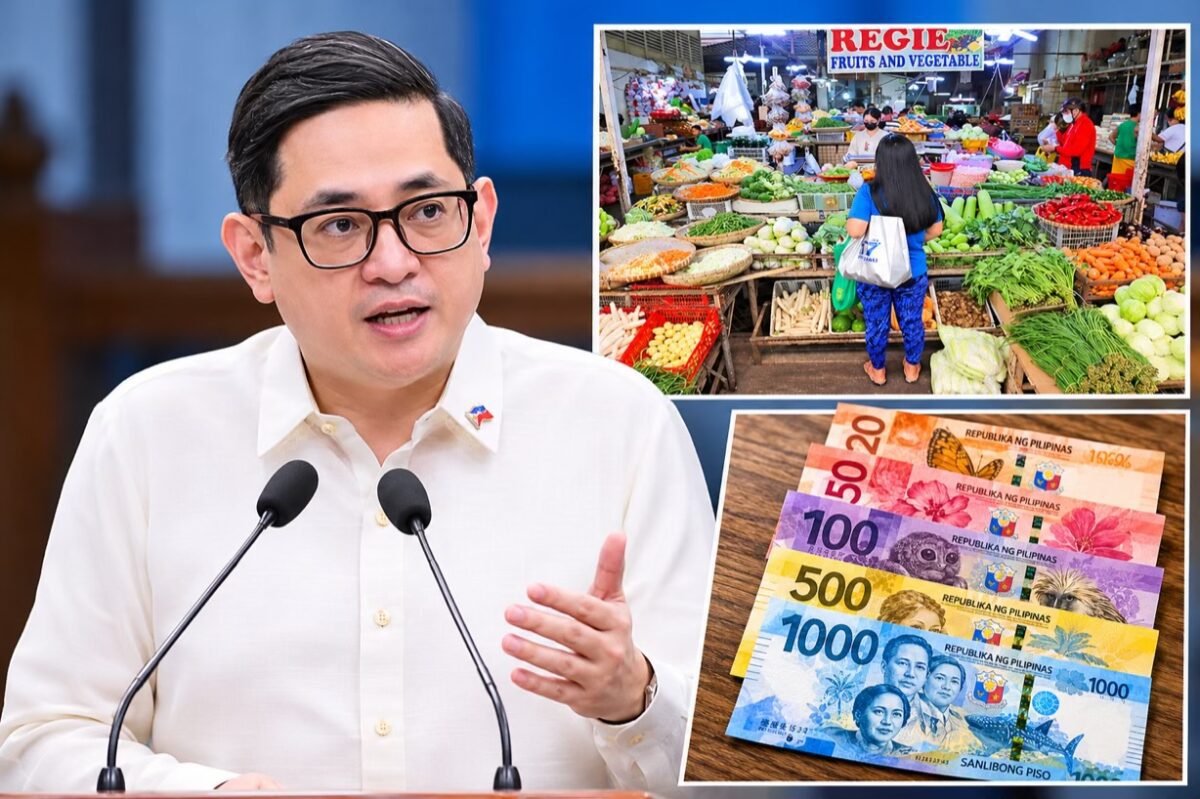
Aquino renewed his appeal for the passage of Senate Bill No. 267, which seeks to increase the annual personal income tax exemption threshold to ₱480,000, equivalent to ₱40,000 in monthly earnings.
The proposal comes as consumers face mounting financial pressure from higher food prices, transportation expenses, electricity bills, and other everyday necessities.
Citing an October inflation rate of 7.8 percent and the peso’s depreciation to ₱63.535 against the US dollar, Aquino emphasized the importance of protecting the purchasing power of Filipino households.
For many working families, the challenge is no longer simply earning enough money but ensuring that their income can still cover essential expenses.
Aquino explained that the proposed ₱40,000 monthly threshold reflects an estimated living wage for a family of four or five, providing a benchmark for the financial support that households need.
He stressed that families are increasingly finding themselves purchasing fewer groceries despite spending the same amount of money.
Under the proposed measure, eligible workers would benefit from a higher tax-free income threshold, potentially allowing them to allocate more of their earnings toward food, education, healthcare, and other household priorities.
Beyond providing financial relief, Aquino believes that increasing disposable income could also stimulate economic activity.
When workers have more money available for spending, neighborhood stores, public markets, small businesses, and other local enterprises stand to benefit from stronger consumer demand.
This additional spending, he explained, could help sustain employment, support entrepreneurship, and strengthen economic activity within communities.
The senator’s proposal forms part of a broader legislative agenda aimed at addressing the rising cost of living.
Through Senate Bill No. 2047, Aquino is seeking to reduce the value-added tax rate from 12 percent to 10 percent on goods and services, including petroleum products.
He has also introduced Senate Bill No. 266, which proposes removing VAT on electricity sales to help reduce monthly power bills for households and businesses.
Together, these measures are intended to ease the financial pressure on consumers while creating conditions for stronger domestic spending.
For Aquino, protecting household purchasing power is essential not only to improving the lives of Filipino workers but also to maintaining the vitality of the Philippine economy.
As lawmakers consider these proposals, the central issue remains how to ensure that economic policies translate into meaningful relief for ordinary families facing increasingly expensive daily necessities.



Loading…