
 Village Connect
In the uncertain summer of 2020, when silence filled once-busy streets and anxiety lingered in every household, a small corner of SM Development Corporation’s SMDC Trees Residences began to stir with quiet determination. What started as a practical response to lockdown restrictions would eventually grow into a defining tradition—one that reshaped not just weekends, but relationships.
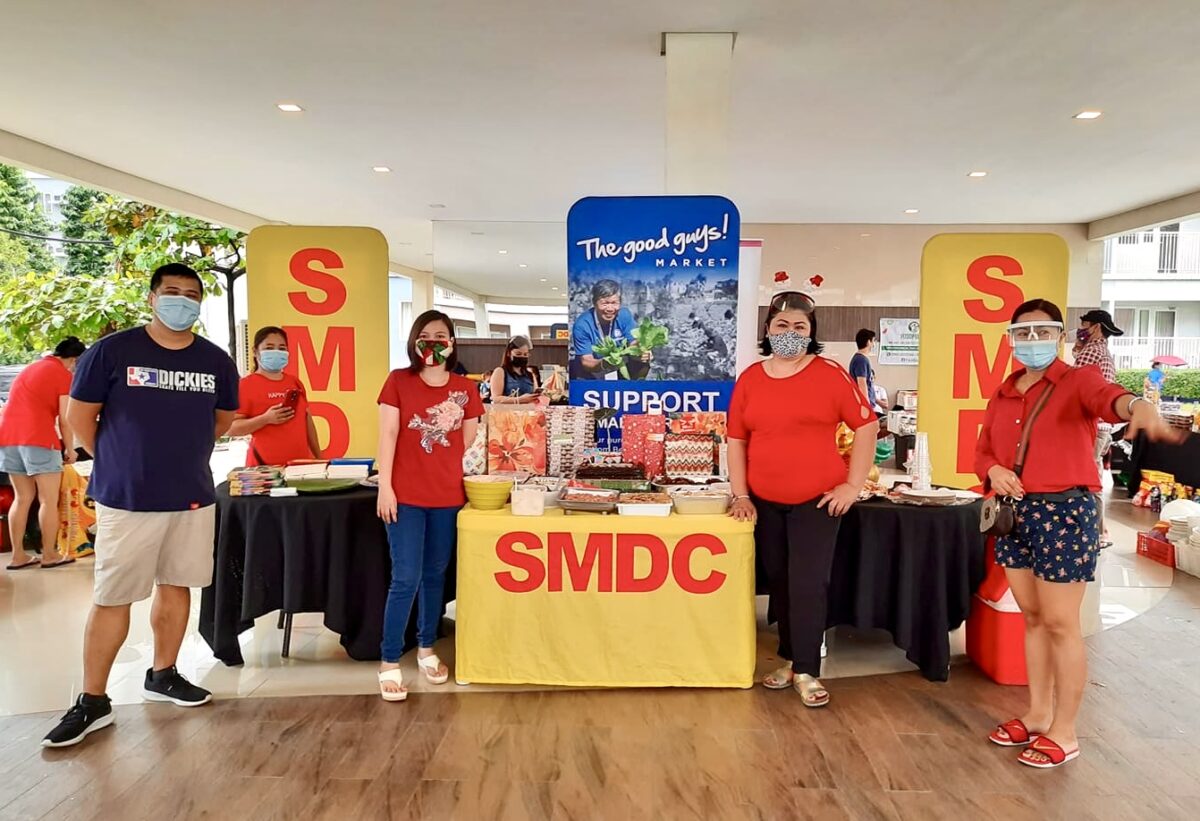
At the center of this transformation was Loida Secillano, a resident who had called Trees Residences home since 2018. Like many others, she faced the uncertainty of the pandemic with concern. But instead of retreating inward, she stepped forward. When the idea of a small weekend market surfaced to help residents access essentials without leaving the property, Loida volunteered. At first, she sold simple necessities—face masks, alcohol, and other protective items that had suddenly become lifelines.
Yet as the weeks passed, something shifted.
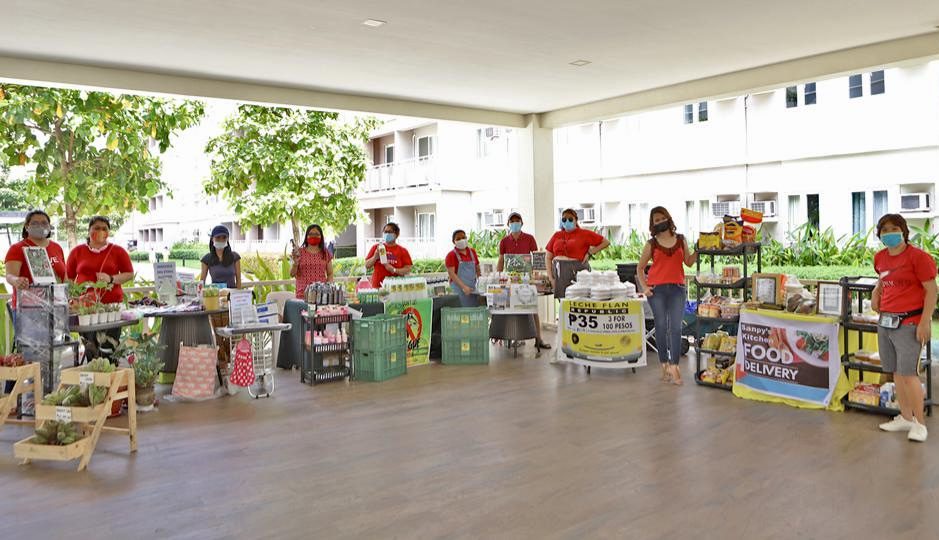
The modest market of ten stalls quickly became more than a place to buy goods. Vendors included displaced workers, teachers seeking extra income, and overseas Filipino workers abruptly sent home by global shutdowns. Each table carried not just products, but stories—of interrupted careers, families to feed, and futures put on hold.
“There was fear everywhere,” Loida would later reflect. “But there was also courage. Every person who opened a stall was choosing to keep going.”
One couple, former cruise ship employees, found themselves stranded back home with no income and no clear path forward. Through the weekend market, they rediscovered stability—and dignity. Stories like theirs multiplied. What began as an emergency measure slowly evolved into a network of mutual support.
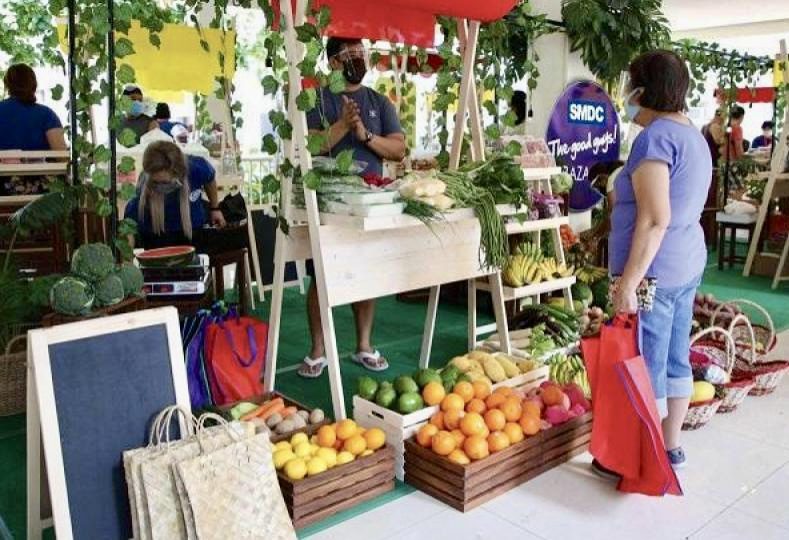
As restrictions eased, the market did not disappear. Instead, it expanded. From ten stalls, it grew to nearly thirty, offering fresh produce, home-cooked meals, plants, handmade crafts, and everyday essentials. Saturdays at Trees Residences developed a rhythm: the sound of friendly greetings, children tugging parents toward favorite food stalls, seniors strolling comfortably without needing to leave the community.
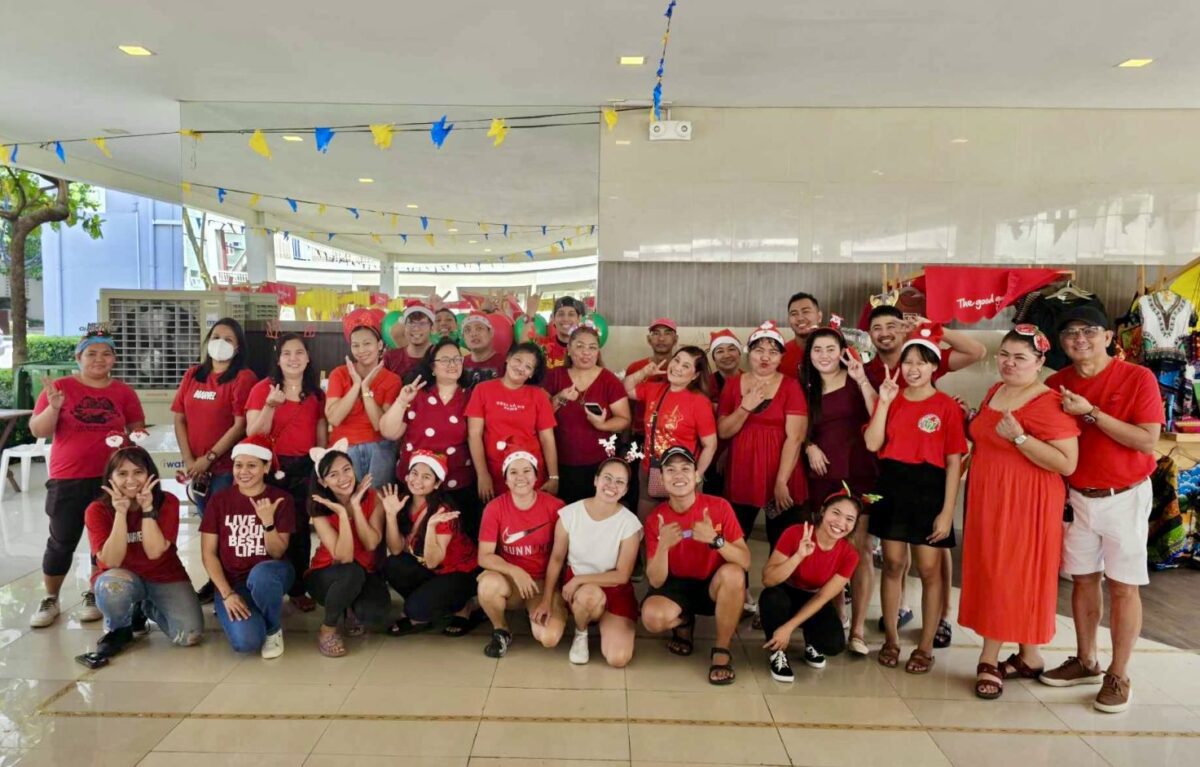
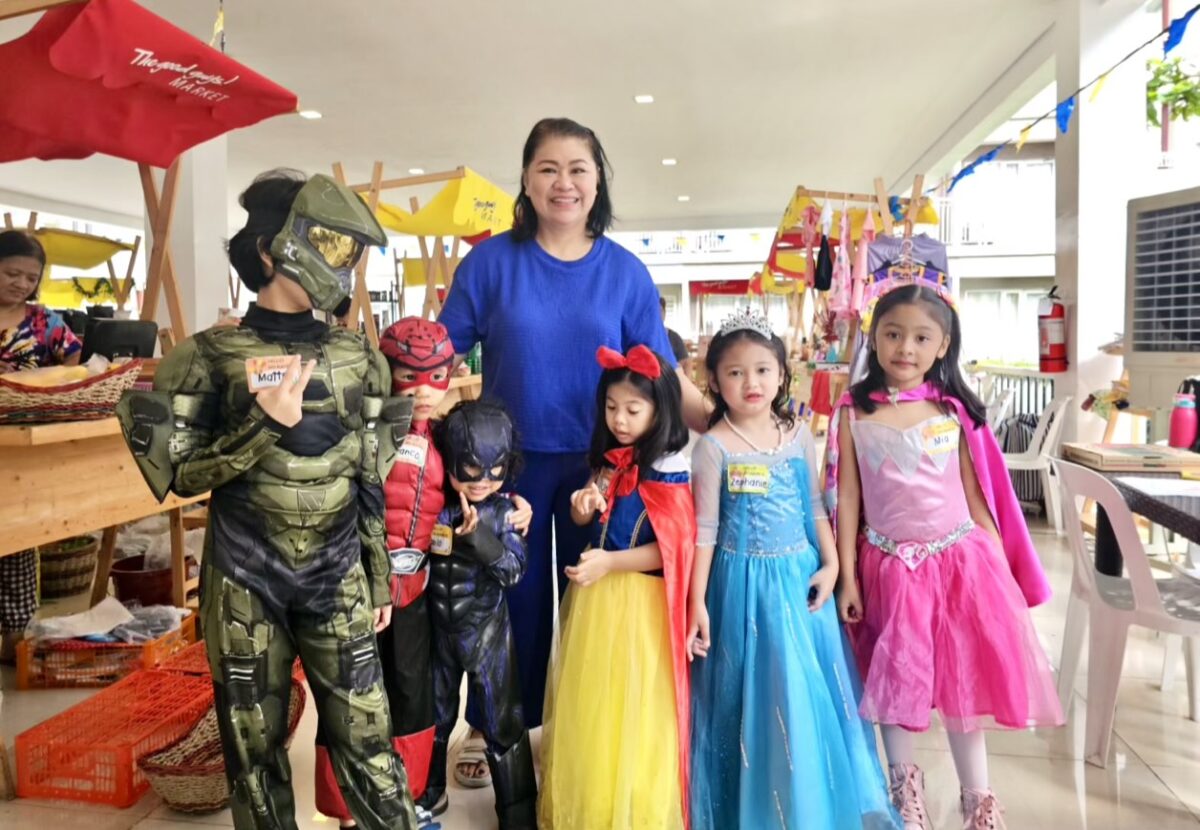
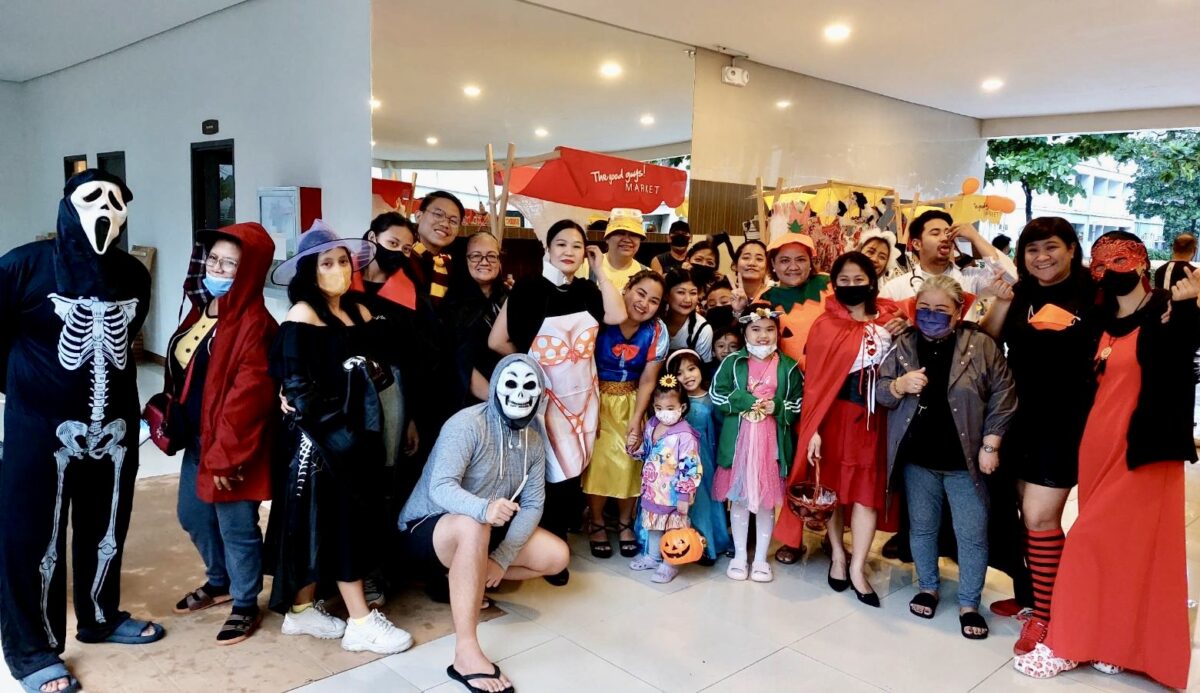
The market became a venue for celebration. Mother’s Day tributes brought flowers and music. Halloween transformed pathways into miniature costume parades. Even ballroom evenings for senior residents found a home amid the weekend buzz. Commerce blended seamlessly with connection.
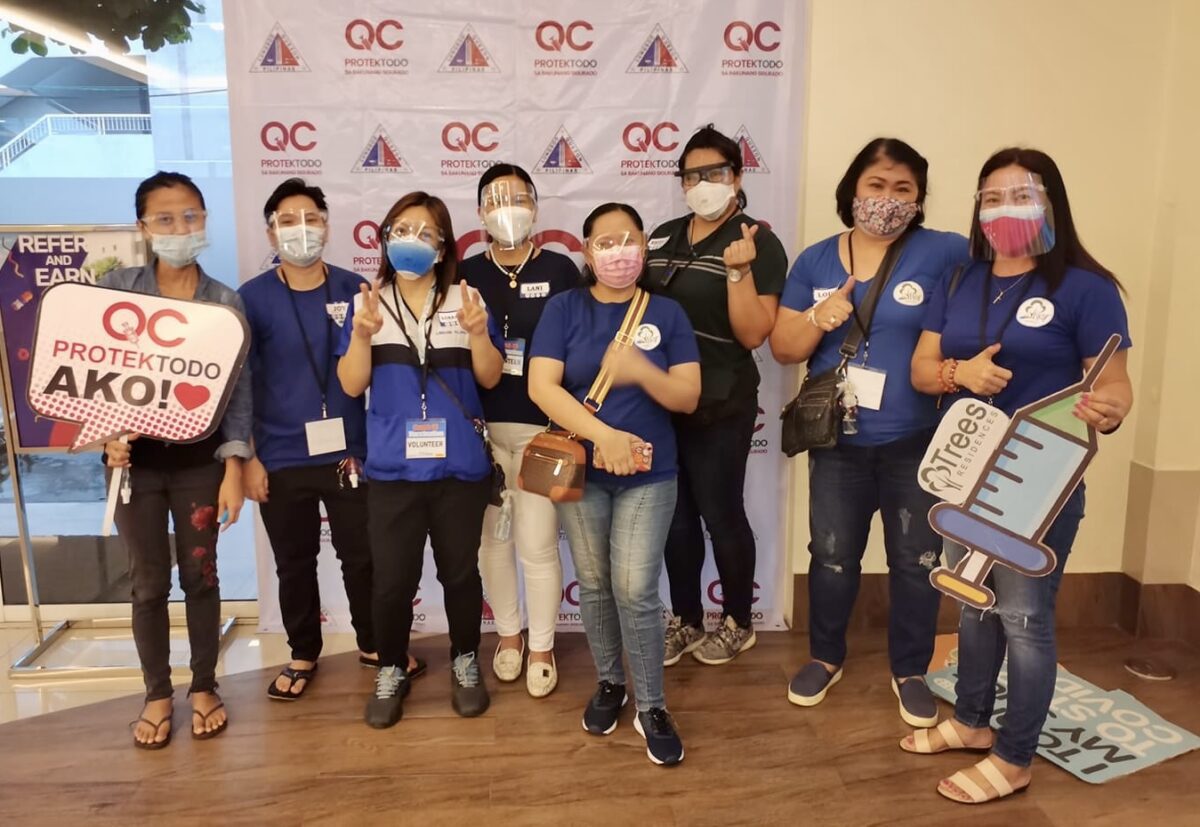
More importantly, accessibility improved lives. Elderly residents, persons with disabilities, and single parents no longer had to travel far for daily needs. Neighbors who had once passed each other quietly in elevators now lingered in conversation between stalls. What had been a collection of condominium units began to feel unmistakably like a neighborhood.
For Loida, leadership came naturally but never formally. She coordinated vendors, listened to concerns, and ensured the space remained welcoming. “When people feel trusted, they rise to the occasion,” she shared. The support of SMDC in providing a venue allowed residents to take ownership of their shared space—and of one another’s welfare.
Five years on, the weekend market continues—steady, vibrant, and anticipated. It has inspired similar initiatives in other communities, proving that resilience can ripple outward.
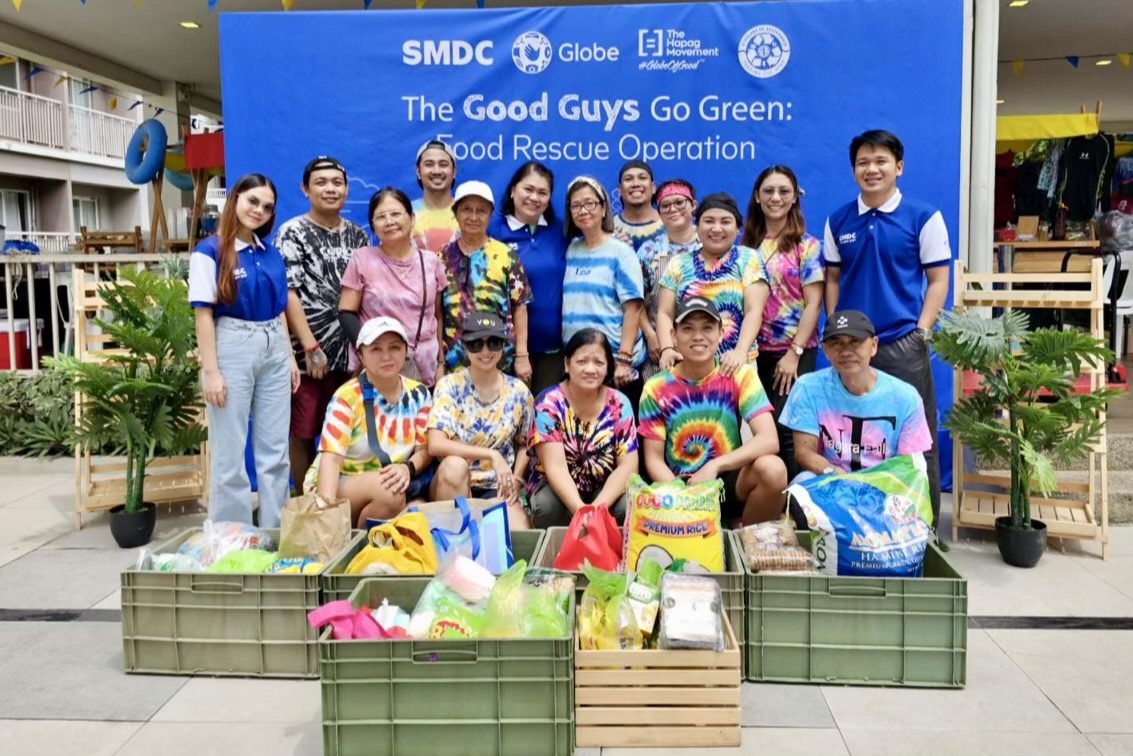
What began in crisis has matured into tradition. At Trees Residences, Saturdays are no longer about survival. They are about belonging. And in that simple act of showing up week after week, neighbors have quietly become family.


Loading…