
 Village Connect

Across the Philippines, Indigenous communities celebrated their cultural identity, traditions, and aspirations as the Tribal Communities Association of the Philippines, Inc. (TRICAP) spearheaded a series of advocacy and community development initiatives throughout National Indigenous Peoples Month 2026.
Guided by the theme “Empowering Indigenous Peoples: Strengthening Rights, Culture and Ancestral Domains,” the nationwide activities emphasized the importance of preserving Indigenous heritage while expanding opportunities in education, leadership, governance, and sustainable development.
Under the leadership of National President Bo-i Limpayen Jennifer Pia Sibug-Las, former chairperson of the National Commission on Indigenous Peoples (NCIP), TRICAP brought together tribal leaders, government institutions, academic organizations, volunteers, and community partners to strengthen Indigenous participation in nation-building.
Celebrating Culture and Strengthening Representation
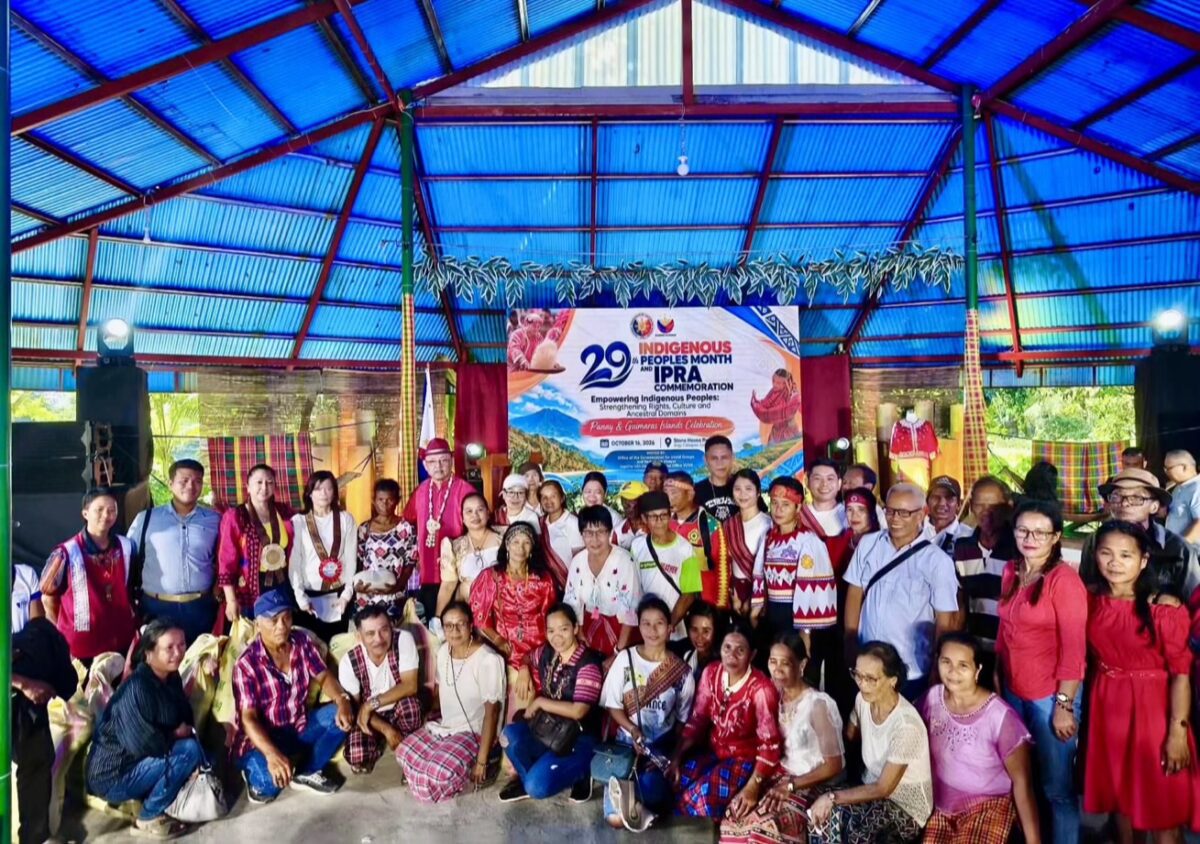
TRICAP opened its month-long participation on October 1 at the Cotabato Provincial Capitol during the commemoration of the Indigenous Peoples’ Rights Act (IPRA), attended by provincial officials and Indigenous representatives.
Simultaneously, the organization partnered with Golden Hearts Missionary to implement Project KAPWA for the Tinangis Tribal Group in Pili, Camarines Sur.
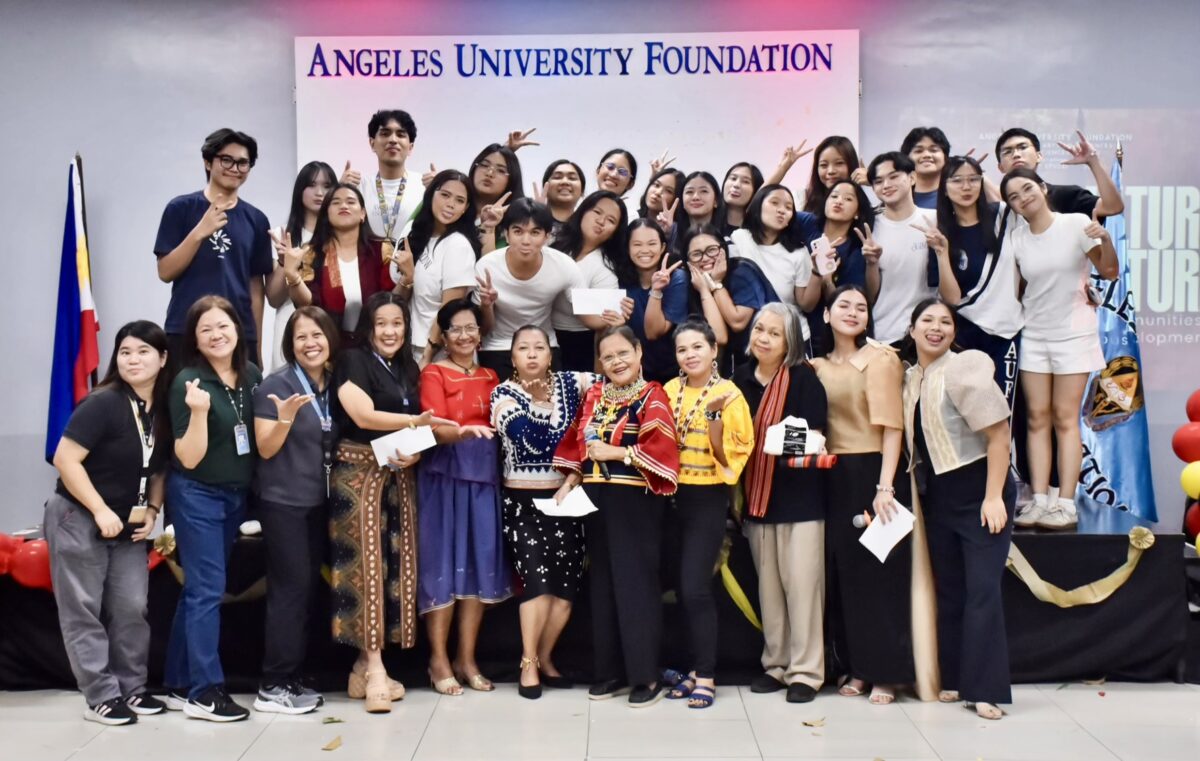
Throughout October, TRICAP participated in major cultural gatherings, including the Aweng Festival in Pangasinan, the Indigenous Peoples Youth Artist Assembly in Region XI, and the Indigenous Peoples Summit in Bohol, bringing together Ati, Badjao, and Eskaya representatives.
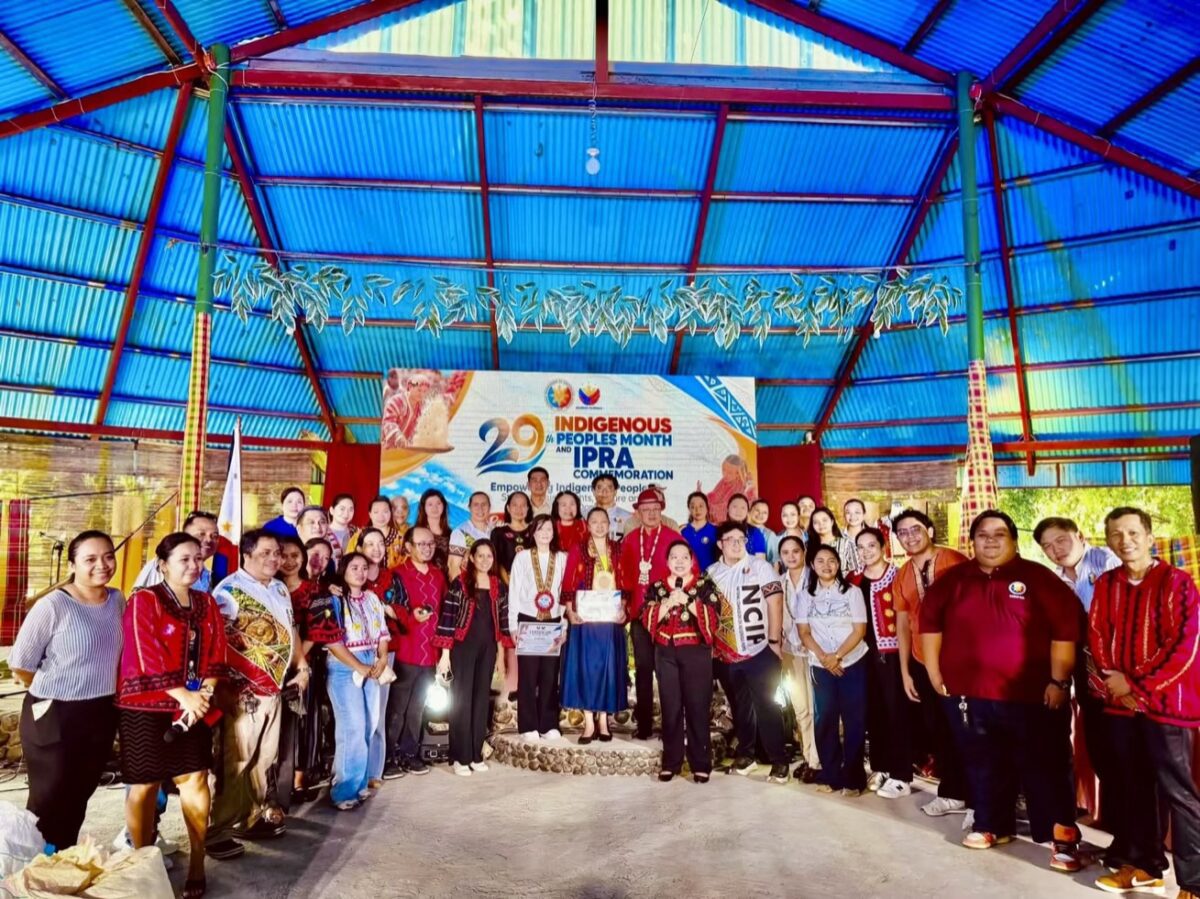
The organization also joined the 29th anniversary commemoration of IPRA in Calinog, Iloilo, reinforcing its commitment to protecting Indigenous communities under Republic Act No. 8371.
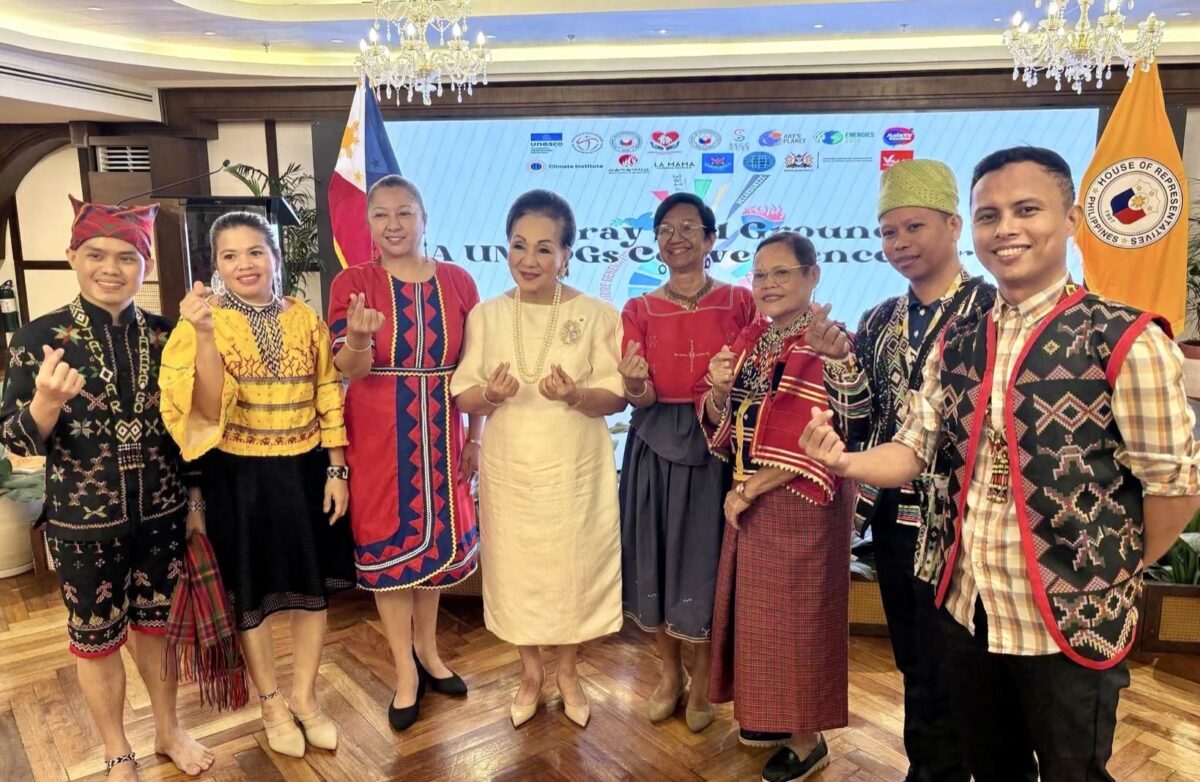
On October 28, TRICAP participated in the launch of the Indigenous Peoples Master Plan 2026–2030 in Makati City and the Indigenous Peoples Mandatory Representatives Summit.
Both engagements emphasized meaningful Indigenous representation, stronger governance, and the protection of ancestral domains.
Education Opens Doors for Indigenous Communities
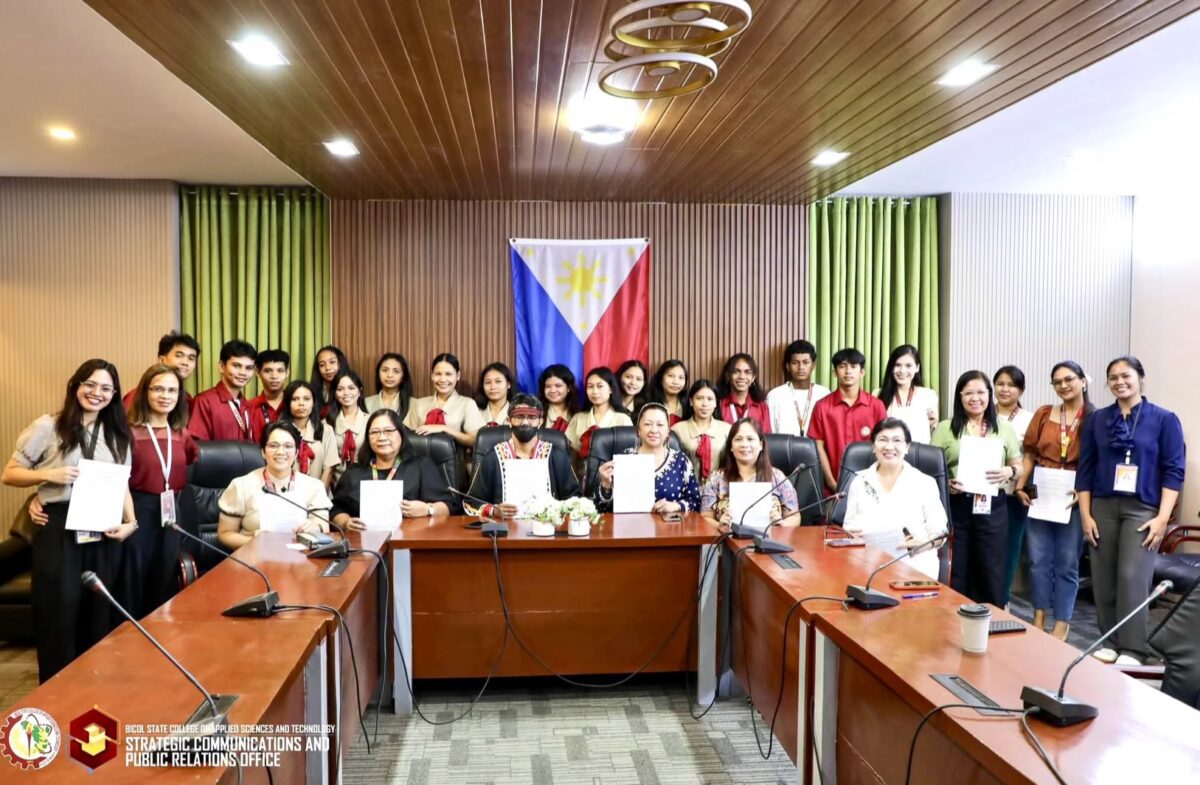
One of TRICAP’s significant accomplishments emerged from its continuing partnership with the Bicol State College of Applied Sciences and Technology (BISCAST).
On October 12, both organizations signed a Memorandum of Agreement covering the PADAGOS Program, Project SHIELD, and Adopt an IPs initiative, strengthening educational assistance and institutional cooperation.
A five-year agreement involving tribal chieftains representing 20 Indigenous scholars followed on October 21, establishing continued support through the Tribal Education Program.
On October 27, TRICAP and its partners turned over ₱25,000 in educational assistance benefiting 20 Indigenous scholars.
The initiative reflected the organization’s belief that access to education can create lasting opportunities while helping young Indigenous Filipinos maintain their cultural identity.
Bicol Communities Lead Grassroots Advocacy
In the Bicol Region, TRICAP Coordinator Jo Valles, conferred the title Datu Makatabang and serving as Golden Hearts Missionary President, helped organize numerous community-based activities despite limited resources.
These included tribal consultations, educational visits, cultural celebrations, and partnerships with local institutions.
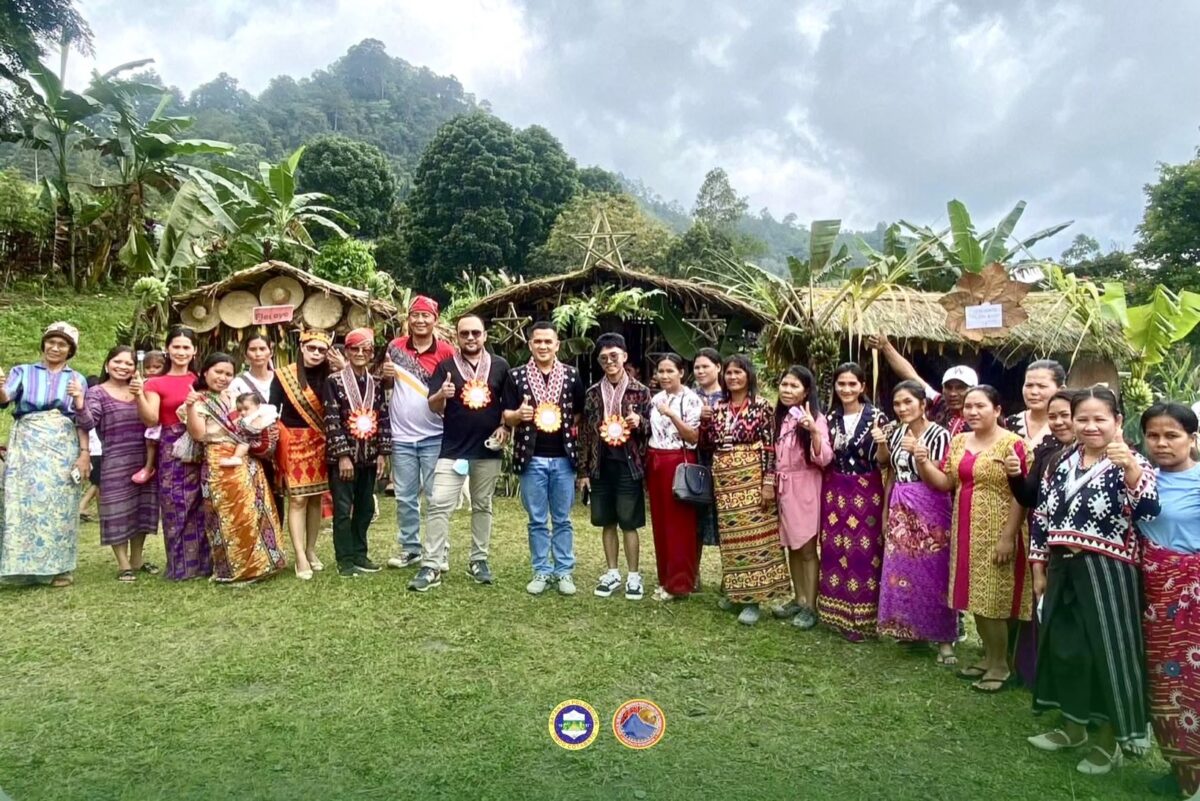
Among the highlights were Indigenous gatherings in Buhi involving 32 tribes and in Iriga City featuring representatives of 21 tribes.
TRICAP also engaged with Agta-Tabangnon and Cimarron communities, strengthening relationships among traditional leaders, educators, and volunteers.
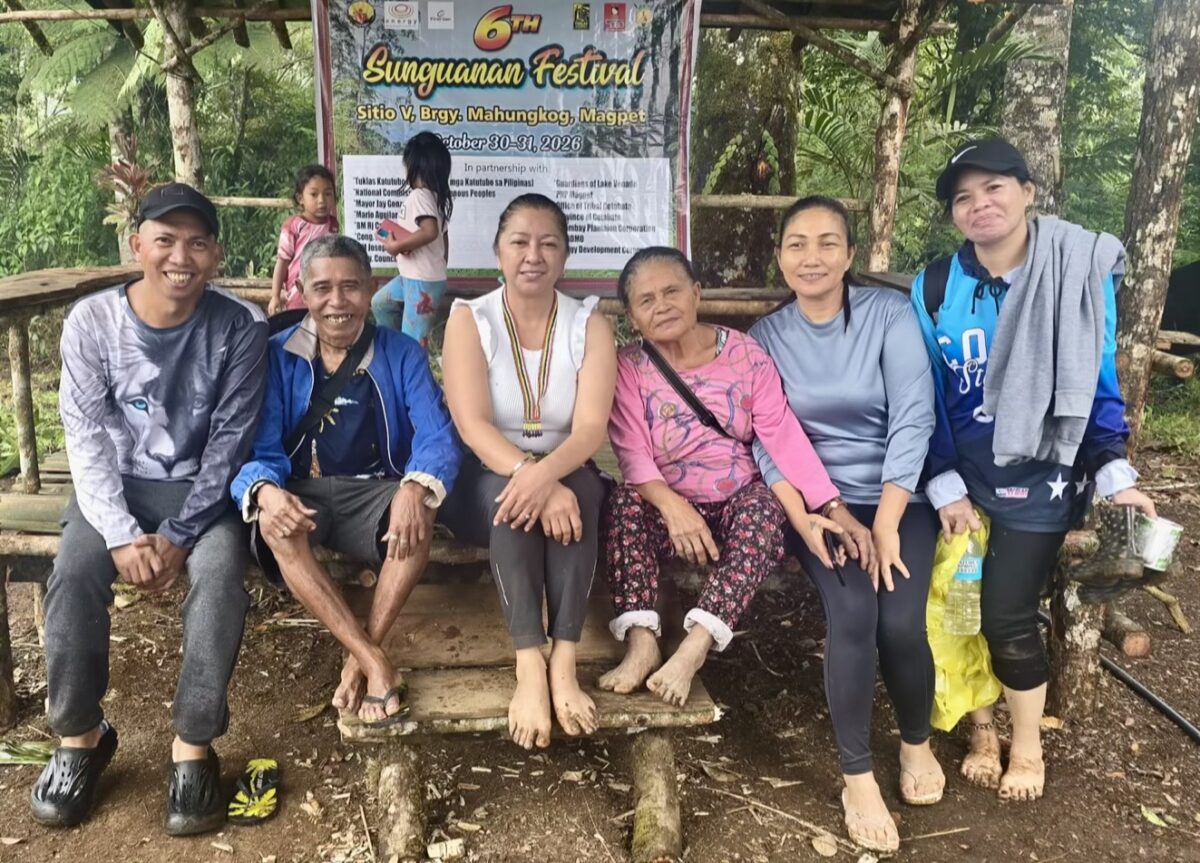
Beyond Bicol, celebrations continued in South Cotabato, Tarlac, and Cotabato, including the Sunguanan Festival honoring Monuvu traditions.
Protecting Heritage for Future Generations
TRICAP’s advocacy extends beyond cultural celebrations to Indigenous women’s leadership, youth development, recognition of customary laws, ancestral domain protection, and the welfare of Indigenous Overseas Filipino Workers.
As the organization approaches its 40th anniversary, it continues to recognize the contributions of tribal elders, community leaders, educators, volunteers, and partner institutions.
For TRICAP, National Indigenous Peoples Month represents more than a celebration of history and tradition. It is a continuing commitment to ensuring that Indigenous Filipinos remain active participants in decisions affecting their communities.
Through stronger partnerships, educational opportunities, and cultural empowerment, TRICAP continues advancing a future where Indigenous Peoples can preserve their heritage, exercise their rights, and pursue development with dignity and self-determination.



Loading…