
 Village Connect
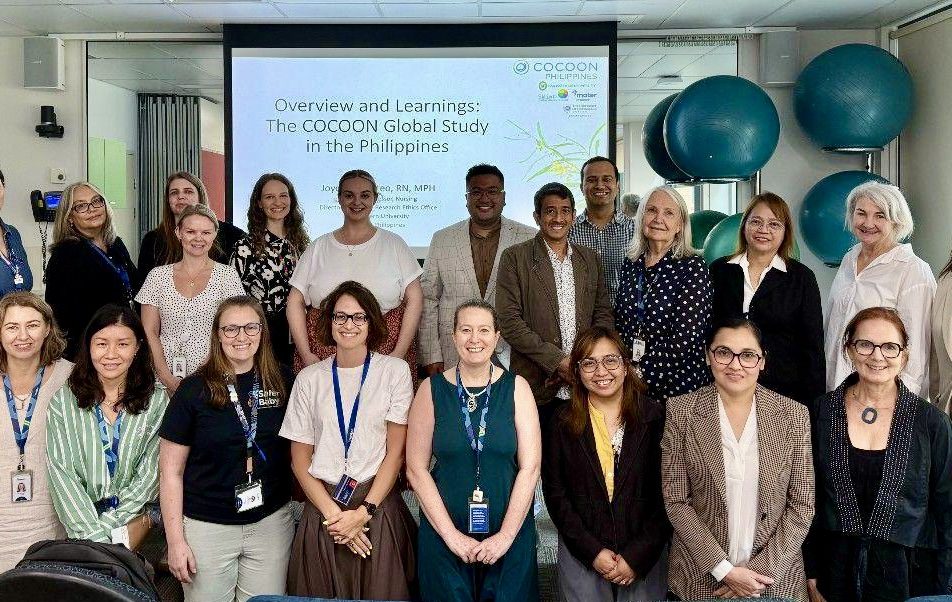
A growing body of research is bringing attention to an often-overlooked reality faced by many Filipino mothers—the quiet burden of perinatal depression. A recent nationwide study led by researchers from Far Eastern University reveals that maternal mental health challenges are more widespread than previously understood, pointing to an urgent need for stronger support systems across the country.
Published in BMJ Open, the study marks the first large-scale investigation into perinatal depression in the Philippines since the pandemic. Led by Joycelyn Abiog Filoteo and Joemer Calderon Maravilla, the research examined the experiences of 856 pregnant and postpartum women nationwide. The findings reveal a concerning trend: nearly 7 in 10 pregnant women and over 6 in 10 postpartum mothers showed clinically significant signs of depression—far exceeding the global average.
These symptoms go beyond occasional mood changes. Many women reported persistent sadness, emotional distress, and even thoughts of self-harm. What makes the findings more alarming is the consistency of these symptoms, which were observed across different stages of pregnancy and extended into the postpartum period. For many mothers, the emotional challenges do not simply fade after childbirth—they continue, often silently.
The study also highlights how vulnerability is shaped by personal and social circumstances. Younger mothers and single women were found to be at greater risk, emphasizing the role of age, stability, and support systems in mental well-being. On the other hand, access to proper prenatal care appeared to serve as a protective factor, suggesting that healthcare systems can play a crucial role not just in physical health, but in emotional resilience as well.
Beyond its national scope, the research contributes to the global COCOON Global Study, a collaborative effort spanning 15 countries. Through this initiative, Filipino researchers are helping shape a broader understanding of maternal mental health, while also ensuring that local realities are represented in global conversations.
For Far Eastern University, the study is more than an academic milestone—it is a call to action. It underscores the need for early mental health interventions, better access to care, and policies that address the social and economic pressures affecting mothers. More importantly, it brings visibility to a struggle that many women face quietly, often without adequate support.
As awareness grows, so does the opportunity to respond with compassion and concrete solutions. By recognizing perinatal depression as a pressing public health concern, the Philippines can take meaningful steps toward building a system where mothers are not only cared for physically, but supported emotionally—ensuring healthier families and stronger communities for generations to come.



Loading…