
 Village Connect
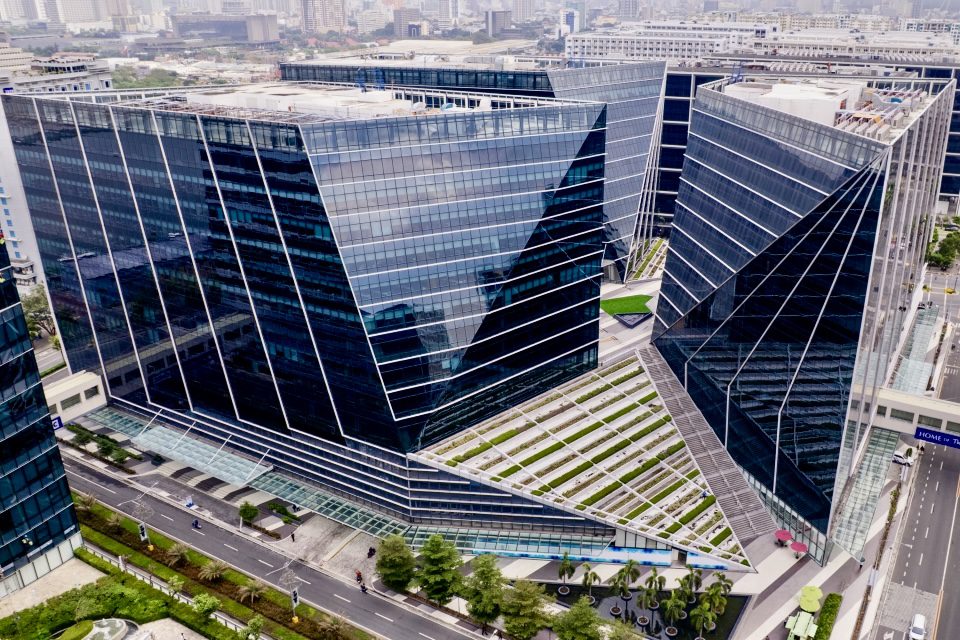
Sustainability is no longer a future goal—it is a daily practice taking shape in the country’s modern workplaces. At SM Offices, water conservation has become a central part of how buildings operate, with 2025 marking a significant milestone in its environmental efforts. Through expanded recycling systems and smarter resource management, the company saved more than 185,000 cubic meters of water across its developments—an amount that reflects both innovation and responsibility.
This achievement is rooted in a growing shift toward circular water use. Across its stand-alone office developments and mall-integrated spaces, SM Offices maximized the use of recycled water, reaching a combined total of 185,890 cubic meters. To put this into perspective, the volume is enough to support around 775 urban households for an entire year. Behind these numbers is a network of on-site sewage treatment plants that convert wastewater into a reusable resource, reducing dependence on fresh water while maintaining efficient building operations.
Rather than limiting its use to a single purpose, recycled water is integrated into multiple aspects of daily operations. It is used for restroom flushing, irrigation of landscaped areas, and even in certain cooling systems—demonstrating how sustainability can be embedded seamlessly into building design. These efforts are particularly visible in large-scale developments like the SM Mall of Asia Complex and the Central Business Park 1-A, where open spaces and greenery are maintained with minimal strain on local water resources.
Complementing these systems are practical, everyday measures that enhance efficiency. Low-flow fixtures, sensor-based plumbing, and proactive maintenance checks help reduce unnecessary consumption, while optimized irrigation schedules prevent water loss due to evaporation. In select buildings, treated water is also used in cooling towers, further decreasing the demand for potable water in energy-intensive operations.
Beyond infrastructure, SM Offices recognizes that sustainability is a shared responsibility. Tenants are encouraged to take part through guidelines that promote responsible water use within their own spaces. Regular updates, consumption data, and conservation tips are shared to build awareness and foster a culture of accountability among building occupants.
Looking ahead, the company continues to explore smart water technologies that can monitor usage in real time and detect leaks early. These innovations aim to further strengthen efficiency while supporting the needs of growing businesses. As urban demand for resources increases, SM Offices demonstrates that thoughtful design and collective action can make a measurable difference—proving that every drop saved today contributes to a more sustainable tomorrow.


Loading…