
 Village Connect
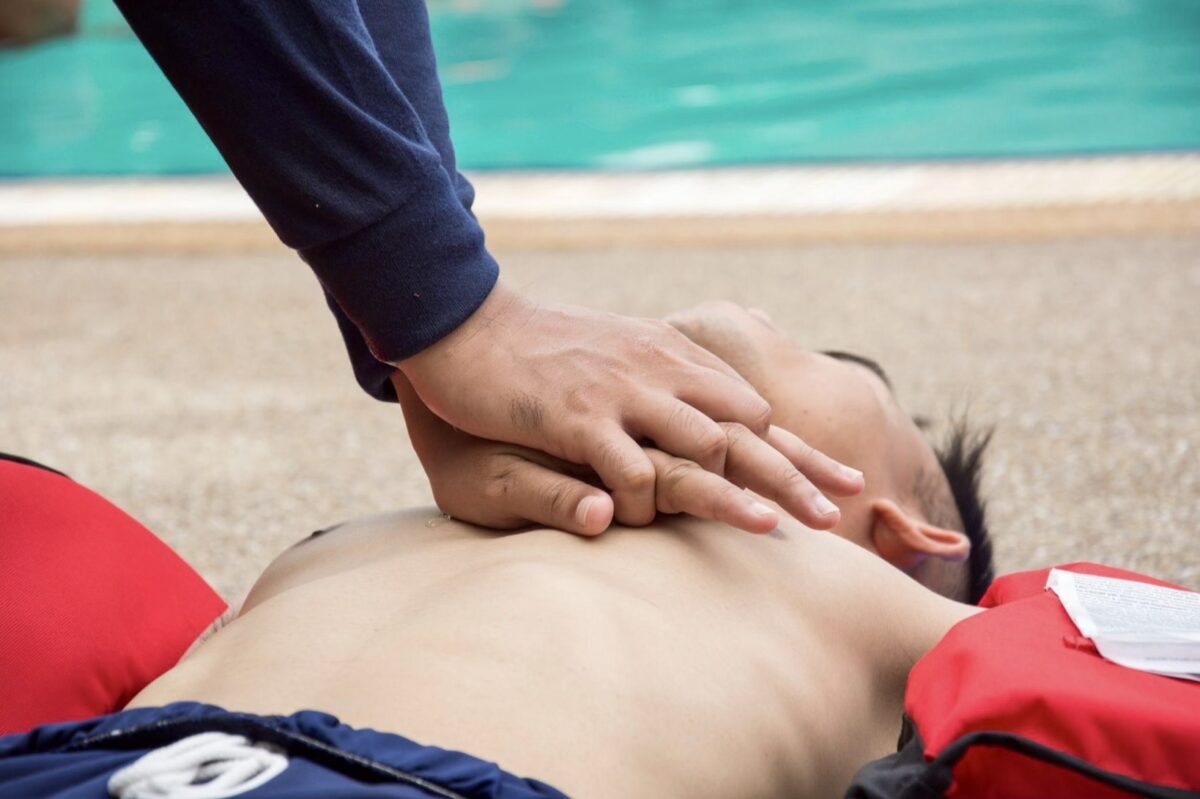
With millions of travelers visiting Cebu each year, emergency preparedness is becoming an increasingly important part of providing a safe and reliable tourism experience. For hospitality workers stationed at hotels, resorts, pools, and beachfront properties, knowing how to respond during the first critical moments of an emergency can make a significant difference.
Bell-Kenz Pharma is expanding its Sagip CPR initiative to Cebu’s hospitality industry through a specialized training program on August 27 at the University of Cebu–Lapu-Lapu and Mandaue Campus. The program is being conducted in partnership with the Hotel, Resort and Restaurant Association of Cebu, Inc. (HRRACI).
The training will equip lifeguards, pool and beach personnel, security officers, guest service employees, and other hospitality frontliners with practical knowledge for responding to emergencies, particularly drowning incidents.
Unlike what is commonly portrayed, drowning may happen quietly. A person in distress may not be able to shout, wave, or clearly signal for assistance. Hospitality personnel therefore need to recognize less obvious warning signs, including difficulty staying above water, inability to move forward, or repeatedly disappearing beneath the surface.
To address these situations, the Cebu training introduces a drowning chain of survival covering five essential steps: prevent drowning, recognize distress, provide flotation, safely remove the person from the water, and provide appropriate care.
Prevention remains the first priority. Adults are encouraged to closely supervise children, use life jackets when necessary, avoid swimming alone, and stay out of the water when under the influence of alcohol.
When someone appears to be drowning, responders are advised to provide flotation rather than immediately entering the water. The “throw, don’t go” approach encourages rescuers to throw a life buoy, empty plastic container, or another floating object that can help keep the person above water while assistance is being mobilized.
Removing someone from the water must also be done carefully. Reaching devices or boats should be used whenever possible, while rescuers should avoid entering dangerous water conditions, particularly when currents are strong, unless they have proper training.
Once the person has been brought to safety, responders must assess their condition and contact emergency medical services. If the individual is unresponsive and not breathing normally, participants are taught to follow the S.A.G.I.P. sequence: Suriin ang Lugar, Alamin ang Kalagayan, Gamitin ang 911 o lokal na emergency hotline, Ilagay ang mga kamay sa gitna ng dibdib, at Paganahin ang AED.
CPR and appropriate emergency measures should continue until trained medical responders arrive. Even when a person appears to have recovered from a drowning incident, evaluation by a healthcare professional remains important.
The Cebu initiative comes as tourism continues to generate significant economic activity for the province and the wider Central Visayas region. Cebu welcomed more than 836,595 tourists from January to June, while Central Visayas recorded 6.9 million visitors in 2025, up 8.4 percent from 6.4 million in 2024.
By extending Sagip CPR to hospitality personnel, Bell-Kenz Pharma and HRRACI are helping strengthen another important element of tourism: ensuring that the people who welcome and serve visitors are also prepared to respond when emergencies happen.
For more information about Bell-Kenz Sagip CPR, visit www.bell-kenz.net.


Loading…