
 Village Connect
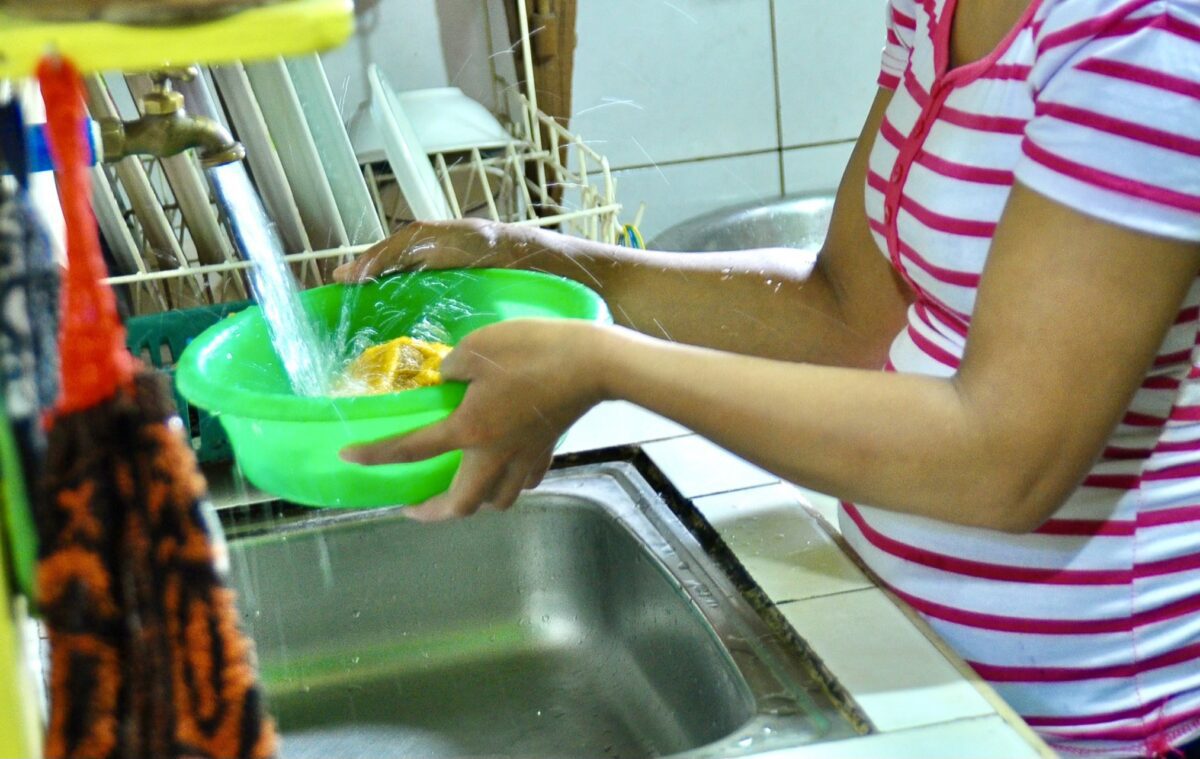
Long before taps are turned on in homes across Metro Manila and Rizal, a quiet expansion is already at work beneath the streets. In 2025, Manila Water continued strengthening this unseen backbone, steadily widening its water service network to keep pace with growing communities and daily demand.
From January to November 2025 alone, the company added 19,421 new water service connections. This brought the total number of connections in the East Zone concession area to more than 1.21 million since operations began in 1997—each one representing another household, business, or neighborhood gaining access to safe and dependable water.
Behind these new connections is an equally significant expansion of infrastructure. Over the same period, Manila Water extended its pipeline network by 92.59 kilometers, increasing the total length to 5,656.23 kilometers. This growing web of pipes allows water to move efficiently from treatment facilities to customers, supporting the company’s goal of uninterrupted, round-the-clock service.
Equally critical to reliability is what customers don’t see: how much water is saved. Manila Water has consistently kept its non-revenue water levels—water lost through leaks or illegal connections—at an average below 15 percent. This performance is on par with utilities in developed countries and is a key factor in maintaining stable pressure and 24/7 availability. By minimizing losses, more treated water reaches homes instead of disappearing underground.
“Our sustained expansion and operational efficiency reflect Manila Water’s commitment to delivering safe, reliable water service to every customer,” said Jeric Sevilla, director of the company’s Corporate Communication Affairs Group. He emphasized that investments in pipeline infrastructure and active management of non-revenue water enable the utility to support both current needs and future growth.
Looking ahead, the work continues. Serving more than 7.8 million customers in the East Zone, Manila Water plans to further expand its service coverage while adopting new technologies to improve efficiency and resilience. As urban areas grow and water demand increases, these long-term investments aim to ensure that clean, reliable water remains available—day and night—for the communities that depend on it.



Loading…