
 Village Connect
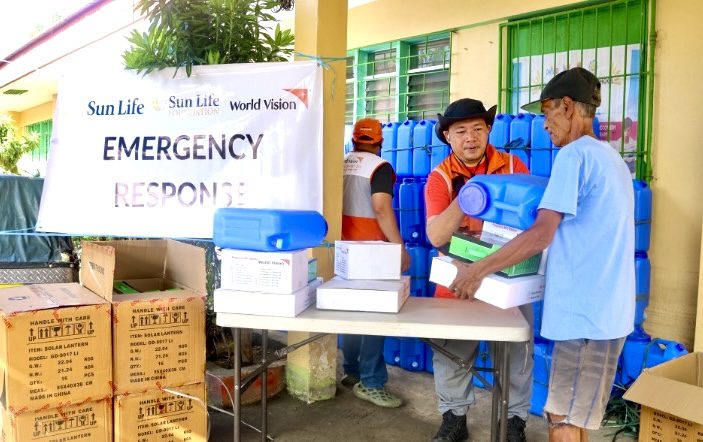 When the ground shook across parts of Central Visayas, families in Cebu ran out of their homes with only what they could carry. Classrooms cracked, homes weakened, and for many children, school suddenly stopped—not because of vacation, but because learning spaces were no longer safe.
In moments like this, recovery begins not with big speeches, but with steady, practical help.
In January 2026, Sun Life stepped forward with a CAD 150,000 (around PHP 6.3 million) donation to support communities affected by the 6.9-magnitude earthquake in Cebu and by the destructive paths of Typhoon Tino and Super Typhoon Uwan. The goal was simple: help families stand up again, one need at a time.
For 500 schoolchildren in Cebu, the focus was getting them back to learning. Working with Save the Children Philippines, Sun Life supported the building of temporary learning spaces that are safe, child-friendly, and accessible—even for learners with disabilities. These spaces come with clean water, proper sanitation, emergency power, and internet connection. Children also received learning kits and psychosocial support materials to help them heal emotionally, not just academically.
Relief also reached families who lost basic comforts. Through World Vision Philippines, 350 families received emergency packs containing hygiene kits, blankets, mosquito nets, lamps, and learner kits for children. Another 350 families in Pangasinan received similar support to recover from the impact of Typhoon Tino and Super Typhoon Uwan.
The response did not stop there. Sun Life’s philanthropic arm, Sun Life Foundation, partnered with ABS-CBN Foundation to distribute food packs to 600 families affected by the Cebu earthquake and 585 families in Masbate recovering from Typhoon Opong.
For Sun Life Philippines CEO Benedict Sison, the mission goes beyond donations. He shared that standing with Filipinos during their most vulnerable moments is part of being a true partner—helping not just to rebuild structures, but to restore hope.
In a country visited by disasters year after year, recovery is never a one-time act. It is a series of small, steady steps—classrooms rebuilt, meals shared, and families reminded that they are not alone.



Loading…