
 Village Connect

Helping disaster-affected communities requires preparation, teamwork, compassion, and a genuine understanding of people’s needs.
When disasters strike, volunteers often become a source of hope for families struggling to recover. Whether distributing food, organizing essential supplies, or assisting displaced residents, their presence brings reassurance that affected communities are not facing their difficulties alone.
However, successful volunteer work involves more than generosity and the willingness to spend time helping others. Behind every organized relief operation are careful planning, coordination, physical readiness, and a commitment to delivering assistance where it is needed most.
Through SM Foundation’s Operation Tulong Express (OPTE), volunteers Irene Agbayani, Human Resources Officer at SM Center Dagupan, and Stephen Viray, Building Administration Manager at SM Center Dagupan, have gained valuable experience in responding to communities affected by disasters.
Their experiences demonstrate how ordinary individuals can become effective partners in humanitarian efforts.

Preparation Makes Every Mission More Effective
For Agbayani, understanding the situation in a disaster-stricken community is essential before joining a relief mission.
“Personally, siyempre kailangan ko din malaman kung ano ’yung talagang situation dun sa area,” she shared.
Knowing the extent of the damage, the number of affected families, accessibility of roads, and prevailing weather conditions allows volunteers to prepare for possible challenges.
Viray shares the same perspective, emphasizing that proper coordination with relief organizers and local authorities helps volunteers understand their responsibilities even before arriving at the distribution site.
Such preparation minimizes confusion and allows teams to concentrate on delivering assistance efficiently.
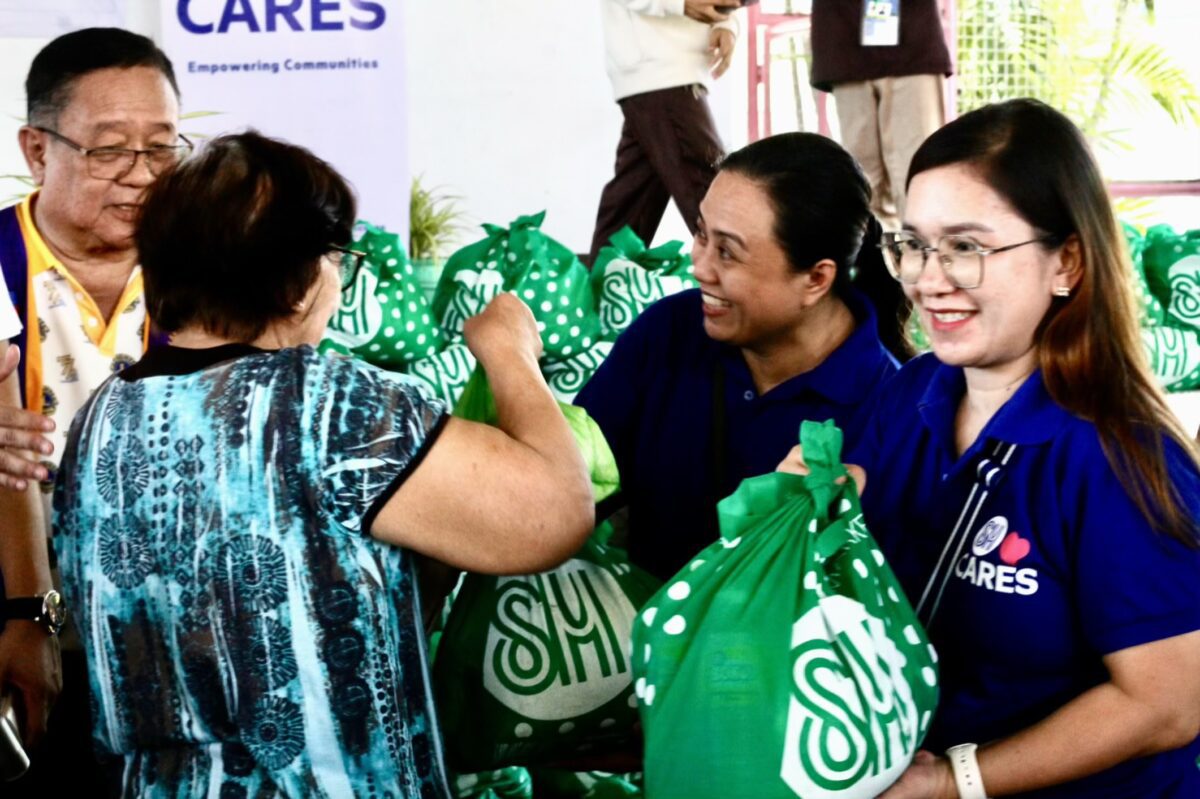
Listening to Communities Before Extending Help
Not every disaster-affected community requires the same kind of assistance.
Some families urgently need clean drinking water, while others require food, hygiene supplies, infant essentials, or temporary shelter materials.
Providing relief without understanding these priorities may result in unnecessary supplies while critical needs remain unanswered.
Through OPTE, SM Foundation coordinates with local government units and response teams to determine which communities need immediate attention and what assistance would be most appropriate.
For aspiring volunteers, this offers an important lesson: meaningful generosity begins by listening rather than assuming.

Compassion Requires Strength and Sensitivity
Disaster response can be physically exhausting and emotionally challenging.
Volunteers may encounter damaged communities, displaced families, and individuals coping with uncertainty about their future.
Agbayani recalled experiences that taught her the importance of preparing physically and emotionally before participating in relief activities.
“Siyempre ang bigat ng pinagdaraanan ng mga taong nandoon. So ikaw, dapat matatag at light lang ang ipakita mo. Ang pagpunta mo roon ay dapat maging simbolo ng pag-asa sa kanila, ’di ba?” she explained.
Her message highlights an often-overlooked responsibility of volunteers: offering encouragement while respecting the dignity and emotional struggles of disaster survivors.
A reassuring presence, patient attitude, and compassionate approach can be just as meaningful as the goods being distributed.
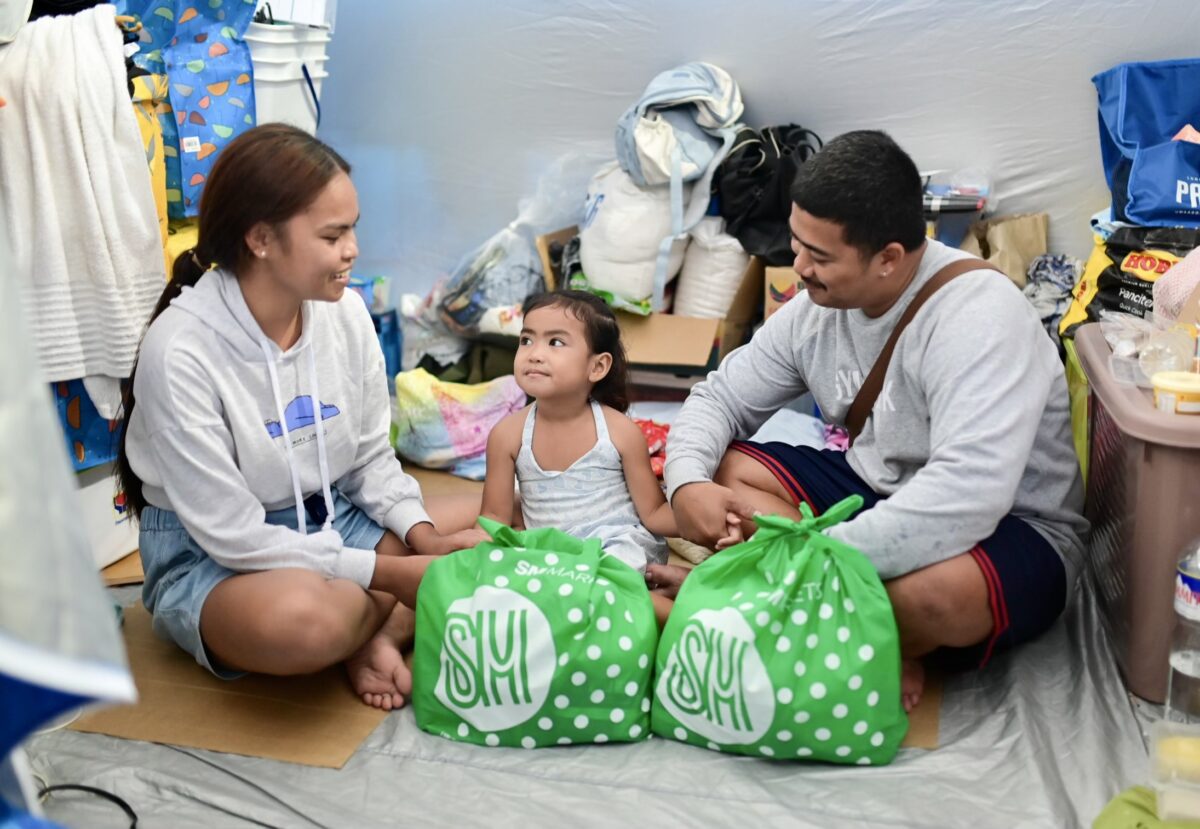
Teamwork Turns Individual Efforts Into Collective Action
Effective disaster response depends on people working toward a common purpose.
During organized relief missions, volunteers are assigned responsibilities such as preparing supplies, packing relief bags, managing distribution areas, and assisting beneficiaries.
Following team instructions and maintaining communication are essential to ensuring smooth operations.
For newcomers, Agbayani and Viray’s experiences reinforce the value of remaining flexible, asking questions, and respecting established procedures.
Even seemingly small responsibilities contribute to the success of the entire operation.
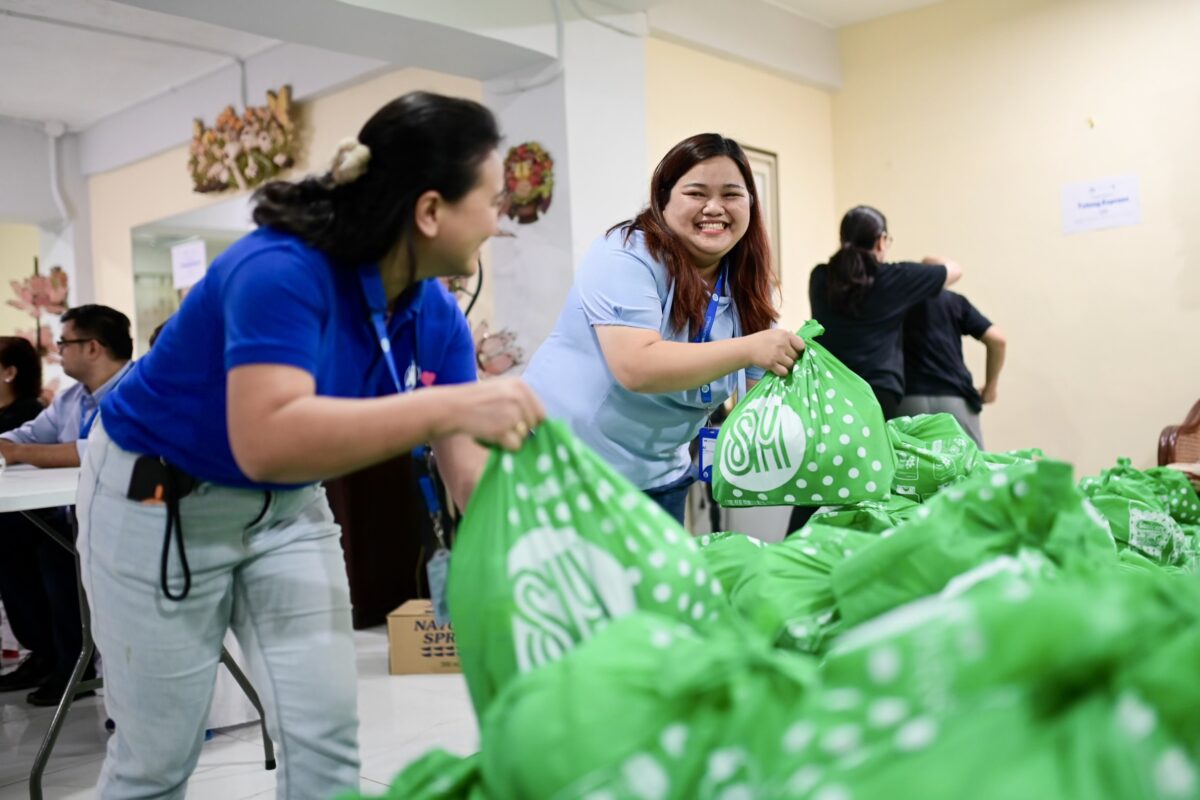
Building a Culture of Purposeful Volunteerism
Volunteerism does not require extraordinary resources or extensive experience. What matters is the willingness to contribute responsibly and consistently.
A person who carefully prepares relief packages, helps organize donations, or supports distribution teams can make a valuable difference in the lives of affected families.
Yet the greatest impact comes when generosity is supported by preparation, discipline, and cooperation.
Through Operation Tulong Express, SM Foundation continues to demonstrate the importance of organized community assistance, with volunteers helping translate compassion into practical action.
For Agbayani and Viray, their experiences serve as reminders that volunteerism is not simply about being present during difficult times. It is about understanding people’s struggles and responding with care, respect, and purpose.
Ultimately, the true measure of volunteerism is not how many hours someone gives, but how meaningfully those hours improve the lives of people who need help most.



Loading…