
 Village Connect
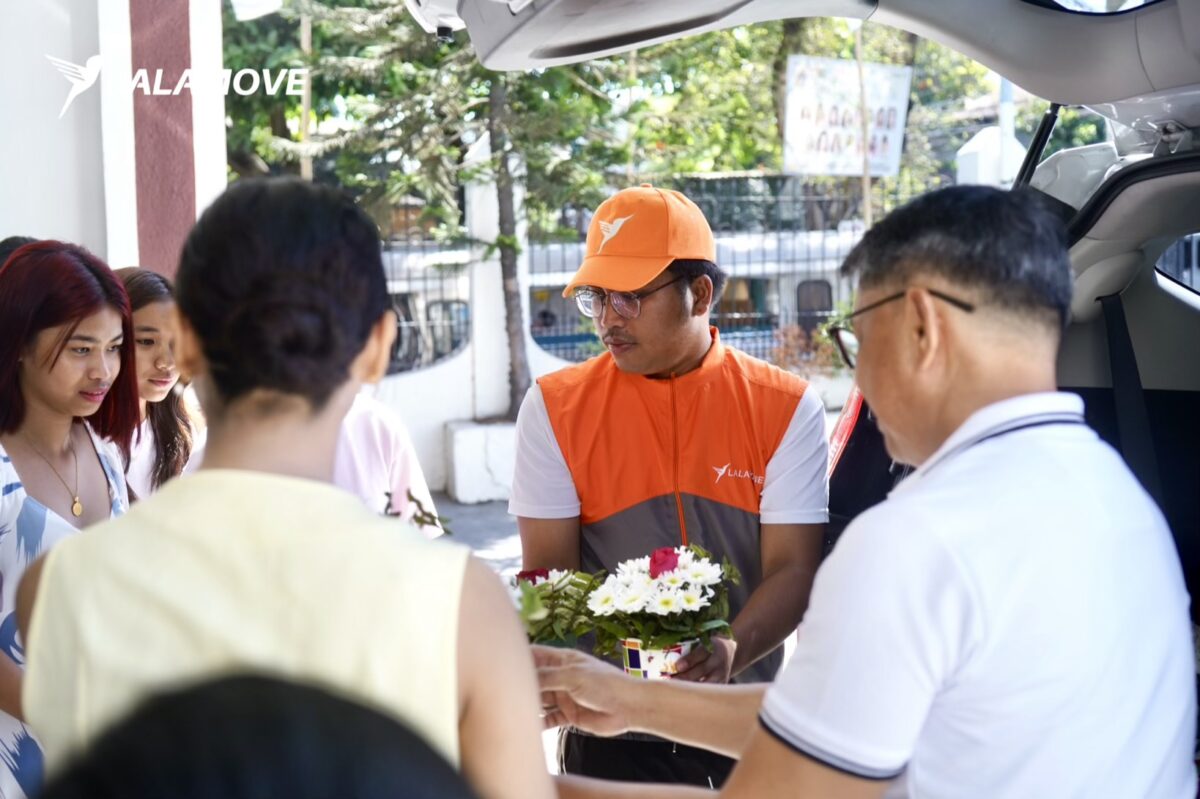
Long before Flores de Mayo processions fill streets with flowers, gowns, and music, communities across Luzon are already deep into the work that keeps the tradition alive.
Inside parish halls and family homes, sewing machines run late into the evening while organizers juggle schedules, suppliers, rehearsals, and food preparations. Sashes are adjusted, flowers are reserved early to survive the summer heat, and volunteers move constantly between churches, markets, and preparation sites. By the time the Santacruzan finally reaches the streets, weeks of unseen coordination have already taken place behind the scenes.
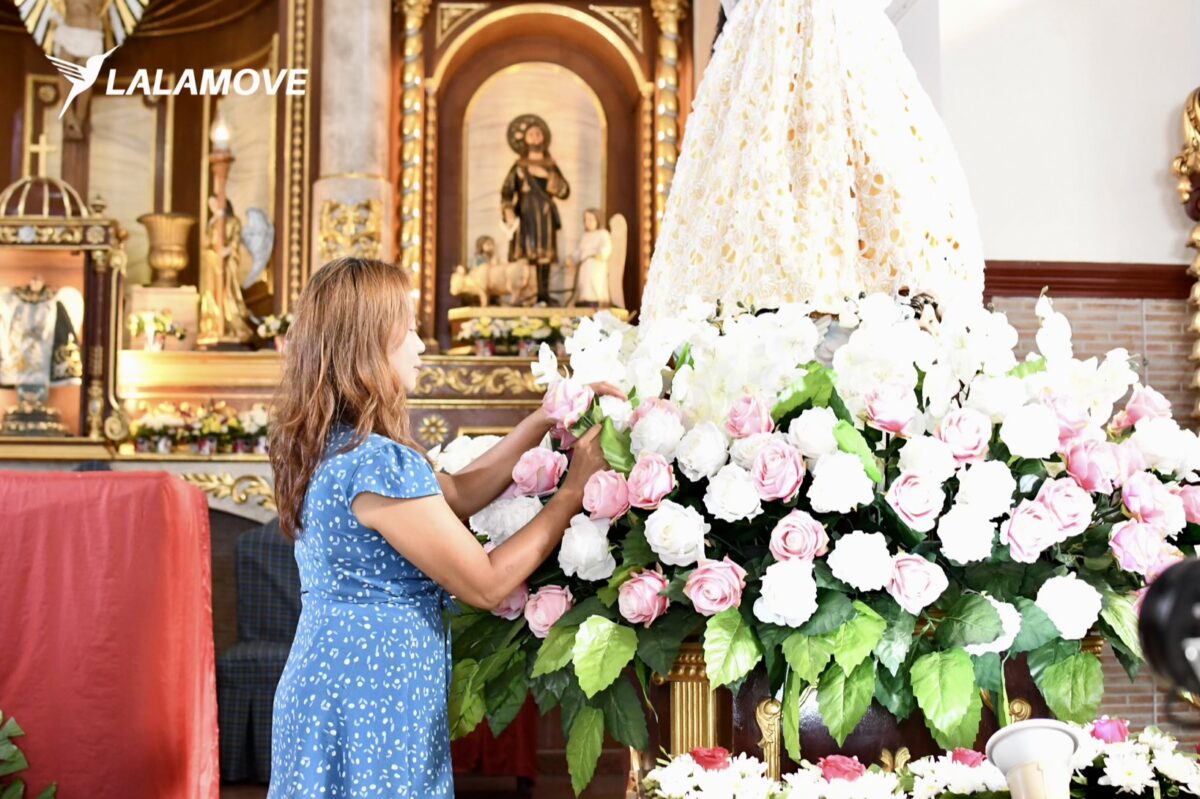
This year, Lalamove Philippines is highlighting that side of the tradition through its Flores de LALA campaign, recognizing the families, organizers, small businesses, and volunteers whose efforts shape Flores de Mayo long before the public celebration begins.
For many communities, the preparations begin as early as April. Lead sponsors, parish coordinators, and families work together to confirm participants, finalize decorations, organize rehearsals, and secure supplies needed for the month-long Catholic tradition honoring the Blessed Virgin Mary. While the procession itself remains the most visible part of Flores de Mayo, much of the real work happens quietly in advance.
In San Pedro, Laguna, Evelyn and her family know this routine well. Their flower shop becomes part of the season’s nonstop movement as orders come in for church offerings, carrozas, floral arches, and decorations for the hermana mayor’s kubol. Coordinating deliveries has become just as important as arranging flowers themselves.
“Kaya kong mag-Dangwa nang hindi umaalis sa bahay,” Evelyn shared, explaining how delivery services help them transport flowers and supplies quickly between suppliers and preparation sites during the busiest days of the season.
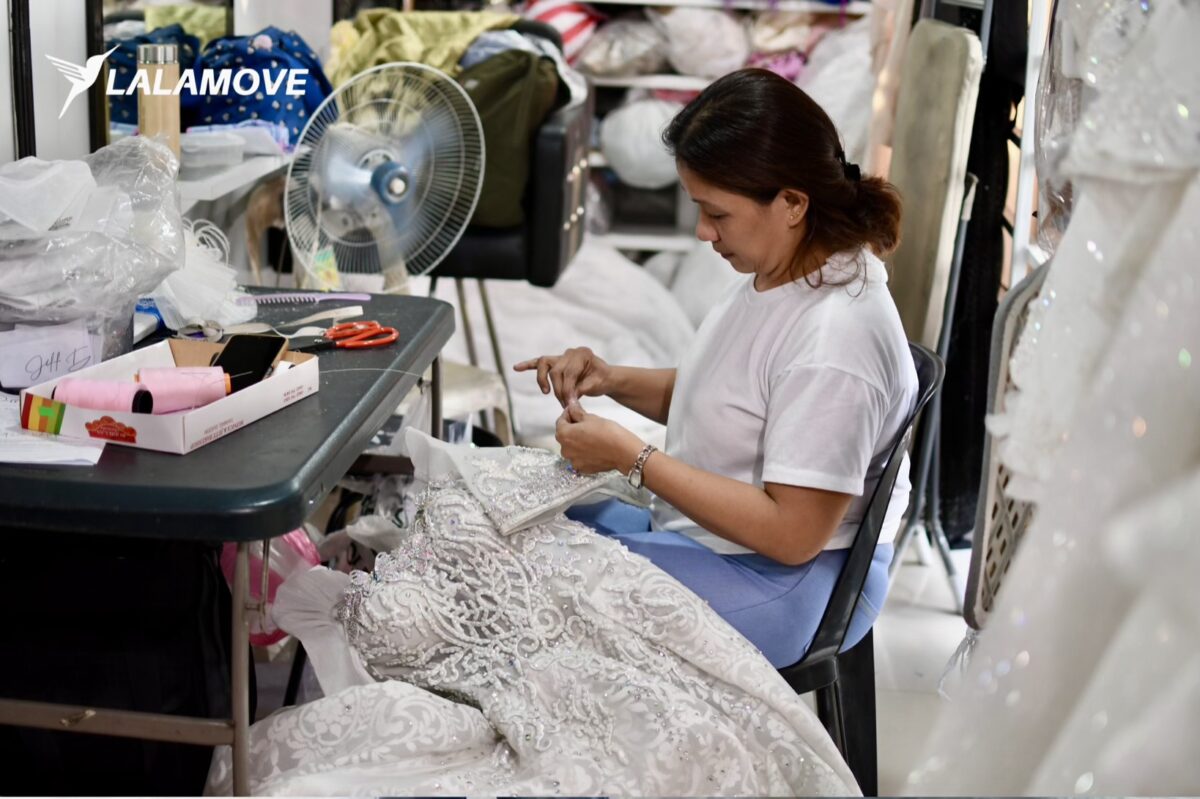
The same rhythm can be seen in other communities across Luzon. In Bocaue, Bulacan, families send fundraising shirts, décor materials, and event supplies between cities ahead of the festivities. In Metro Manila neighborhoods, gowns move from seamstresses to fitting areas while flowers, sound systems, and food supplies travel between homes, parishes, and suppliers throughout the day.
The preparations also create opportunities for small local businesses. Seamstresses, florists, food vendors, printers, décor makers, and sound-system providers all become part of the annual tradition. Their work may not always stand at the center of the procession, but without them, the celebration would never fully come together.
The challenge often lies in timing. A delayed gown can affect rehearsals. Flowers delivered too early wilt under the May heat, while late deliveries risk missing the procession altogether. Last-minute adjustments are common — from replacing less-fresh sampaguita to resizing floral arches that suddenly do not fit parish entrances.
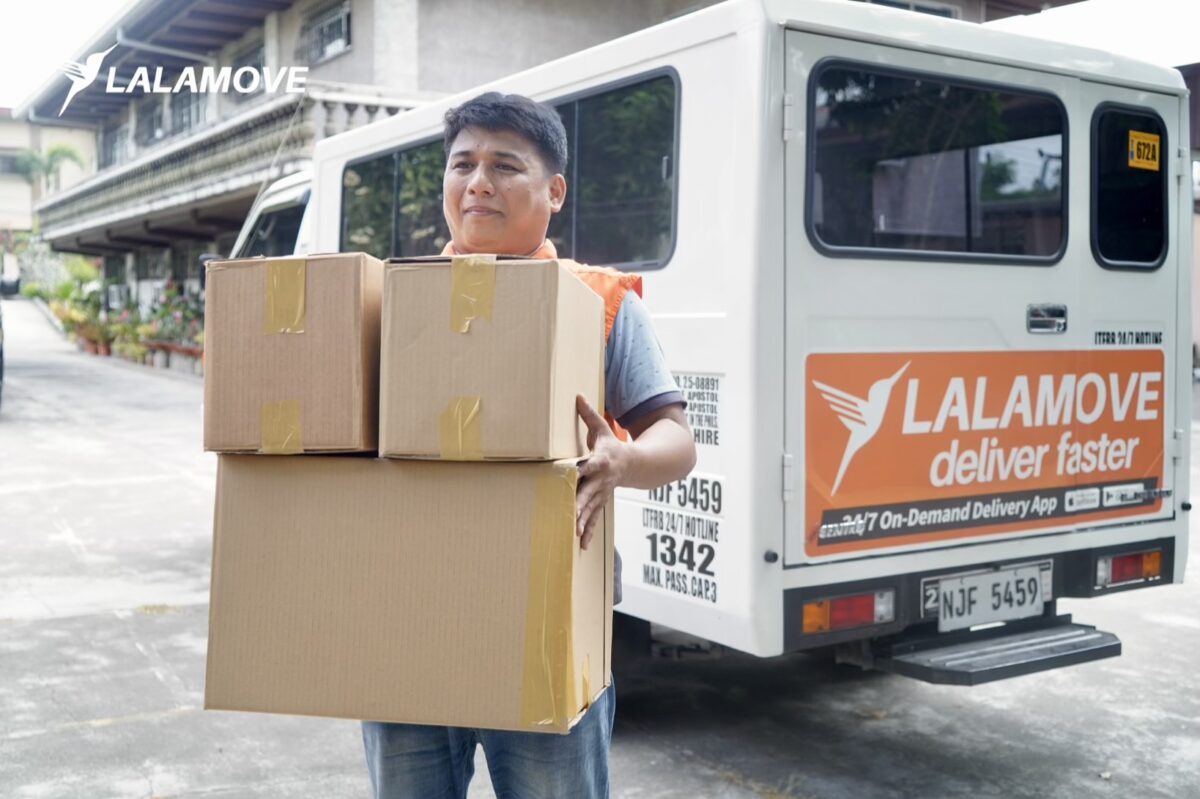
For Lalamove partner drivers, these errands have become part of the Flores de Mayo season itself. One trip may involve delicate floral arrangements, another may require transporting speakers, decorations, or crates of supplies across cities. Different vehicle options, from motorcycles and sedans to larger vans and trucks, help organizers manage both urgent and bulkier deliveries throughout the celebration period.
Lalamove Philippines Managing Director Djon Nacario said the company’s role is not to replace the hard work of communities, but to support the people already doing it.
“Flores de Mayo is carried by the people who prepare for it — the organizers, volunteers, vendors, and families,” Nacario shared. “Our role is to help make sure the things they need arrive safely and on time so the celebration can come together the way the community intended.”
Despite tighter budgets and rising costs, many communities continue to preserve the tradition through shared effort and cooperation. And amid the pressure of preparation, moments of joy still emerge — a sagala seeing her finished gown for the first time, families watching decorations go up, or bands rehearsing beneath streetlights as May approaches.
The flowers are already being arranged. The gowns are nearly finished. Across Luzon, communities continue preparing for another Flores de Mayo season — one delivery, one rehearsal, and one shared effort at a time.



Loading…