 Village Connect
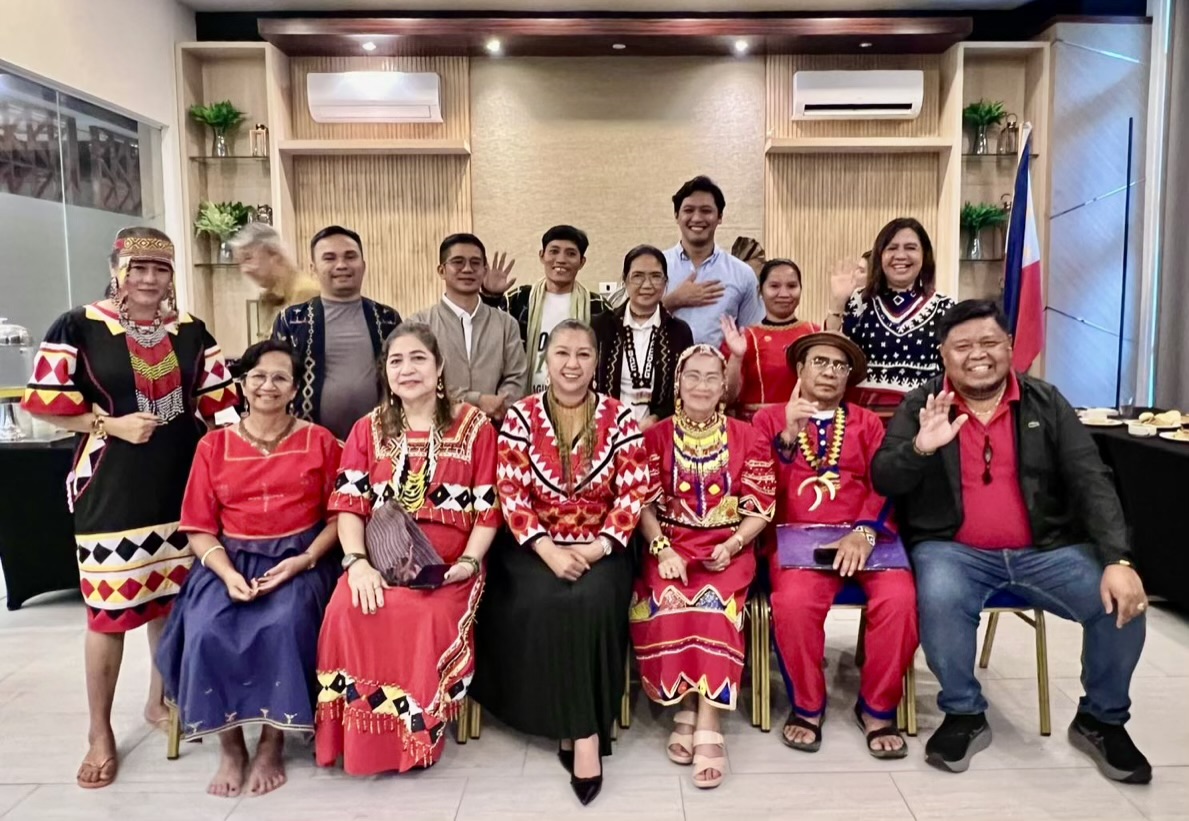
Meaningful development begins with understanding, dialogue, and collaboration. This principle was at the heart of POWER101, a two-day learning and exposure program organized by SN Aboitiz Power (SNAP) in Baguio City, bringing together Indigenous Peoples (IP) leaders, community representatives, members of the Tribal Communities Association of the Philippines, and other stakeholders from across the country.
Designed as an educational initiative, POWER101 aims to help communities better understand the Philippine energy sector and its role in supporting economic growth, national development, and community progress. More importantly, the program serves as a platform for building stronger relationships between the power industry and Indigenous Cultural Communities through education, engagement, and mutual respect.
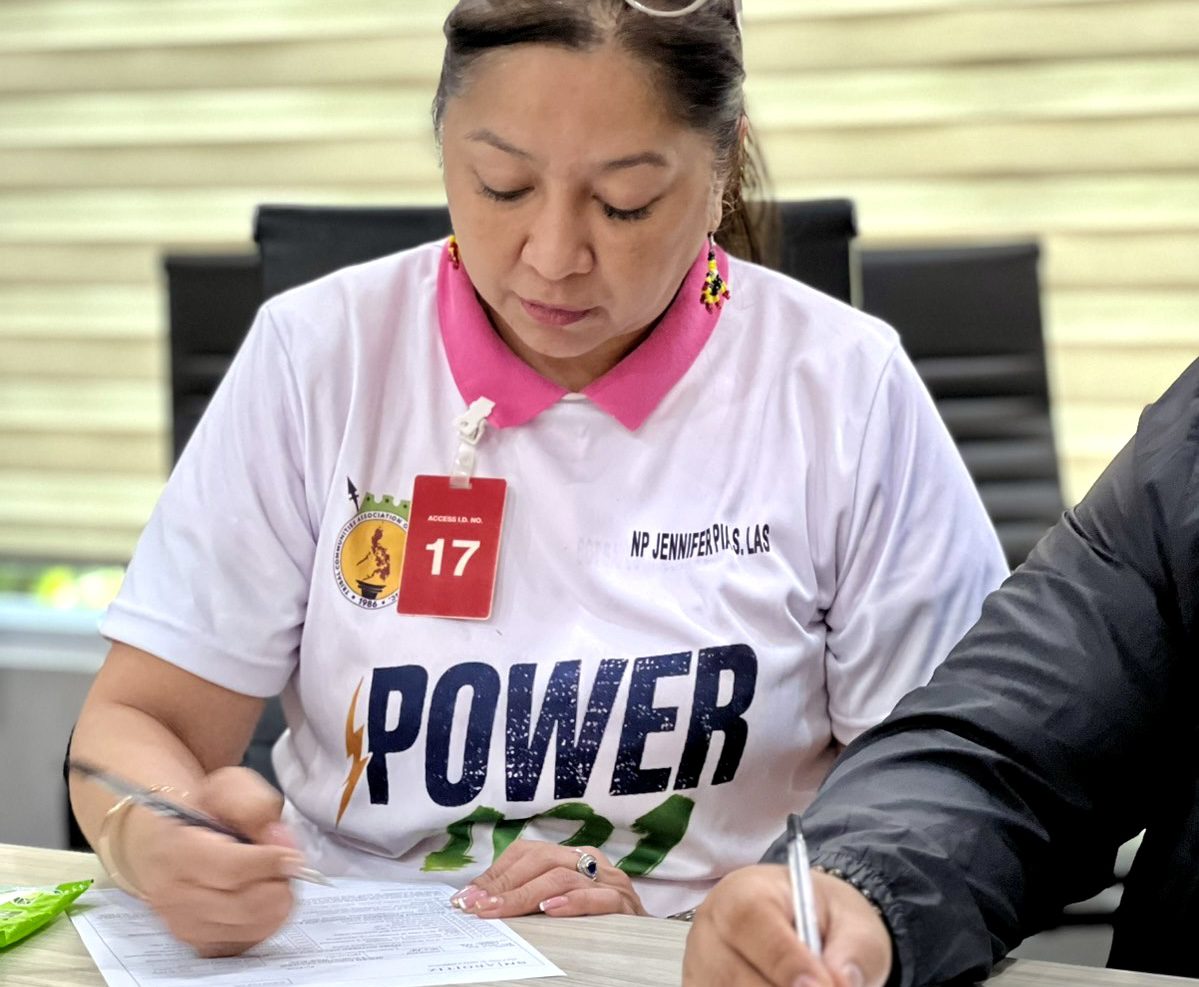
The first day focused on providing participants with a deeper appreciation of how the country’s power sector operates. Through a series of learning sessions, SNAP representatives discussed the nation’s energy landscape, including regulatory processes, power generation systems, and the implementation of the Electric Power Industry Reform Act (EPIRA). The discussions offered valuable insights into how energy infrastructure contributes to the country’s development and how communities can actively participate in conversations surrounding energy projects and policies.
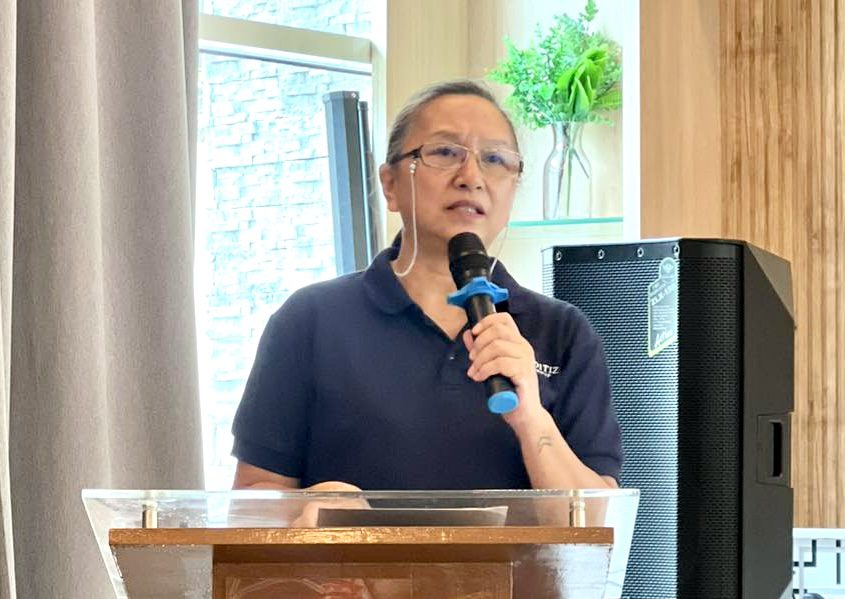
Participants were also introduced to the importance of balancing development goals with the protection of Indigenous Peoples’ rights and interests. These discussions highlighted the need for continuous engagement between stakeholders to ensure that development initiatives remain inclusive and responsive to the needs of local communities.
A key highlight of the program was a session on cultural sensitivity, which underscored the importance of recognizing and respecting Indigenous traditions, values, and customary practices. The discussion emphasized that successful partnerships are built not only on shared objectives but also on a genuine appreciation of cultural heritage and identity. Through open dialogue, participants explored ways to strengthen cooperation while preserving the unique traditions of Indigenous communities.
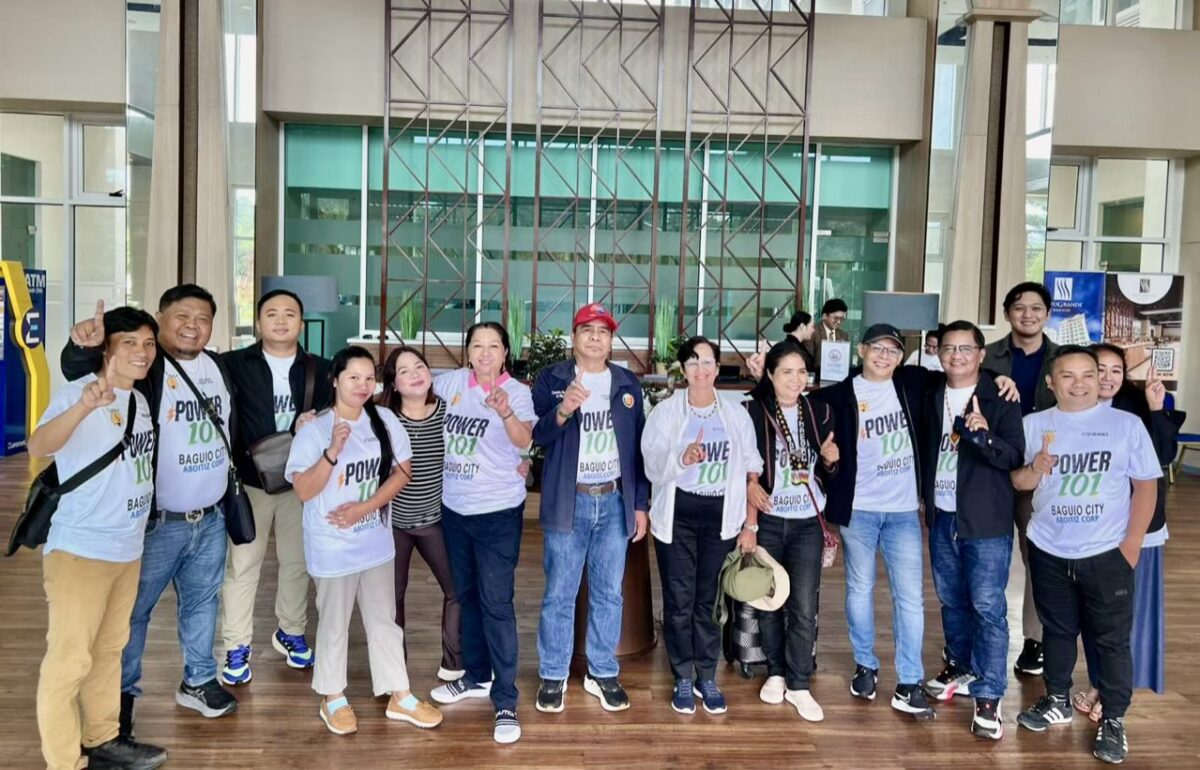
The learning sessions concluded with an interactive forum where participants exchanged ideas, raised concerns, and shared experiences. The conversations fostered a deeper understanding of both the opportunities and challenges surrounding energy development in Indigenous territories. A fellowship dinner later provided an informal setting for participants and organizers to continue conversations and build stronger personal connections.
On the second day, participants traveled to the Ambuklao Hydroelectric Power Plant, one of SNAP’s major renewable energy facilities in Benguet. Following a comprehensive safety orientation, attendees were given a guided tour of the plant, allowing them to witness firsthand how hydropower contributes to the country’s energy supply.
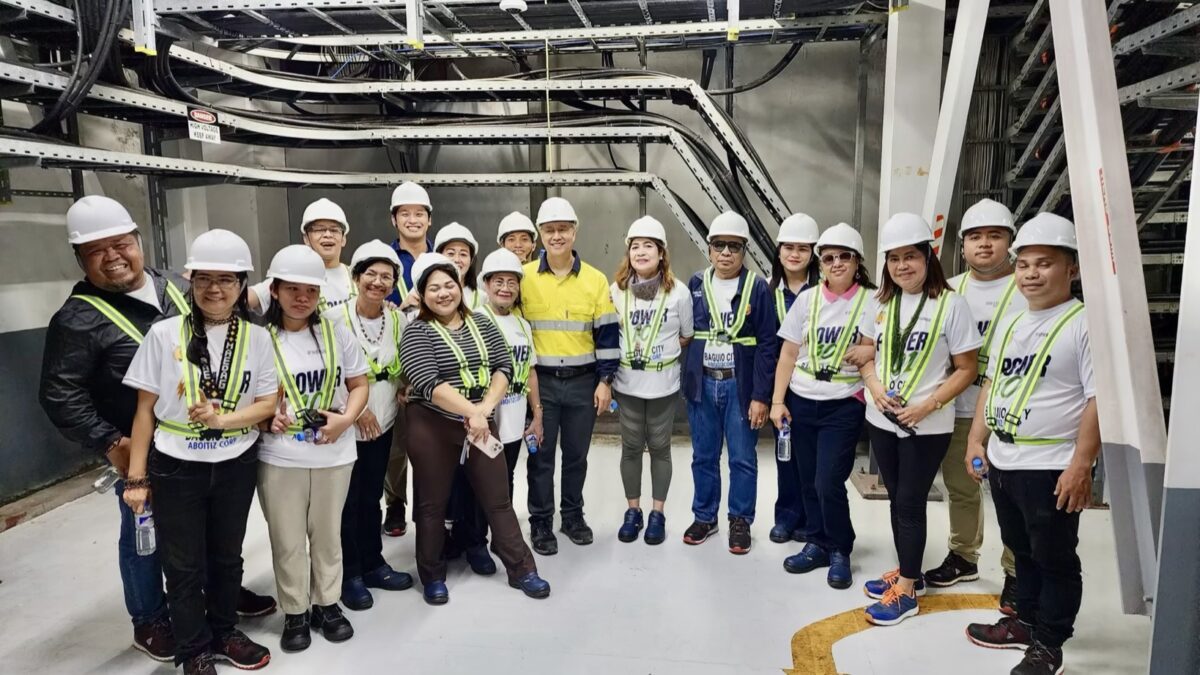
The visit offered a closer look at renewable energy operations, environmental management practices, and sustainability initiatives implemented by the facility. For many participants, the experience provided a practical understanding of how clean energy projects operate while balancing environmental stewardship and community engagement.
The POWER101 initiative traces its roots to a proposal developed in 2025 through the collaborative efforts of Indigenous leaders and advocates who envisioned a platform where Indigenous Cultural Communities and energy stakeholders could learn from one another. After nearly a year of planning and coordination, the program became a reality through the commitment and support of SNAP and its partners.
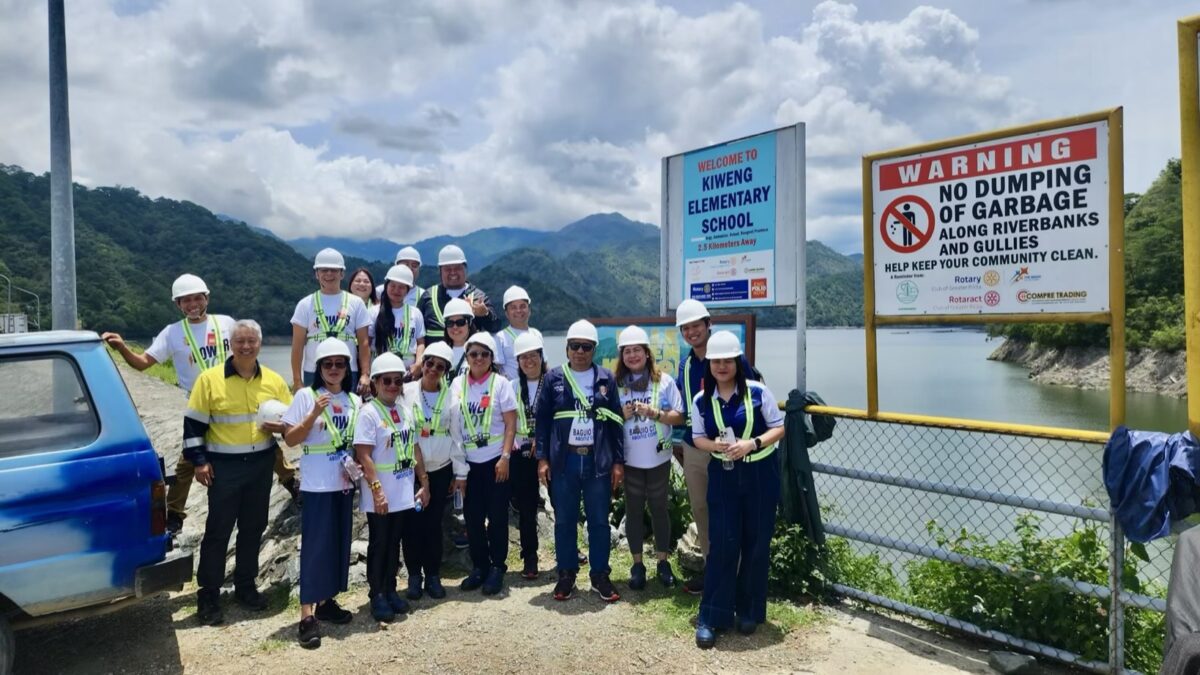
The strong participation of Indigenous leaders from different regions reflected a shared commitment to fostering trust, strengthening partnerships, and encouraging informed discussions about responsible development. By creating spaces for education, dialogue, and collaboration, POWER101 demonstrated how meaningful engagement can help bridge communities and industries while promoting sustainable growth that respects both progress and Indigenous Peoples’ rights.


Loading…