
 Village Connect
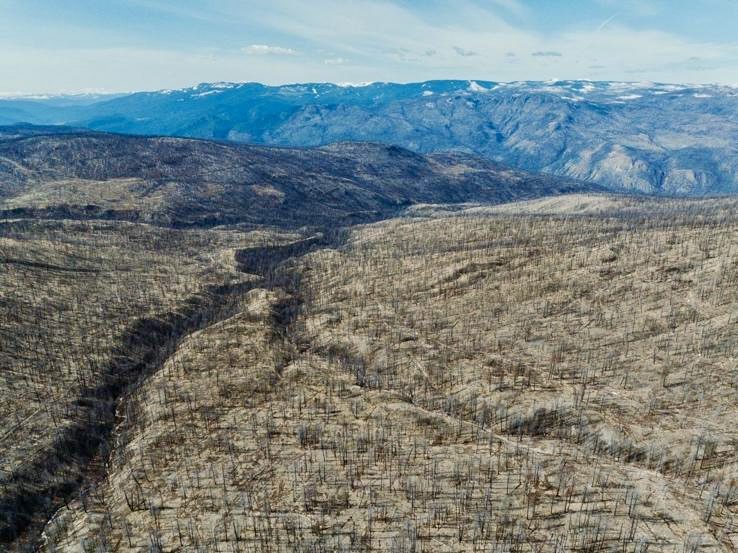
Manulife has unveiled a new global environmental initiative aimed at restoring forests and strengthening climate resilience across several regions of the world. Called Manulife Impact Forests, the program establishes a network of restoration sites designed not only to rebuild natural ecosystems but also to create meaningful opportunities for communities living near these landscapes.
At the heart of the initiative is a collaboration with veritree, a technology company that specializes in verified nature restoration. Through this partnership, Manulife is introducing veritree’s advanced Smart Forest technology into its reforestation programs. The move places Manulife among the first corporate organizations to adopt this digital platform for large-scale restoration efforts. It also marks the first time the technology is being deployed in Asia, with projects already underway in Japan and the Philippines.
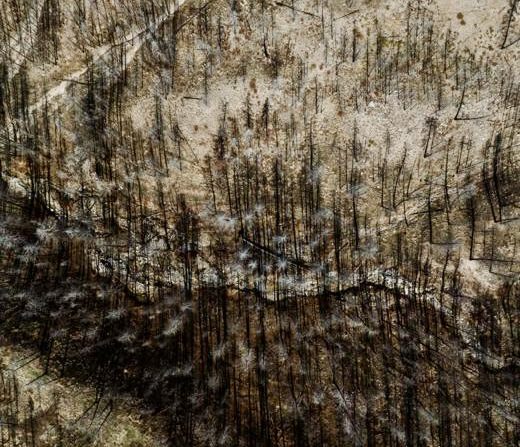
Smart Forest technology integrates several layers of scientific monitoring to guide the long-term success of restoration projects. Satellite imagery provides aerial mapping of planting sites, while ground-level data and bioacoustic monitoring help track the health of ecosystems over time. This approach ensures that restoration areas are carefully mapped and that the tree species selected are suited to the local environment. By combining technology and ecological expertise, the system aims to build forests that are resilient, diverse, and capable of supporting wildlife and surrounding communities.
Through veritree’s platform, each Manulife Impact Forest site can be monitored throughout the entire life cycle of the project. The digital system offers real-time insights into planting progress and environmental outcomes, creating a transparent record of restoration activities. This allows stakeholders to see tangible results such as the amount of carbon captured, the number of hectares restored, improvements in biodiversity, and the social benefits generated through employment and education opportunities.
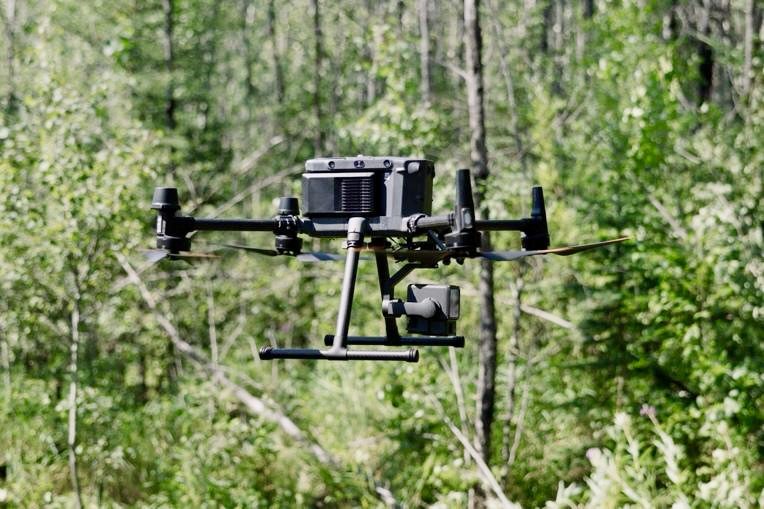
The global network of Impact Forests currently spans several countries, including Canada, the United States, Cambodia, Japan, and the Philippines. Collectively, these projects have already restored more than 160 hectares of land, an area roughly comparable to over 8,000 tennis courts. Across these sites, more than 185,000 trees have been planted as part of Manulife’s broader sustainability strategy.
According to Ariel Kangasniemi, Manulife’s Global Chief Sustainability Officer, the initiative reflects the company’s belief that environmental well-being and human well-being are closely connected. By combining innovation with environmental stewardship, the company aims to support both healthy ecosystems and thriving communities.
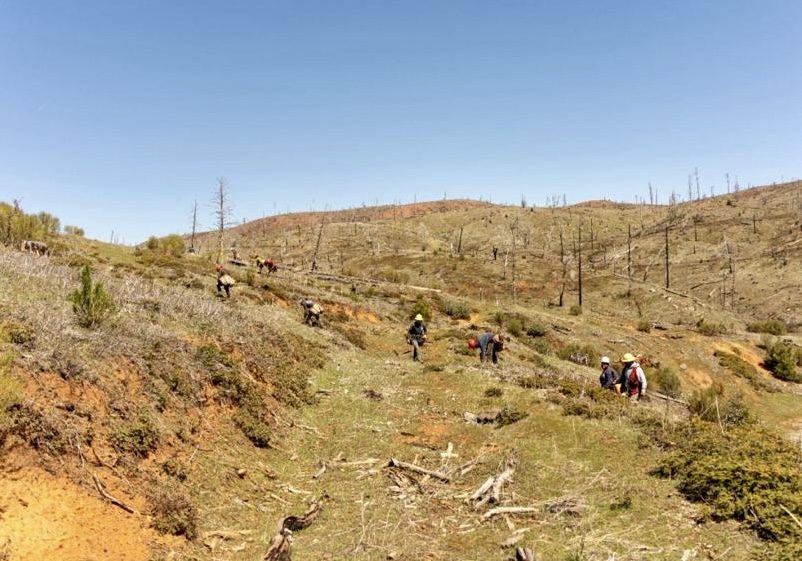
In the Philippines, the initiative builds on Manulife’s ongoing partnership with the Haribon Foundation, one of the country’s leading environmental organizations. Together, they have been implementing reforestation programs that prioritize native tree species while encouraging strong participation from local communities. These projects focus on restoring both terrestrial and coastal ecosystems, which are essential for biodiversity and climate resilience.
Through the integration of Smart Forest technology, the native trees planted by Haribon for Manulife will now be digitally monitored to track growth patterns, carbon capture, and ecological impact. By the end of 2025, more than 31,000 trees and coastal plants had already been planted across various restoration sites in the Philippines.
For Manulife Philippines President and CEO Rahul Hora, the initiative is especially significant given the country’s vulnerability to climate-related challenges. Strengthening natural ecosystems, he said, plays a crucial role in protecting communities while ensuring that future generations inherit a healthier environment.
With Manulife Impact Forests now taking root across continents, the company hopes to demonstrate how technology, collaboration, and environmental responsibility can work together to restore nature at scale—one forest at a time.


Loading…