
 Village Connect
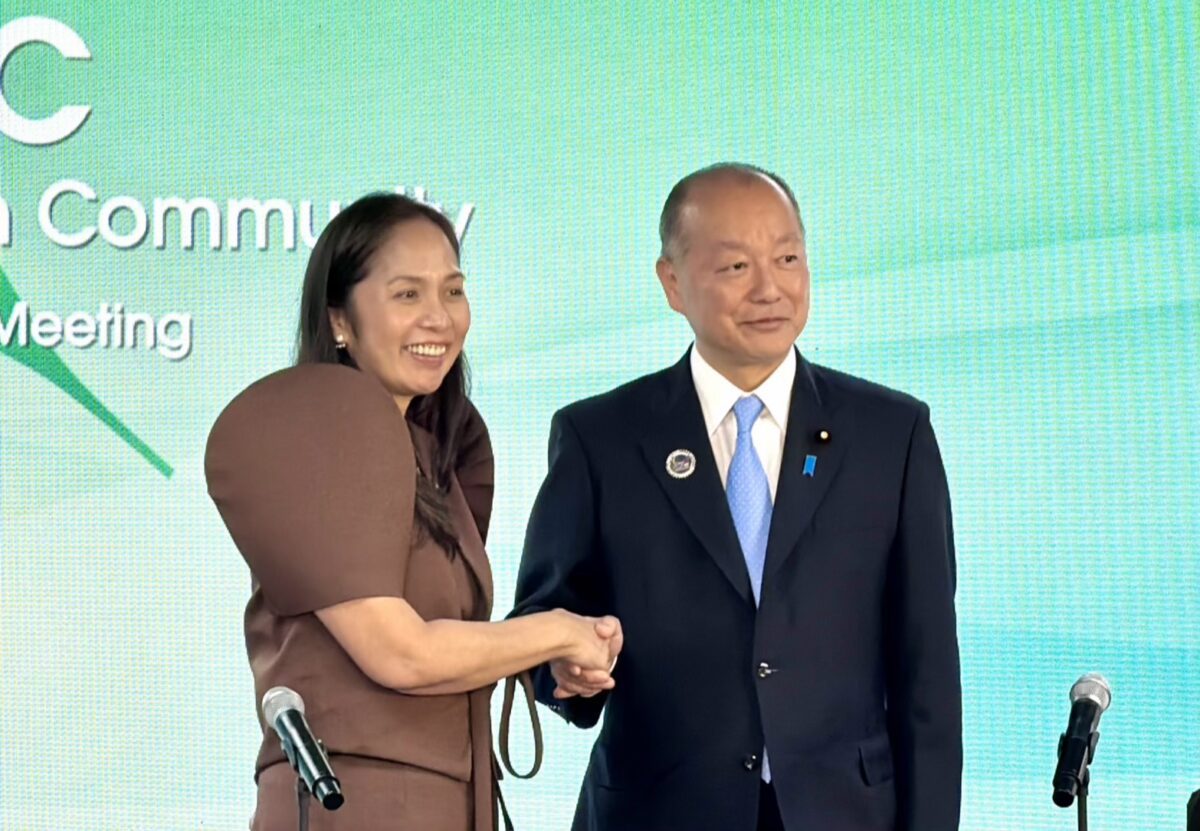
MANILA, Philippines — The Philippines and Japan have reaffirmed their commitment to building a more secure, resilient, and sustainable energy future for Asia as government leaders gathered for the Asia Zero Emission Community (AZEC) Ministerial Meeting on October 8, 2026.
Department of Energy (DOE) Secretary Sharon S. Garin and Japan’s State Minister of Economy, Trade and Industry Takagi Kei highlighted the importance of regional cooperation in addressing energy supply disruptions, accelerating decarbonization, and supporting economic development.
Speaking during the event, Garin emphasized that energy cooperation must deliver meaningful benefits to ordinary citizens, particularly Filipino families, communities, and businesses that depend on affordable and uninterrupted electricity.

“The Philippines is dedicated to pursuing an energy system that delivers reliable and affordable power to our communities, supports industries and creates quality jobs, while expanding the use of cleaner and more sustainable energy sources,” Garin said.
She stressed that strengthening energy security has become increasingly urgent amid disruptions in global energy markets, particularly those affecting critical petroleum supply routes.
One of the meeting’s significant outcomes was the adoption of an AZEC ministerial work program aimed at strengthening oil stockpiling capabilities, improving emergency preparedness, and enhancing cooperation among participating countries.
For the Philippines, which remains heavily dependent on imported petroleum, Garin said stronger oil reserves could help minimize the impact of international supply interruptions.
“Strengthening our oil stockpiling capabilities will help us better prepare for supply emergencies, manage the effects of global market disruptions, and protect the availability of fuel essential to transport,” she explained.
During the media briefing, Garin also disclosed that the Philippines is studying the possibility of establishing a regional petroleum stockpiling facility through cooperation with Japan and other energy partners.
The initiative could strengthen the country’s strategic role in regional energy security while improving its preparedness against future supply emergencies.
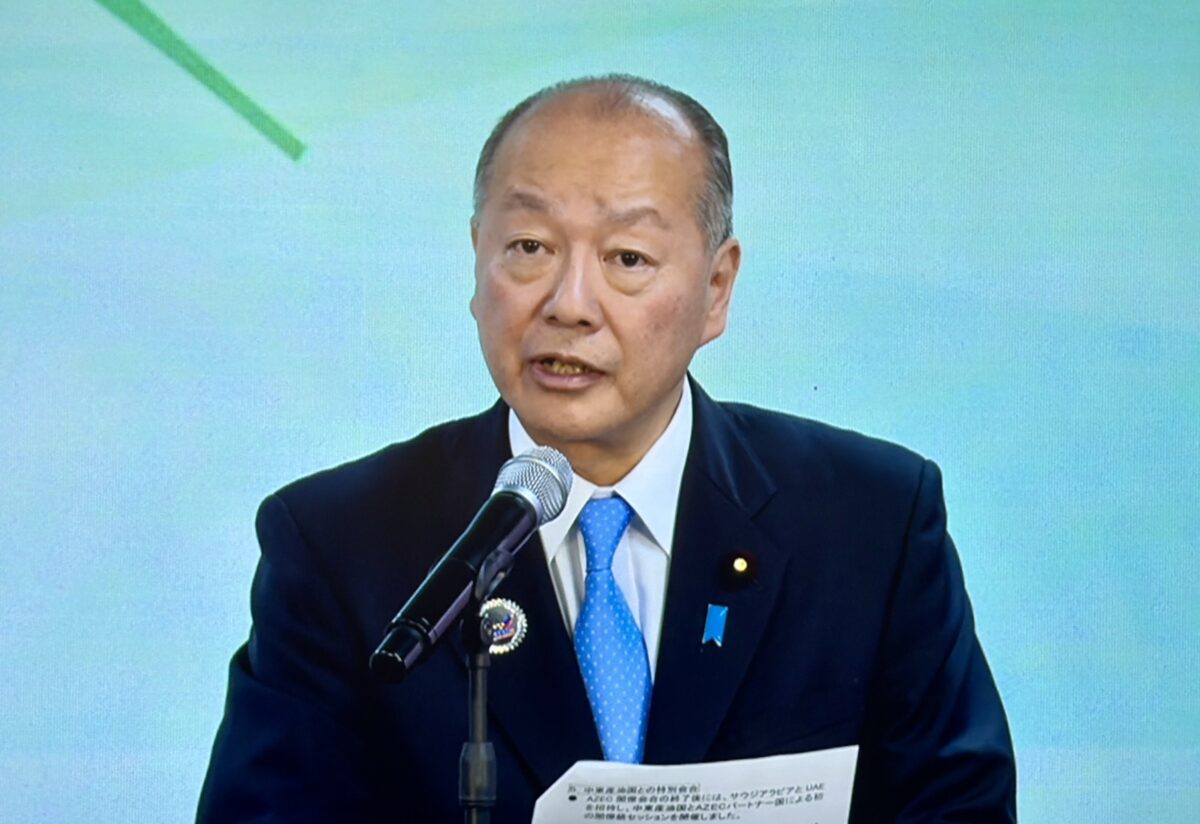
Meanwhile, Japan’s Takagi Kei underscored the growing importance of AZEC as Asian economies confront the simultaneous challenges of energy security, economic growth, and decarbonization.
“As uncertainty in the international energy situation grows, Asia faces the difficult challenge of ensuring energy security while simultaneously pursuing economic growth and decarbonization,”Takagi said.
He explained that participating countries agreed to strengthen oil stockpiling infrastructure, cooperate with petroleum-producing nations, and coordinate emergency responses.
Japan also expressed support for diversified energy pathways involving renewable energy, natural gas, biofuels, nuclear power, and improved energy efficiency.
Takagi reported that approximately 70 new memoranda of understanding were concluded during the latest discussions, bringing the cumulative number of cooperation projects to more than 600.
He also highlighted the participation of Saudi Arabia and the United Arab Emirates in a ministerial-level dialogue focused on strengthening Asia’s petroleum supply resilience.
Beyond oil security, the discussions covered cross-border electricity trading, renewable energy certificates, battery storage technologies, carbon capture initiatives, and sustainable energy management.
Garin emphasized that ASEAN countries possess different energy resources and development priorities, making regional cooperation essential to maximizing their respective strengths.
She noted that countries could benefit from sharing renewable energy resources, including hydropower and geothermal energy, through stronger regional connectivity.
As the Philippines concludes its ASEAN chairship in 2026, Garin reaffirmed the country’s commitment to practical partnerships that translate regional agreements into tangible improvements in people’s lives.
“We will continue pursuing practical partnerships that translate our shared commitments into tangible benefits for our economies and, most importantly, for the people we serve,” she said.
The meeting reinforced a common message: Asia’s energy transition must balance environmental responsibility with affordable electricity, reliable fuel supplies, economic opportunities, and long-term regional stability.


Loading…