
 Village Connect
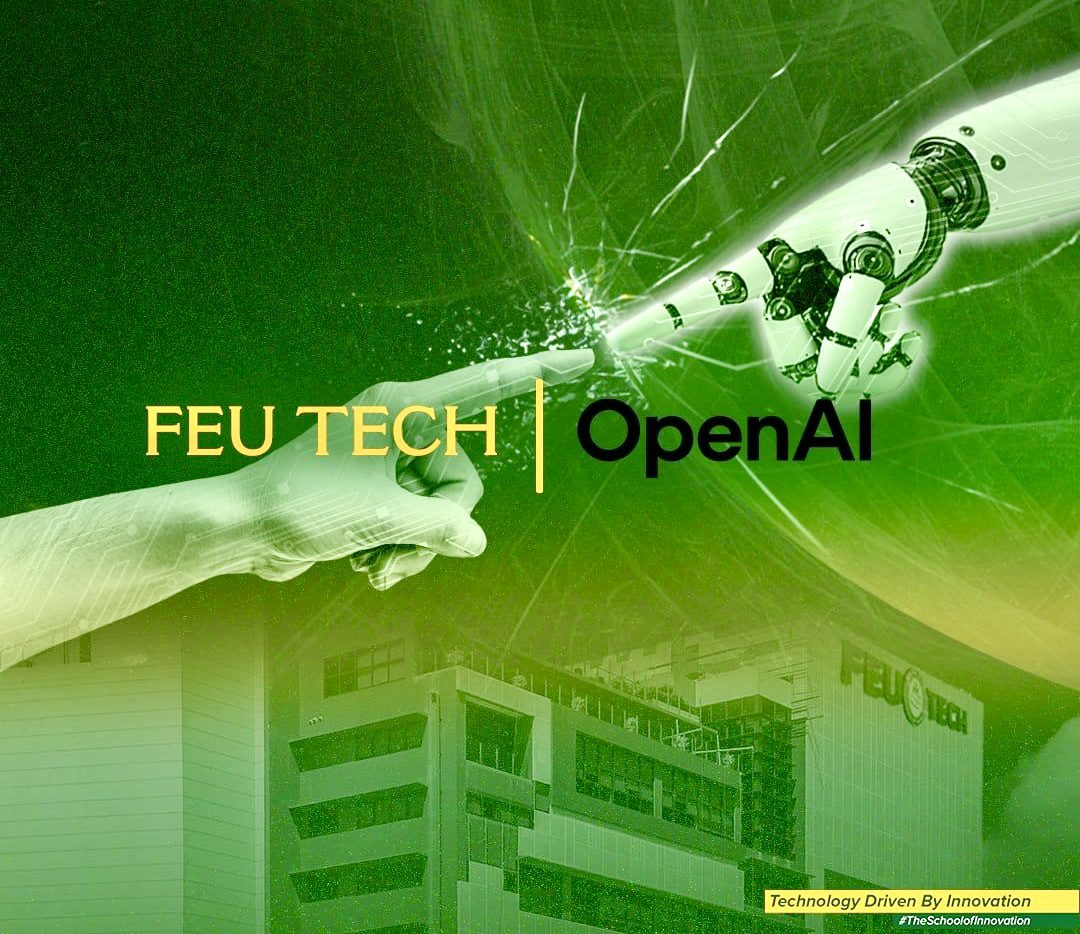
As artificial intelligence continues to transform industries worldwide, educational institutions are being challenged to rethink how they prepare students for an increasingly technology-driven future. Rising to this challenge, the Far Eastern University Institute of Technology (FEU Tech) has announced a major collaboration with OpenAI aimed at embedding artificial intelligence across learning, research, administration, and student services.
The initiative marks a significant milestone in FEU Tech’s ongoing commitment to innovation, positioning the institution among the first universities in the Philippines to pursue a comprehensive AI-native approach to higher education.
Through the collaboration, more than 14,000 students, faculty members, and staff will gain access to OpenAI’s enterprise-level technologies, including ChatGPT Edu and Codex. These tools will be integrated throughout the university ecosystem to support academic excellence, operational efficiency, and future workforce readiness.
According to FEU Tech Senior Executive Director Benson Tan, the partnership reflects the university’s commitment to shaping how artificial intelligence can be responsibly adopted in higher education rather than simply responding to technological trends.
“AI is no longer an optional skill for students or faculty. The opportunity here is leadership,” Tan said. “We are not reacting to AI. We are defining how AI is used responsibly in Philippine higher education.”
As a university known for its strong focus on technology and innovation, FEU Tech sees artificial intelligence as a key component in preparing students for emerging industries and evolving workplace demands. The institution plans to integrate AI across every stage of the student experience, from enrollment and academic support to career preparation and lifelong learning.
Within classrooms, students will have access to AI-powered learning environments designed to complement traditional instruction. Faculty members will guide the responsible use of these technologies while ensuring academic integrity, data privacy, and educational quality remain central to the learning process.
The university is also developing several AI-driven initiatives that aim to enhance student learning outcomes. These include an AI Tutor powered by faculty-created course content, AI-assisted classrooms designed to encourage interactive learning, and AI Skills Assessment tools that can help identify knowledge gaps and recommend personalized learning pathways.
In addition, AI-powered student success systems will provide faculty advisers and support teams with insights that can help identify academic challenges earlier, enabling timely interventions and stronger student support.
Beyond academics, FEU Tech intends to utilize artificial intelligence to improve campus operations and administrative processes. Specialized AI systems are being explored for use in admissions, enrollment management, curriculum development, human resources, records management, analytics, and institutional planning.
By automating repetitive tasks and streamlining workflows, these tools are expected to allow educators and staff to focus more on mentorship, innovation, and student engagement.
OpenAI Managing Director Oliver Jay highlighted the importance of educational institutions in preparing future generations for an AI-driven economy.
“FEU Tech is taking an ambitious and forward-looking step by embedding AI across learning, campus operations, and student outcomes,” Jay said.
The collaboration will also provide students with opportunities to participate in workshops, hackathons, build days, and training programs conducted alongside OpenAI. These activities will expose learners to real-world AI applications, emerging industry practices, and potential career opportunities within the growing artificial intelligence ecosystem.
As AI continues to reshape the future of work, FEU Tech’s latest initiative reflects a broader vision of education—one that empowers students not only to use advanced technologies but also to understand, innovate, and lead in a rapidly evolving digital world.



Loading…