
 Village Connect
As policymakers continue to explore measures aimed at reducing sodium consumption among Filipinos, health experts are urging a more balanced and evidence-driven conversation—one that recognizes both the risks of excessive intake and the essential role sodium plays in everyday health.
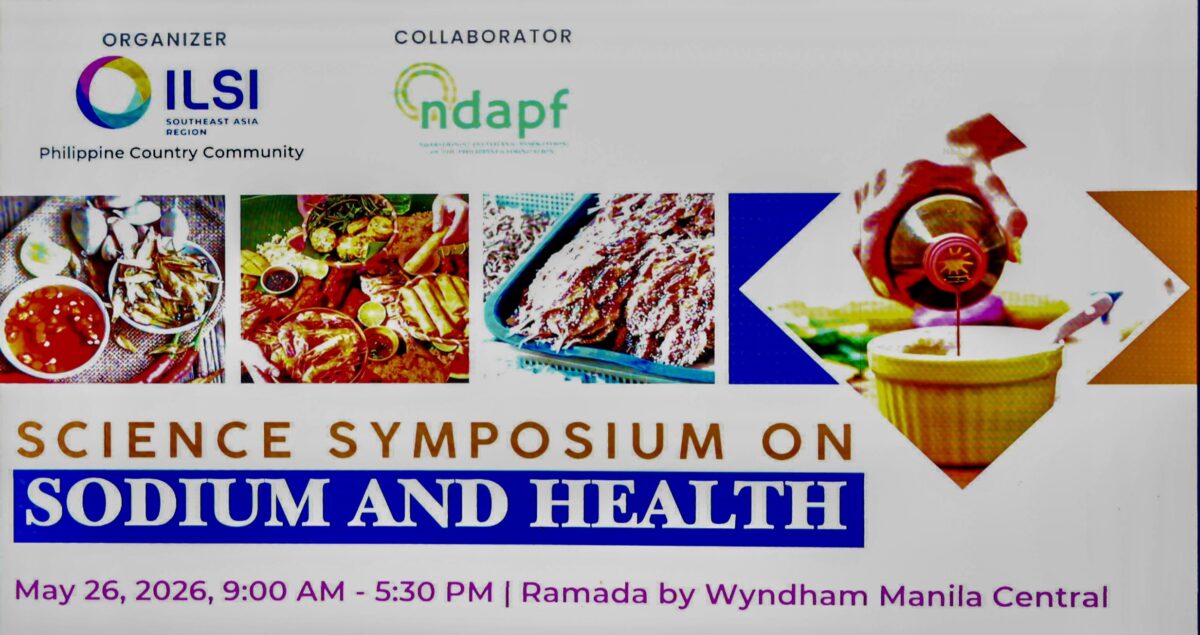
This perspective took center stage during the Scientific Symposium on Sodium and Health held on May 26, 2026, at the Ramada by Wyndham Manila Central in Binondo. Organized by the International Life Sciences Institute Southeast Asia Region (ILSI-SEAR) Philippine Country Community in partnership with the Nutritionist-Dietitians’ Association of the Philippines Foundation, the gathering brought together researchers, nutrition experts, healthcare professionals, and food industry representatives to examine the realities behind sodium consumption.
The symposium comes at a time when legislative initiatives such as the proposed Iwas Alat, Iwas Sakit Bill are gaining attention. While many support efforts to address hypertension and cardiovascular diseases, experts emphasized that effective public health policies must be grounded in science, local realities, and consumer behavior rather than broad restrictions alone.
Dr. Celeste Tanchoco, Scientific Coordinator of ILSI Philippines and retired Scientist III of the Department of Science and Technology, highlighted sodium’s fundamental role in maintaining fluid balance, supporting nerve function, and enabling proper muscle activity. However, she also acknowledged that excessive intake remains a major health concern linked to hypertension, kidney disease, and other chronic illnesses.

The challenge, experts noted, lies in finding the right balance.
International researchers shared emerging findings suggesting that the relationship between sodium and health may be more nuanced than previously believed. Dr. Andrew Mente of McMaster University’s Population Health Research Institute explained that recent studies have sparked discussions about a possible optimal range of sodium intake, where moderate consumption may offer better outcomes than either extremely low or excessively high levels.
He pointed out that scientific understanding evolves over time and that policy frameworks often take years to reflect new evidence. This is particularly relevant in the Philippines, where comprehensive local data on sodium intake remains limited. Much of the country’s guidance continues to rely on international benchmarks that may not fully capture Filipino dietary habits and cultural practices.
According to Prof. Rachel McLean of the University of Otago in New Zealand, effective interventions should begin with understanding how communities actually eat. She emphasized that nutrition strategies must be tailored to local consumption patterns rather than copied from policies implemented elsewhere.
Beyond science, experts also explored the social and cultural realities influencing food choices.
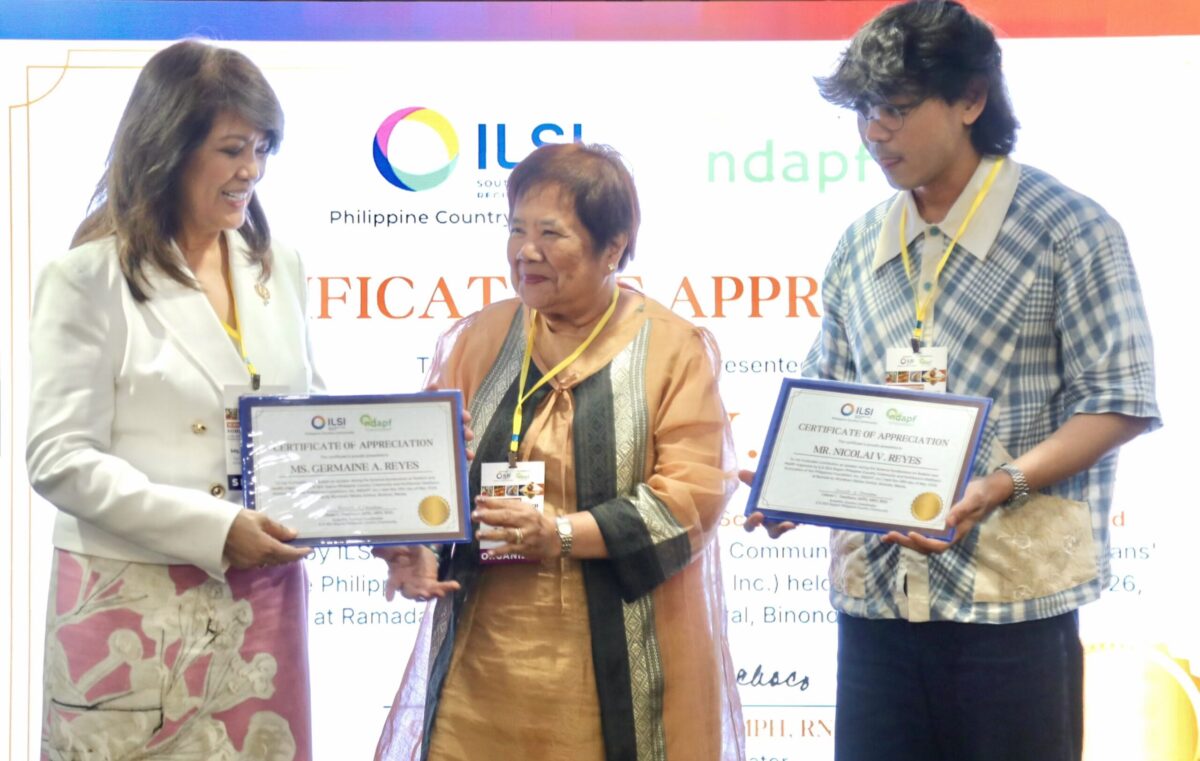
Nico V. Reyes, Co-Founder and President of Rebel Marketing Philippines, noted that sodium consumption in the country is deeply intertwined with affordability, convenience, tradition, and family habits. Classic Filipino meals often feature ingredients such as dried fish, salted eggs, and fish sauce—not only because of taste preferences but also because they remain practical and accessible for many households.
Reyes cautioned against public campaigns that rely heavily on prohibition. Instead, he advocated for empowering consumers through education and clearer food information. Front-of-pack nutrition labels can help guide decisions, he said, but lasting behavior change happens when consumers understand and embrace healthier choices rather than feel restricted by them.
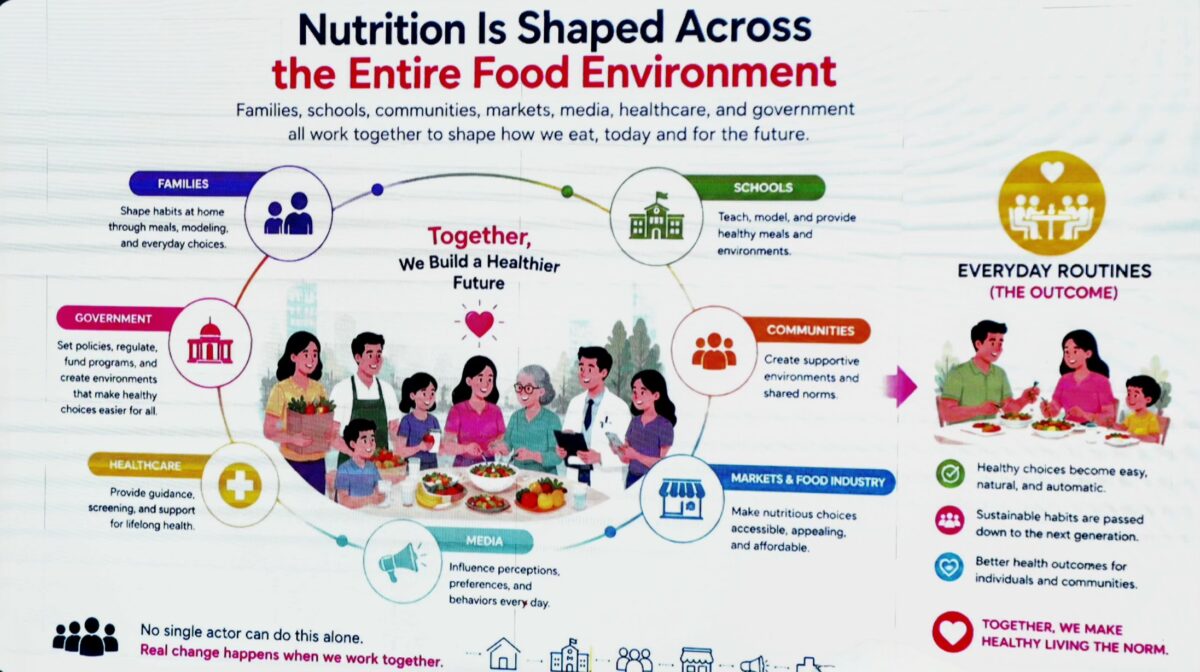
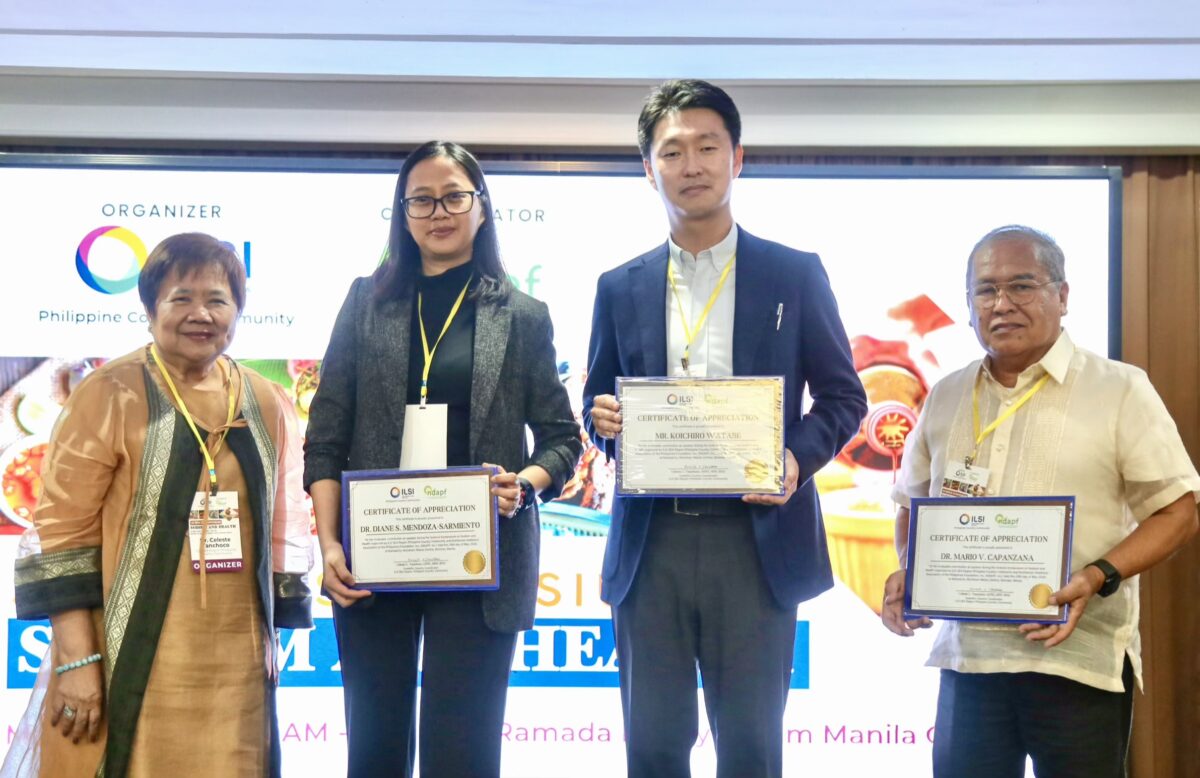
For food manufacturers, the issue is equally complex. Sodium contributes not only to flavor but also to food safety, texture, and shelf stability. Dr. Mario Capanzana, Executive Director of the Philippine Chamber of Food Manufacturers, stressed that improving nutrition outcomes requires collaboration among government agencies, schools, health advocates, and industry stakeholders.
Ultimately, participants agreed that reducing health risks associated with sodium will require more than legislation alone. Success will depend on informed consumers, evidence-based policies, and sustained education efforts that help Filipinos make healthier choices while respecting the realities of local diets and lifestyles.



Loading…