
 Village Connect
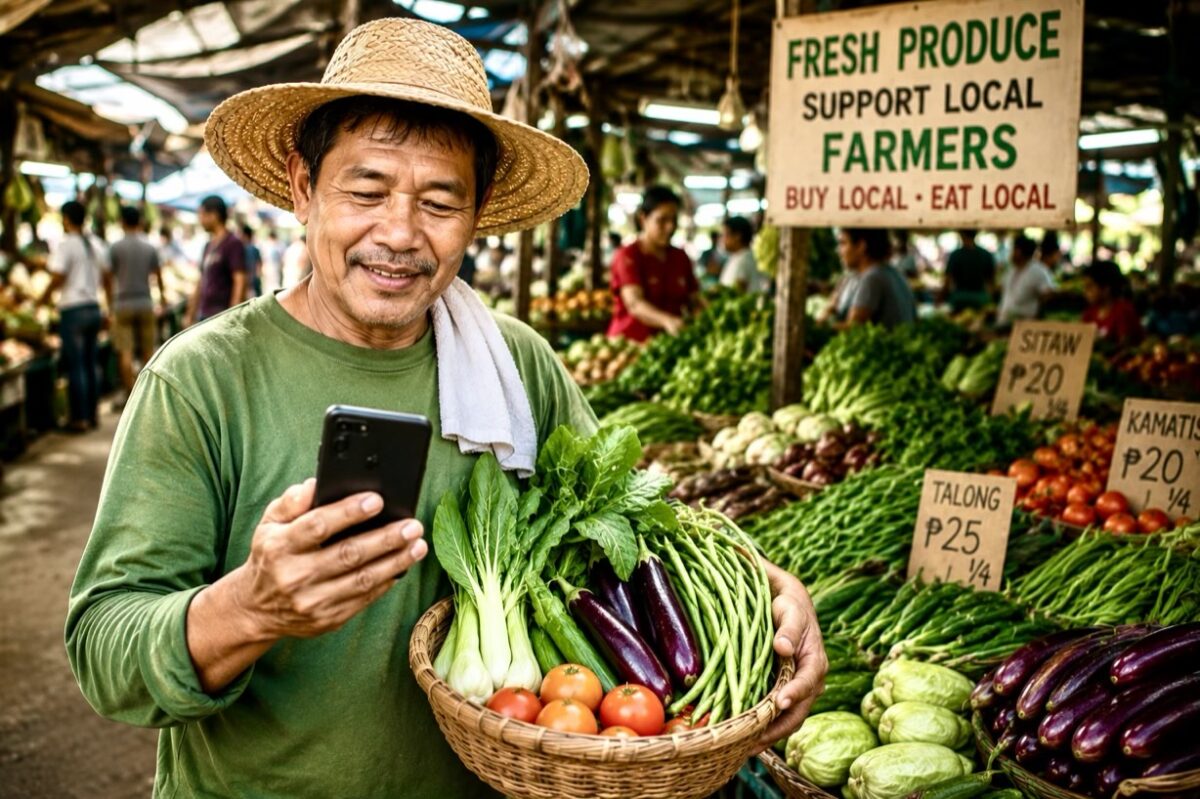
For generations, the journey of farm produce in the Philippines has followed a familiar path. Vegetables harvested in Benguet, fruits grown in Mindanao, and livestock raised in provincial communities often pass through a long chain of traders, wholesalers, distributors, and retailers before reaching dining tables in Metro Manila and other urban centers.
This traditional system has played a vital role in feeding millions of Filipinos. Yet as consumer expectations evolve and technology becomes increasingly integrated into daily life, a new model is beginning to emerge—one that is transforming how farmers and buyers connect.
Across the country, online agricultural marketplaces are creating new opportunities for direct trade, allowing farmers, agribusinesses, restaurants, and households to engage with one another through digital platforms. These marketplaces are helping bridge geographical gaps, increase transparency, and provide greater access to agricultural products without the limitations of traditional sourcing methods.
A New Chapter for Agricultural Commerce
Agriculture remains one of the pillars of the Philippine economy. Millions of Filipinos rely on farming, livestock raising, fisheries, and related industries for their livelihoods. However, many farmers continue to face challenges when it comes to reaching buyers beyond their local communities.
In the past, growers often depended on middlemen to distribute their products. While these intermediaries play an important role in the supply chain, they can also create layers of separation between producers and end-users. Buyers may have little knowledge about where their produce originates, while farmers may have limited visibility into market demand beyond their immediate area.
The rise of digital marketplaces is beginning to address this gap.
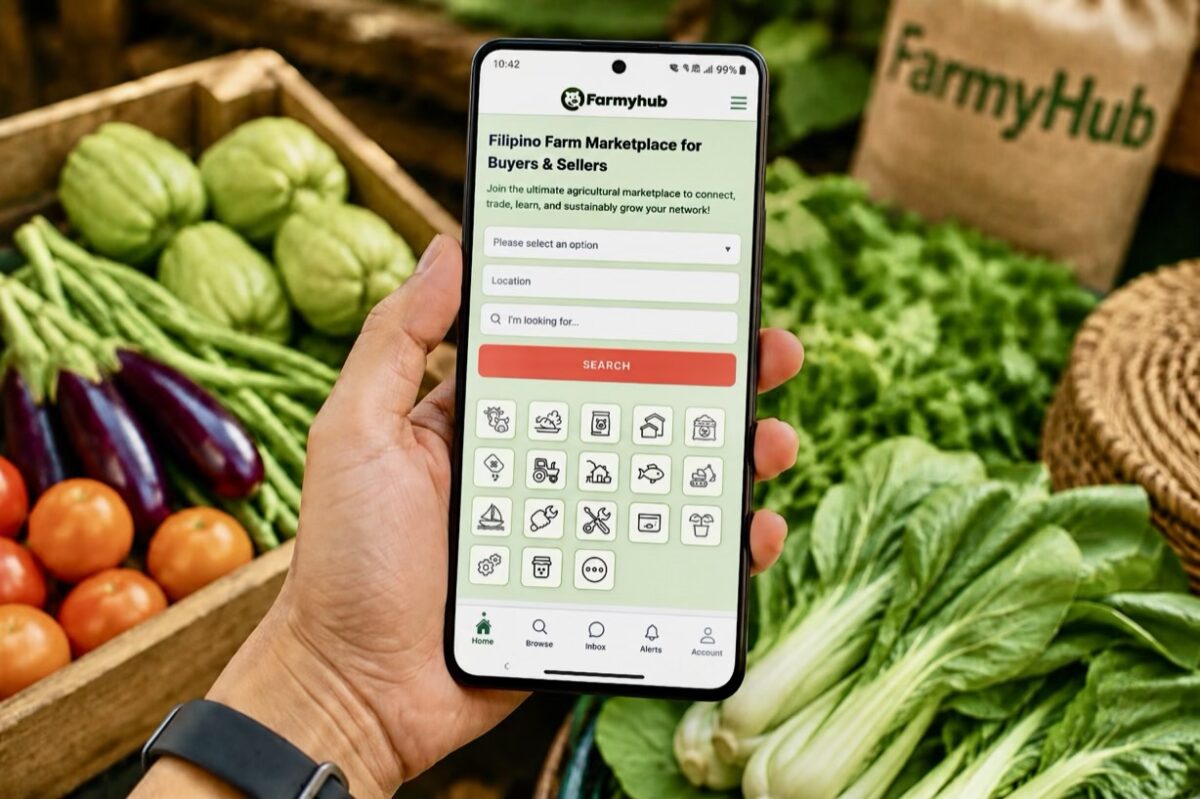
By bringing buyers and sellers together on a single platform, online agricultural marketplaces enable direct communication, product discovery, and sourcing opportunities that were once difficult to achieve. Through smartphones, tablets, and computers, users can now browse listings, compare suppliers, and explore products from different regions of the country without leaving their homes or businesses.
Making Farm Produce More Accessible
One of the most significant benefits of digital marketplaces is accessibility.
Today, a restaurant owner in Makati can search for vegetable suppliers from Central Luzon. A baker in Quezon City can compare egg producers from different provinces. A family in Pasig can browse fresh fruits sourced directly from growers in Mindanao or the Visayas.
This expanded access allows buyers to explore a wider range of options than what may be available through traditional channels alone.
For consumers, convenience is a major advantage. Fresh produce such as tomatoes, leafy greens, onions, root crops, and seasonal fruits can be discovered online with just a few clicks. Buyers can view product information, seller profiles, and available quantities before making inquiries or placing orders.
For food businesses, the impact can be even greater. Restaurants, catering companies, cafés, bakeries, and food processors often require consistent and reliable supply sources. Online platforms make it easier to identify multiple suppliers, compare offerings, and establish sourcing relationships that support business operations.
Beyond Fruits and Vegetables
While fresh produce remains a primary focus, many online agricultural marketplaces are expanding beyond fruits and vegetables.
A growing number now feature categories that include seeds, seedlings, fertilizers, animal feed, livestock, poultry products, farm equipment, and agricultural supplies. Some even offer farm-related real estate and agribusiness services.
This broader ecosystem creates a more comprehensive digital environment for agriculture, allowing different stakeholders within the industry to connect through a single platform.
Small-scale backyard gardeners can purchase planting materials. Livestock raisers can source feed and farming supplies. Entrepreneurs exploring agricultural ventures can access products and resources that support their operations.
The result is a more connected agricultural network that serves both producers and buyers.
Empowering Farmers Through Technology
For many farmers, digital marketplaces provide access to a much larger audience than traditional local markets can offer.
Instead of relying solely on buyers within their immediate vicinity, sellers can showcase products to potential customers across Luzon, Visayas, and Mindanao. This expanded visibility opens doors to new business opportunities and allows producers to present their offerings directly to interested buyers.
The growing use of smartphones among Filipino farmers has also contributed to this shift. Technology is becoming an increasingly valuable tool not only for communication but also for marketing, selling, and managing agricultural products.
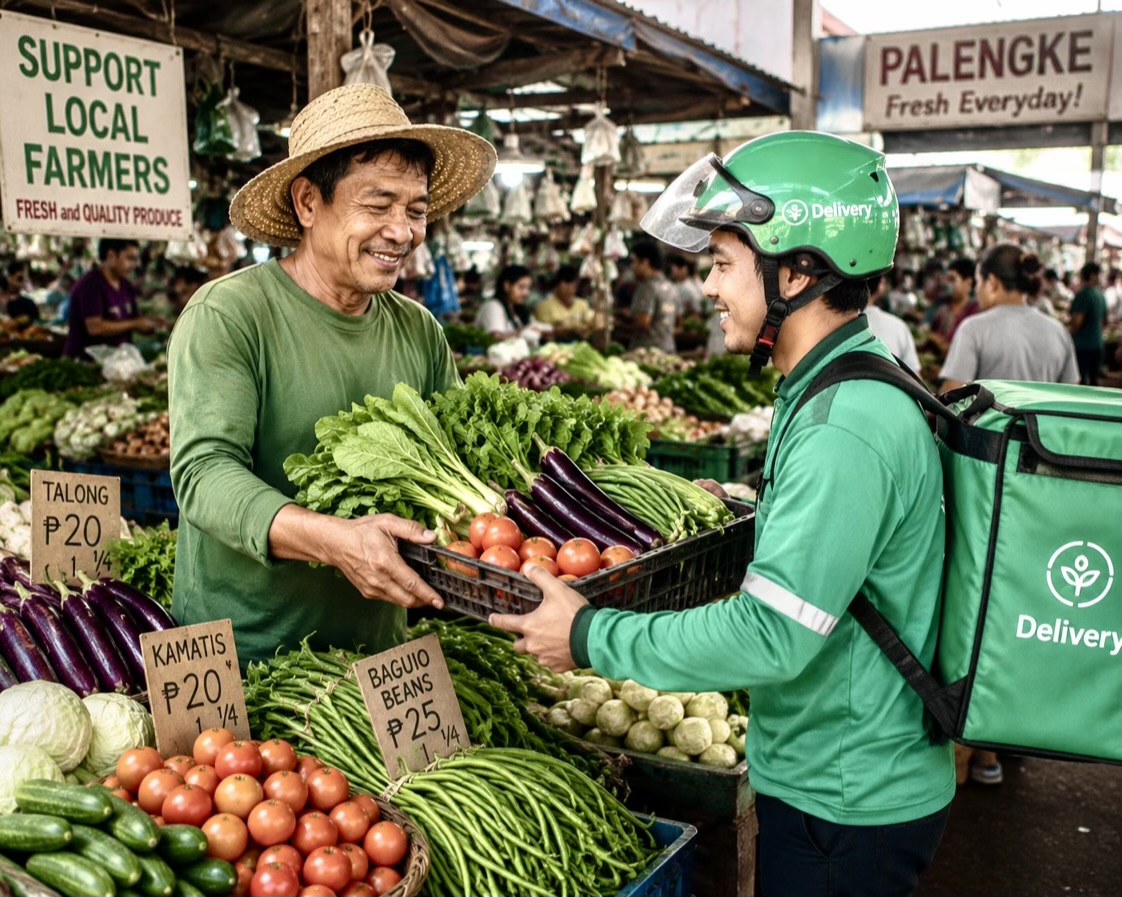
Many platforms now assist first-time sellers in creating listings, uploading product information, and connecting with prospective customers. Some even provide support for bulk transactions and logistics coordination, helping bridge the gap between production and delivery.
FarmyHub and the Rise of Digital Agriculture
Among the platforms helping drive this transformation is FarmyHub, an online agricultural marketplace designed to connect Filipino farmers, growers, and agribusinesses with buyers nationwide.
The platform offers a wide range of agricultural categories, including fresh fruits and vegetables, livestock, eggs, seeds, plants, fertilizers, animal feed, farm equipment, and agricultural properties. Sellers from different regions can list products, while buyers can browse available options and communicate directly with suppliers.
FarmyHub also supports larger sourcing requirements through bulk-order coordination, helping businesses connect with sellers that match their specific needs. This approach combines the convenience of a self-service marketplace with additional support for buyers seeking high-volume transactions.
Beyond the marketplace itself, the platform leverages social media to increase product visibility, creating additional opportunities for sellers to reach prospective customers and expand their market presence.
Building a More Connected Food Economy
The emergence of online agricultural marketplaces does not signal the end of traditional markets. Public markets, supermarkets, and neighborhood stores continue to play an essential role in the Philippine food system.
Instead, digital platforms are adding another layer to the agricultural supply chain—one that emphasizes accessibility, transparency, and direct engagement.
As technology becomes more deeply integrated into agriculture, farmers gain new avenues to market their products, while buyers enjoy greater flexibility in sourcing food and agricultural supplies.
This evolution reflects a broader movement toward digital transformation across industries, including one of the country’s oldest and most important sectors.
From household kitchens to commercial food operations, online agricultural marketplaces are helping reshape how Filipinos discover, source, and connect with the products that sustain everyday life. In doing so, they are creating a more connected agricultural ecosystem—one click at a time.



Loading…