
 Village Connect

What started as a temporary adjustment has now become a defining feature of modern living. Across the Philippines, remote and hybrid work are no longer exceptions—they are part of everyday reality. For many professionals, the home has transformed into more than just a place to rest. It is now where ideas are built, meetings happen, and productivity unfolds. But as this shift settles in, people are beginning to realize that working from home is only as effective as the environment that surrounds it.
In the early days, the appeal was simple: avoid traffic, save on fuel, and reclaim hours once lost to long commutes. In cities where congestion can easily consume a large part of the day, this change felt like a major upgrade. But over time, the conversation has evolved. It is no longer just about staying indoors—it is about how seamlessly daily life flows alongside work.

Because the truth is, working from home can become just as exhausting when everything else feels inconvenient. When meals require planning or delivery delays, when quick errands turn into long trips, or when stepping out for fresh air becomes a logistical effort, the supposed convenience begins to wear thin. The lines between work and life blur not because they are integrated, but because they are poorly supported.
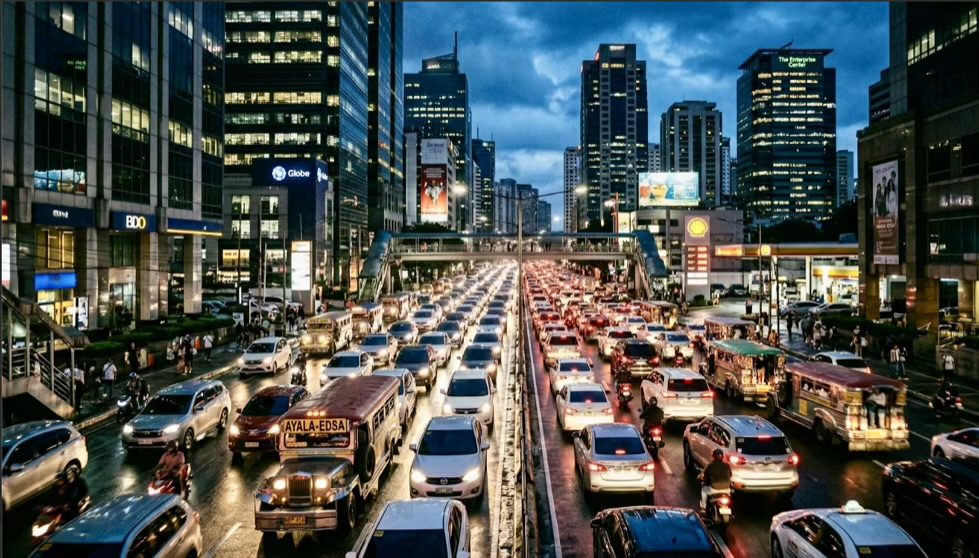
This is where a more thoughtful approach to living is quietly gaining attention—one that focuses not only on the home itself, but on everything around it. Imagine a day where stepping out for coffee between meetings takes only a few minutes. Where groceries can be picked up without planning an entire trip. Where a short walk outdoors offers a quick reset without disrupting your schedule. In this kind of setup, life doesn’t pause for work, and work doesn’t interrupt life—they move together with ease.
The idea of having everything within reach is becoming less of a luxury and more of a practical solution. It reduces the small but constant frictions that build up throughout the day. Time once spent in transit can now be used more meaningfully. Expenses tied to transportation, delivery, and last-minute needs are minimized. Even the mental load of planning daily tasks becomes lighter.
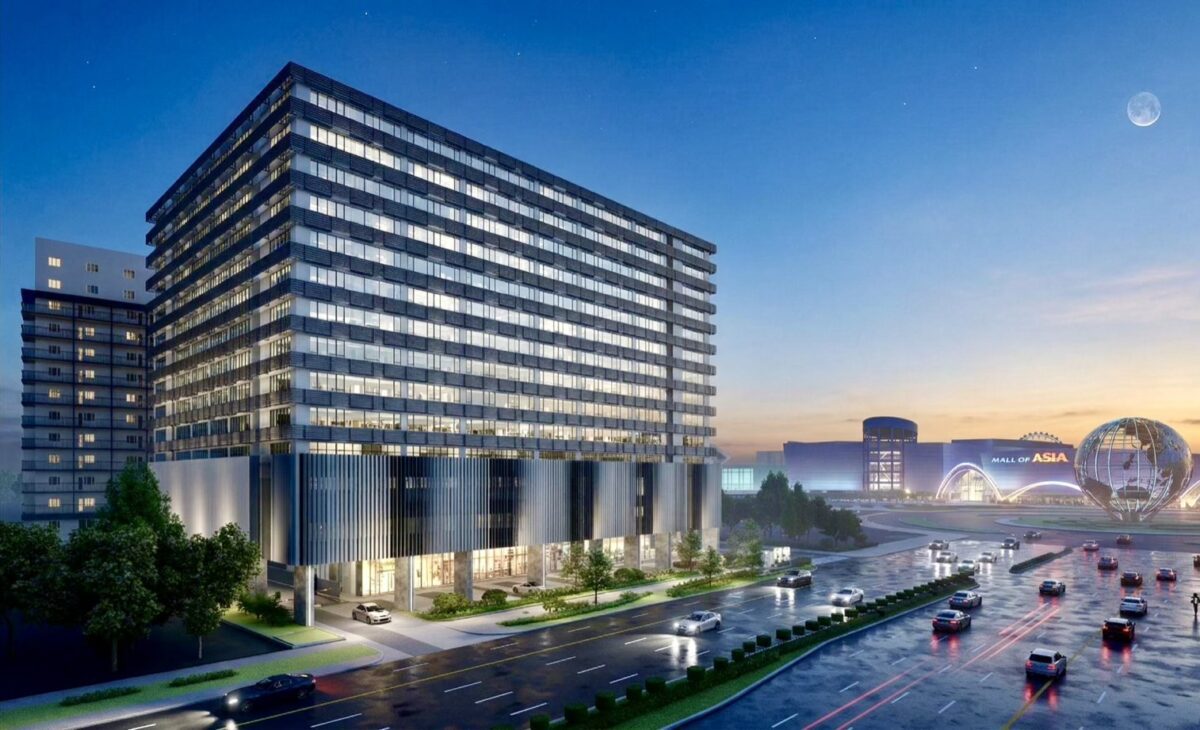
This is where developments by SM Development Corporation, or SMDC, offer a clear advantage. Their ready-for-occupancy communities are designed within established environments—often integrated with retail, dining, and essential services. Instead of waiting for a neighborhood to develop over time, residents step into a space that is already functional from day one.
In these communities, daily essentials are not an afterthought. Supermarkets, restaurants, pharmacies, banks, and wellness spaces are all within close proximity. Leisure areas and open spaces are also part of the environment, allowing residents to take breaks without leaving the vicinity. This kind of accessibility reshapes how a day unfolds, turning what used to be time-consuming tasks into quick, effortless routines.
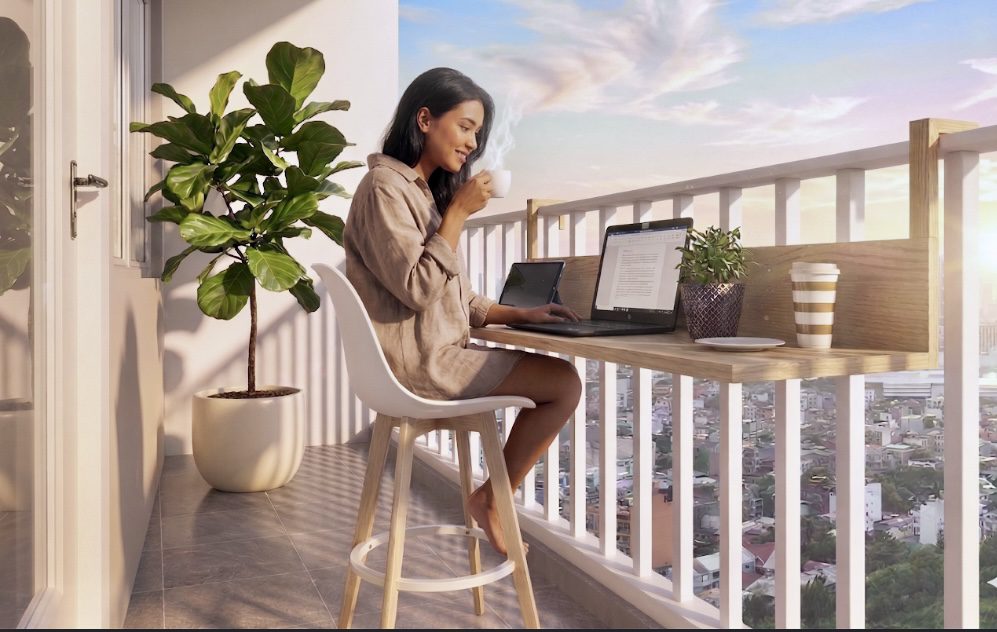
It also reflects a growing shift in how people define value in a home. Today, it is not just about square footage or location on a map. It is about how well a space supports real, everyday living. Buyers are increasingly drawn to homes that offer immediate usability—spaces where they can move in and instantly experience the benefits of a well-connected lifestyle.
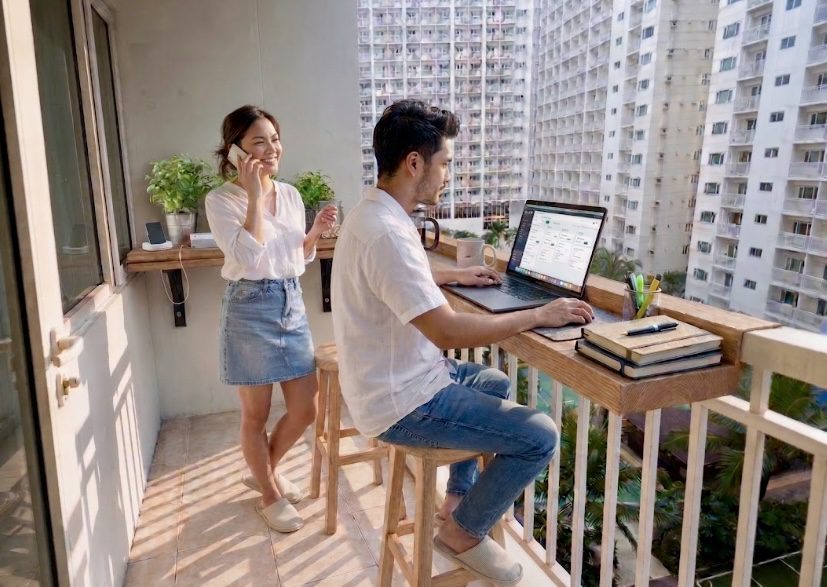
As work continues to evolve, so does the idea of what makes a home truly work. For many Filipinos, the answer is becoming clear: it is not just about having a place to work from, but about living in a space where everything else falls into place.
In the end, the most effective setup is not one that keeps you inside, but one that gives you the freedom to move through your day with ease—where work, life, and everything in between are always within reach.


Loading…