 Village Connect
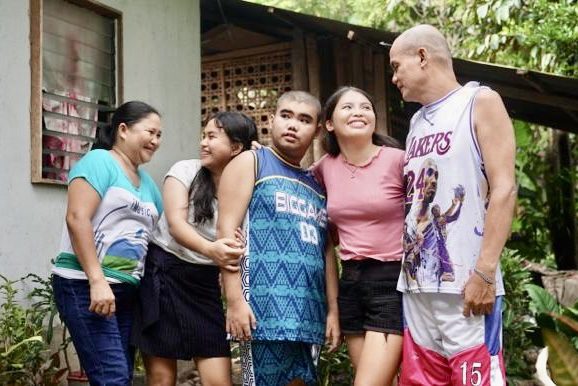
Across the Philippines, the meaning of social good is steadily transforming. Communities are no longer satisfied with programs that provide temporary relief; they are looking for change that endures—change that strengthens their ability to move forward long after assistance has been given. In this evolving landscape, Corporate Social Responsibility (CSR) remains vital, yet its purpose must deepen. Rather than short-lived interventions, CSR must help build systems that empower individuals, families, and communities to shape their own futures.
At the heart of this shift is a renewed focus on sustainability, credibility, and relevance. These qualities are not achieved through intention alone, but through thoughtful program design, responsible implementation, honest communication, and a long-term commitment to outcomes that truly matter.

One of the clearest lessons in social development is that poverty cannot be solved in isolation. Real progress requires pathways—clear, connected opportunities that allow people to rise beyond immediate hardship. Education has long served as one of the most powerful of these pathways. Yet access alone is not enough. Scholarships must support students through completion, ensuring they reach graduation and the opportunities that follow. When one student finishes school, the impact often extends beyond the individual, opening doors for an entire household and gradually breaking cycles of poverty.
This impact grows even stronger when education connects directly to employment. Programs that combine financial support with job readiness and career opportunities transform learning into livelihood. In doing so, they reflect a broader evolution in social good—from offering help to creating measurable, life-changing results.
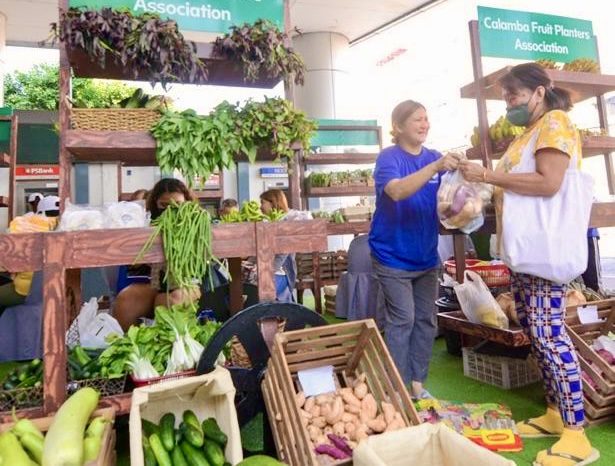
Sustainability also depends on strengthening livelihoods through connected systems. For farmers, hard work and productivity mean little without reliable access to markets. Initiatives that link producers directly with buyers stabilize incomes, reduce waste, and energize local economies. By repairing broken connections rather than building temporary alternatives, social good efforts move communities from subsistence toward resilience.
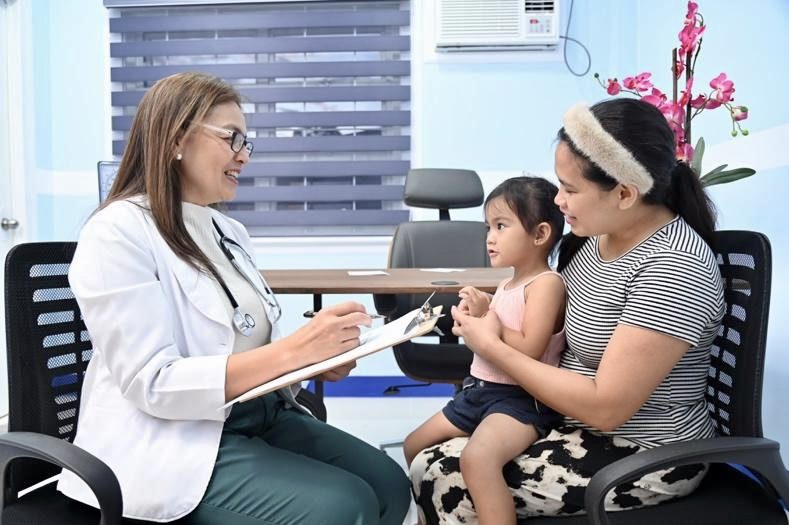
Healthcare presents a similar challenge. While building or restoring facilities is important, long-term impact depends on whether services continue after initial support ends. Securing accreditation within the national health system allows community health centers to provide affordable, ongoing care. When healthcare programs are integrated into public structures, they evolve from projects into institutions—trusted spaces that communities can depend on for years to come.
Education infrastructure tells a parallel story. Classrooms and school buildings are more than concrete and steel; they are visible promises to future generations. Safe, adequate learning spaces reduce overcrowding, improve teaching conditions, and restore dignity to students in underserved areas. Their greatest value emerges when they are planned in partnership with education authorities, becoming part of a wider ecosystem that supports meaningful learning rather than standing as isolated contributions.
True sustainability begins with shared responsibility. Social good lasts longer when communities are not passive recipients but active partners. Consultation ensures programs respond to genuine needs. Engaging parents strengthens support for scholars. Collaboration with government aligns initiatives with national priorities and secures continuity beyond any single organization’s timeline. Through partnership, social good becomes something communities help build—and therefore help sustain.

In today’s connected world, communication plays a powerful role in this process. Social media has transformed how stories of impact are shared, allowing them to travel farther and invite wider participation. When used with care and authenticity, communication does more than highlight achievements; it creates connection. Stories of students, farmers, health workers, and families affirm dignity, inspire collaboration, and encourage others to take part in meaningful change. Social good becomes not only visible, but deeply human.
The private sector holds a unique capacity to think long term, operate at scale, and invest in durable solutions. When these strengths are guided by purpose, CSR becomes more than a corporate function—it becomes a pillar of nation-building. The future will favor initiatives that are disciplined, collaborative, and designed to last. It will reward organizations that value outcomes over appearances and partnerships over ownership.

As the country’s challenges continue to evolve, so too must the pursuit of social good. Progress will not come from doing more for communities, but from working better with them—guided by purpose, strengthened by trust, and sustained through shared responsibility. In this way, social good in the Philippines can continue to grow into something enduring, inclusive, and worthy of the hopes it seeks to fulfill.
By Debbie Sy
Executive Director of SM Foundation.



Loading…